Oak tree species, varieties and features
Oak is not one tree, but a whole genus of oak, which includes more than500 speciesHowever, only a few dozen are of great importance for forests, parks and reforestation.
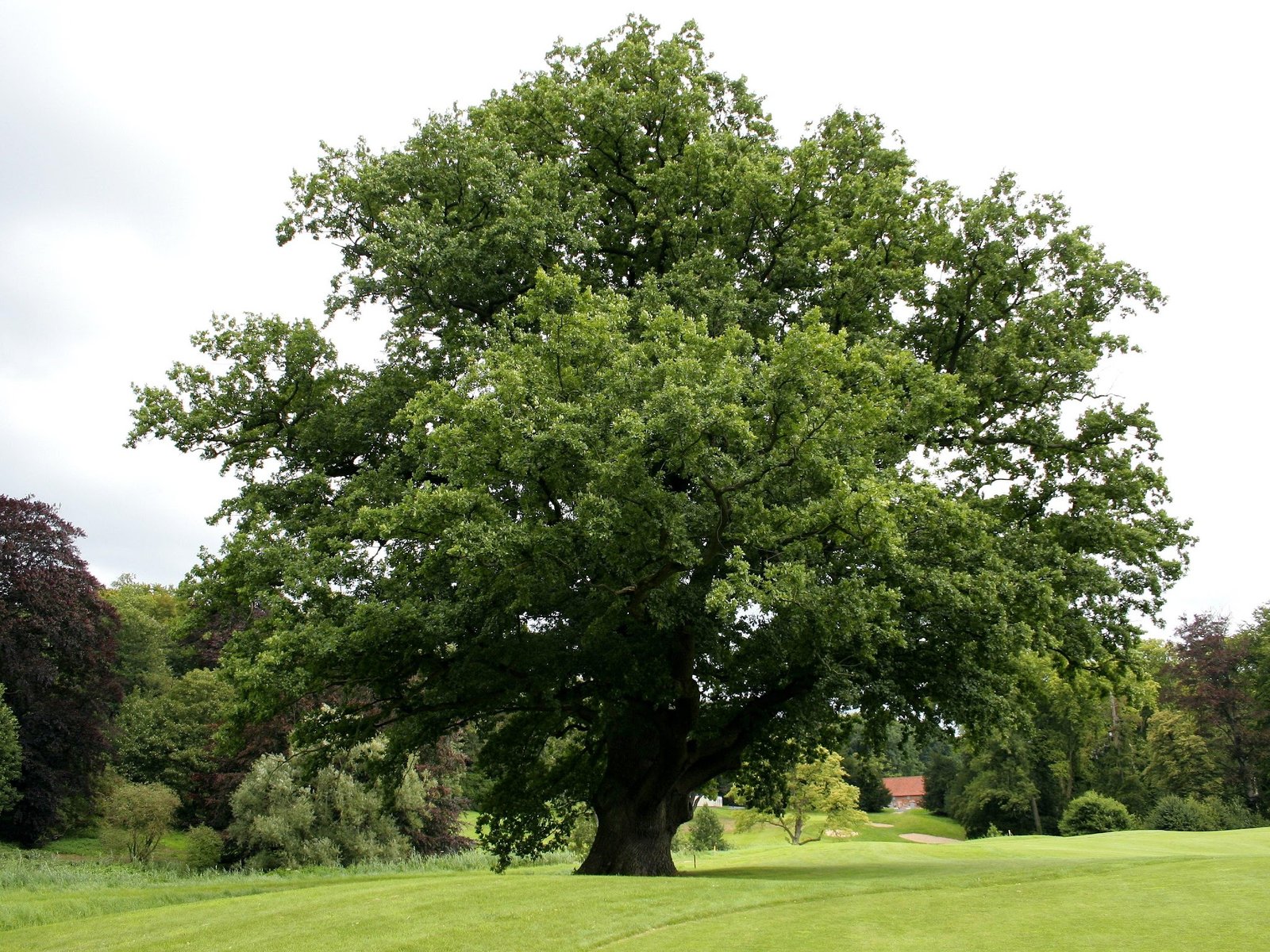
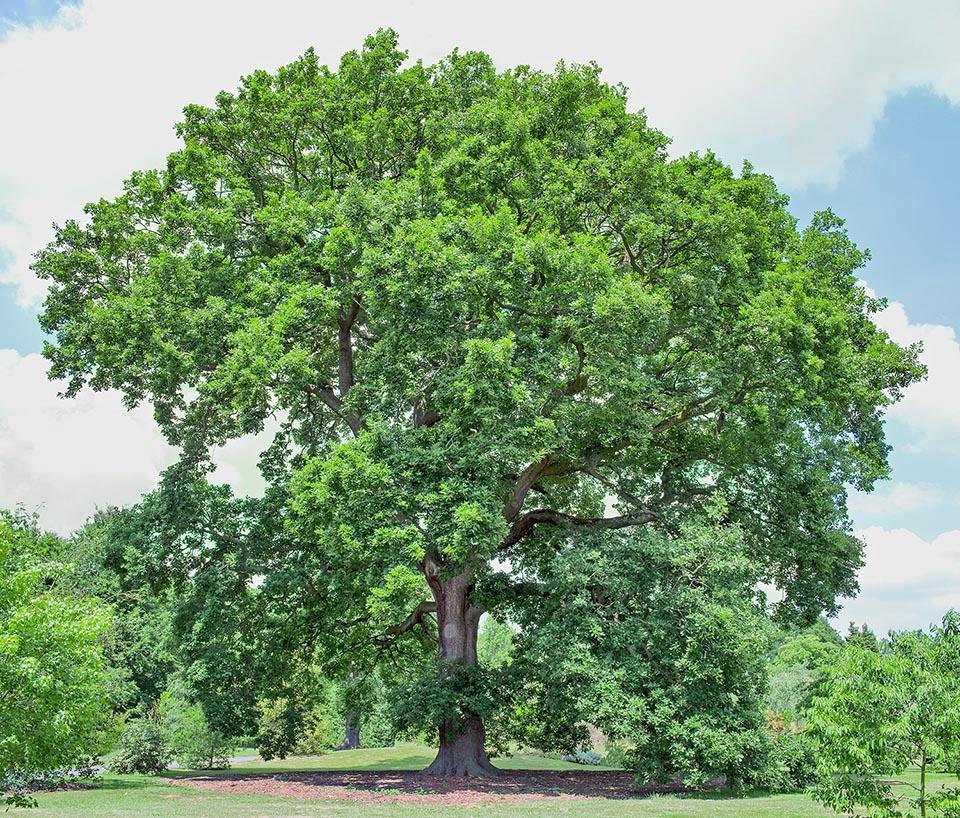
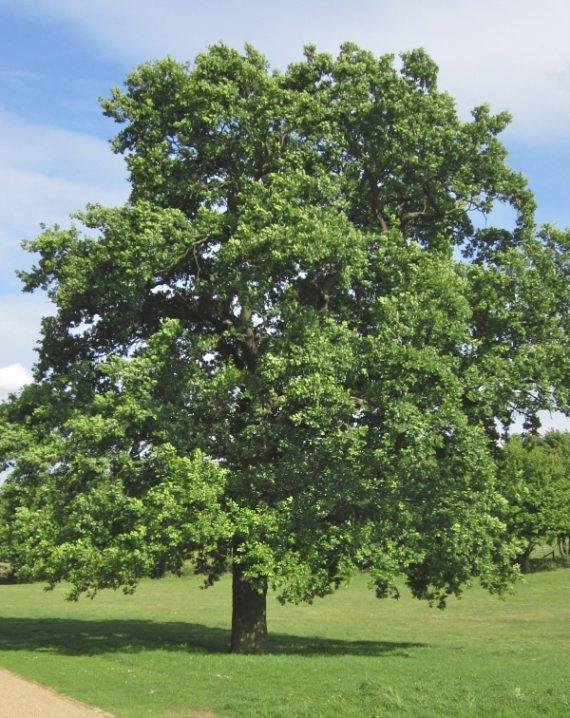
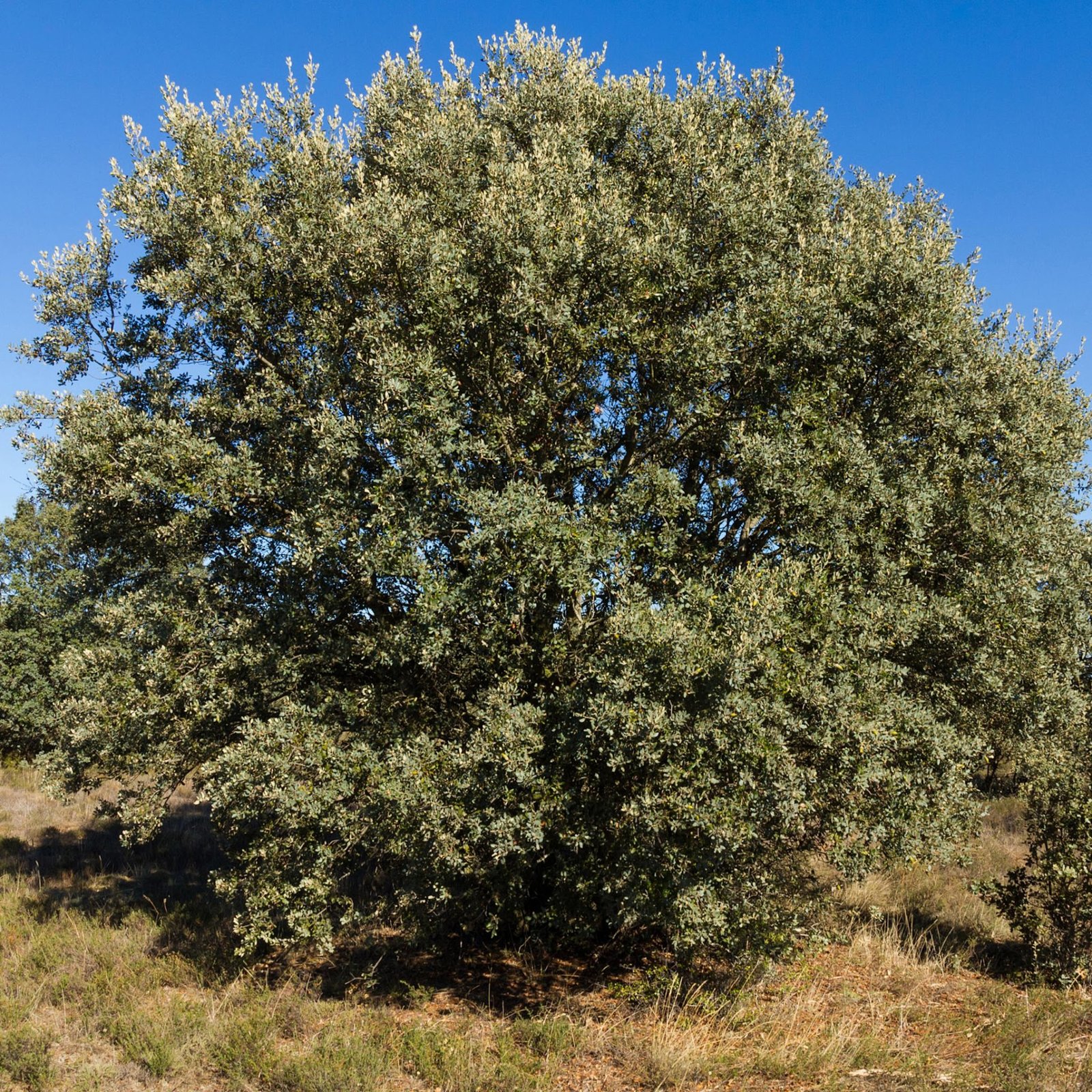
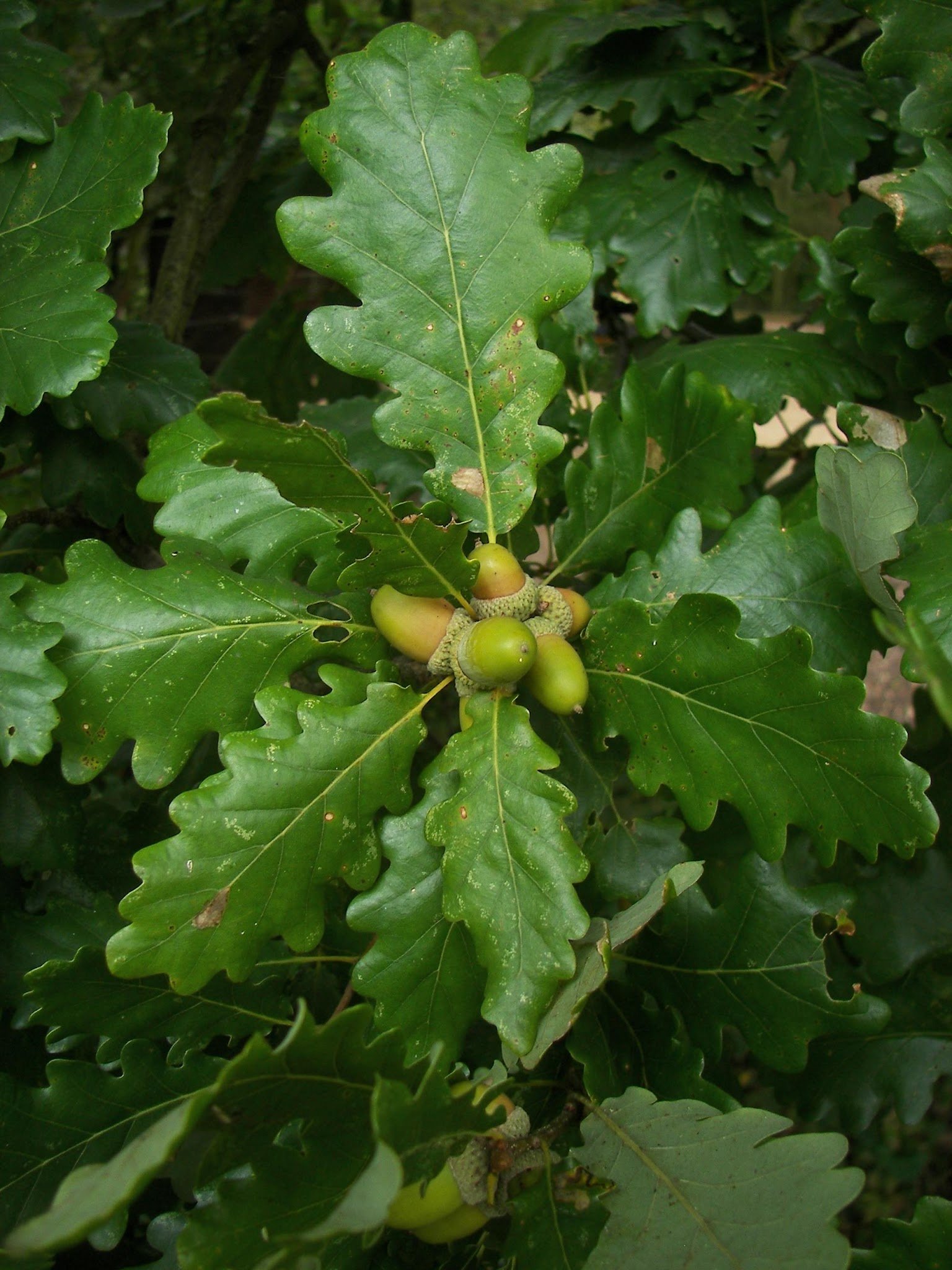
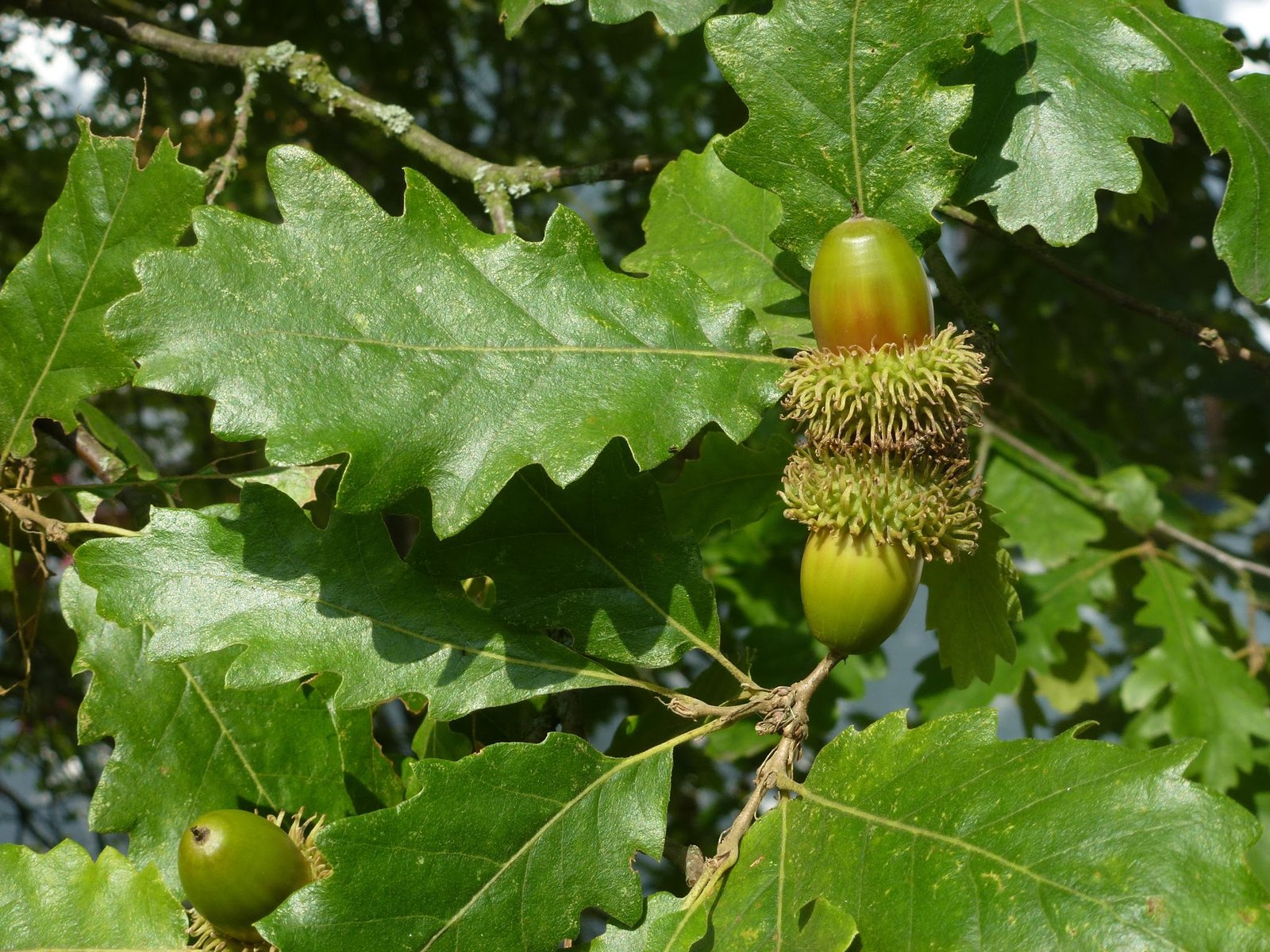
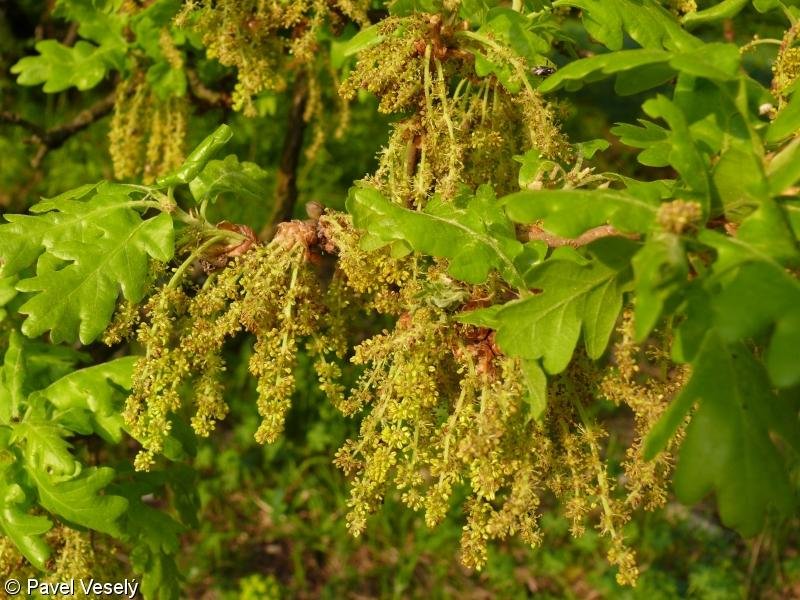
1. English oak (Quercus robur) ⭐⭐⭐⭐⭐
The main tree of Europe.
Life expectancy:500–1000+ years
Height: 30–45 m
Roots: very deep
Tolerates frost well
One of the key species for biodiversity conservation
Advantages:
supports a huge number of insects, fungi, birds and mammals;
very durable wood;
tolerates periodic flooding well.
It is the best choice for most regions of Central and Eastern Europe.
2. Sessile oak (Quercus petraea) ⭐⭐⭐⭐⭐
A close relative of the petiolate.
Peculiarities:
prefers drier and rockier soils;
tolerates drought well;
grows a little slower.
Suitable for hills and slopes.
3. Downy oak (Quercus pubescens) ⭐⭐⭐⭐☆
Very drought-resistant.
Peculiarities:
tolerates hot climate;
grows on poor soils;
feels good in Southern Europe.
Suitable for regions where increased summer heat is expected.
4. Turkish oak (Quercus cerris) ⭐⭐⭐⭐☆
A fast growing species.
Pros:
quickly gains altitude;
tolerates heat well;
suitable for restoration of degraded lands.
Minus:
supports fewer native species than native European oaks.
5. Holm oak (Quercus ilex)
Evergreen oak of the Mediterranean.
Peculiarities:
retains leaves all year round;
tolerates drought and salty sea air well;
Suitable for coastal areas of the Mediterranean.
6. Cork oak (Quercus suber)
The most famous oak tree in southern Europe.
Peculiarities:
forms a thick corky bark;
withstands fires better than many other trees;
The bark is removed periodically without killing the tree.
This is the basis of the cork industry.
7. Red oak (Quercus rubra)
Native to North America.
Pros:
grows very quickly;
beautiful autumn colours;
resistant to urban conditions.
Cons:
in some European countries it is considered potentially invasive;
supports fewer native species than European oaks.
If you evaluate it by durability
| View | Maximum age |
|---|---|
| Petiolate | 1000–1200+ years |
| Rocky | 800–1000 years |
| Stone | 800–1000 years |
| Suberic | 300–500 years |
| Fluffy | 400–600 years |
| Turkish | 250–400 years |
| Red | 250–400 years |
If we evaluate it based on the benefits for nature
| Place | View | Ecological value |
|---|---|---|
| 🥇 | Petiolate | Maximum |
| 🥈 | Rocky | Very high |
| 🥉 | Fluffy | High |
| 4 | Stone | Very important for the Mediterranean |
| 5 | Suberic | High, especially in Mediterranean ecosystems |
| 6 | Turkish | Medium-high |
| 7 | Red | Lower for European ecosystems due to foreign origin |
Looking at the forests of the future
For long-term plantings in Central Europe (including Switzerland) it is increasingly recommendeddon't rely on one type of oak, and combine:
pedunculate oak- on deeper and wetter soils;
sessile oak- on dry slopes and hills;
in warmer places you can add it graduallydowny oak.
This approach makes the forest more resilient to drought, new diseases and climate change than planting a single species.