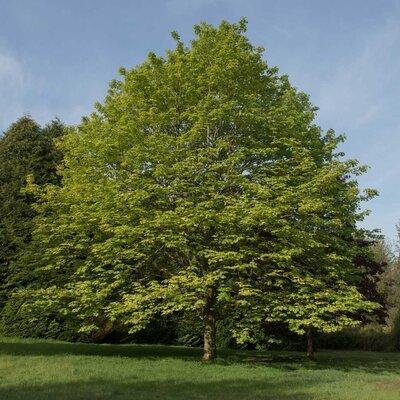
A smart landing scheme
For a long-lasting mixed forest, ash should not be the dominant tree in the entire area. It is better to include it asfunctional component:
oaks — 25–40%;
linden - 10-15%;
maples — 5–12%;
hornbeam — 5–12%;
ash trees of all suitable species - usually5–12%;
Elm, cherry, birch, rowan, alder and other local species make up the remaining share.
Within the ash tree's share, one can focus on microzones:
| Plot | Preferred ash |
|---|---|
| Deep, fresh, fertile soil | F. excelsior |
| River terrace without permanent swamp | F. excelsior or F. angustifolia |
| A warm valley with summer drought | F. angustifolia |
| Dry limestone slope | F. ornus |
| Urban hot spot | F. ornus; regionally tested forms of F. angustifolia |
| Cold, swampy place | Local alder and willow are better; North American F. nigra is not ecologically viable in Europe |
| Salty sea coast | Ash should not be the first line; tamarisk, native willows, shrubs and other salt-tolerant species are needed. |
The main conclusion:For Europe, the most valuable is localcommon ash, but today it should be planted carefully, in small mixed groups and with maximum genetic diversity. For dry, warm areas, it is most practicalmanna ash, and for the southern river valleys -narrow-leavedCreating a large monoculture of any ash tree is a strategic mistake.
Ash is one of those trees that truly plays a special role in the forest ecosystem. Its significance is linked not only to mythology but also to very real biological properties.
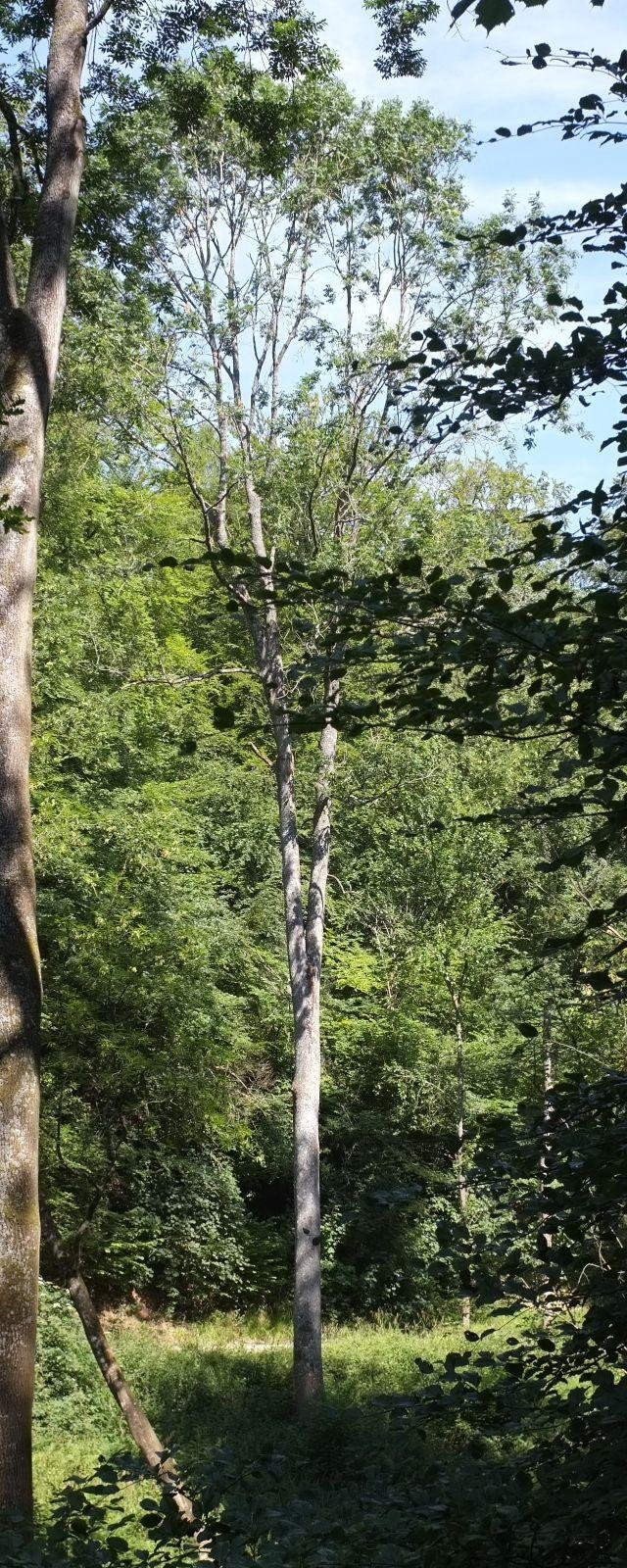
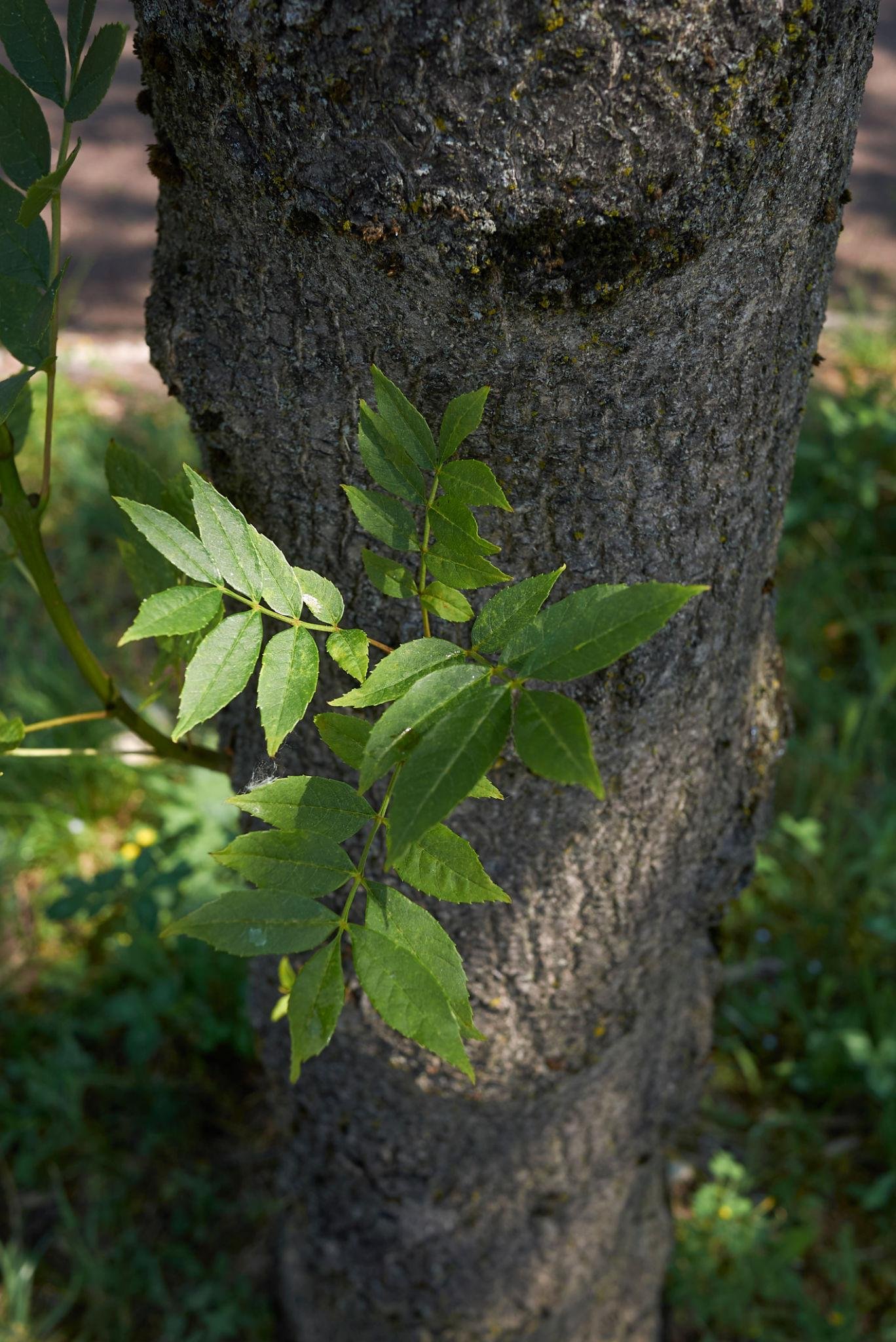
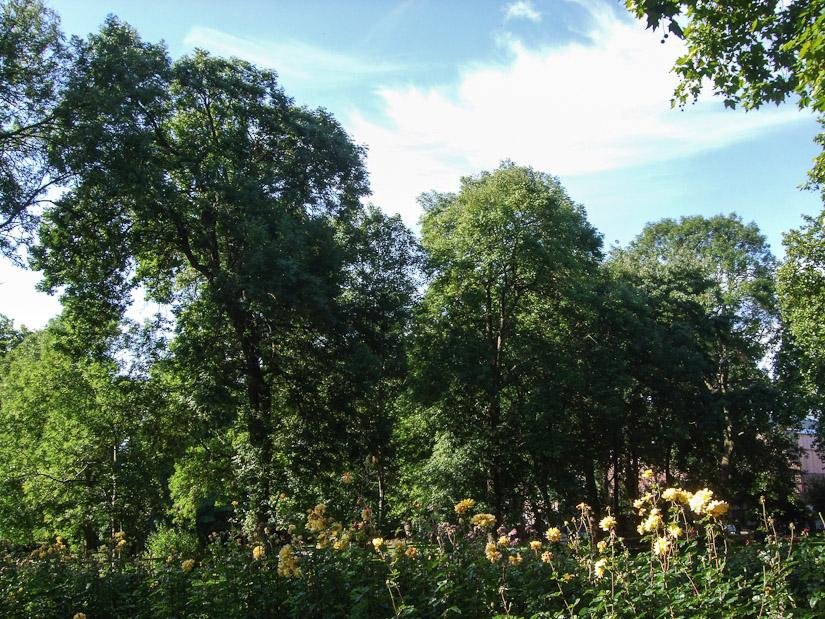
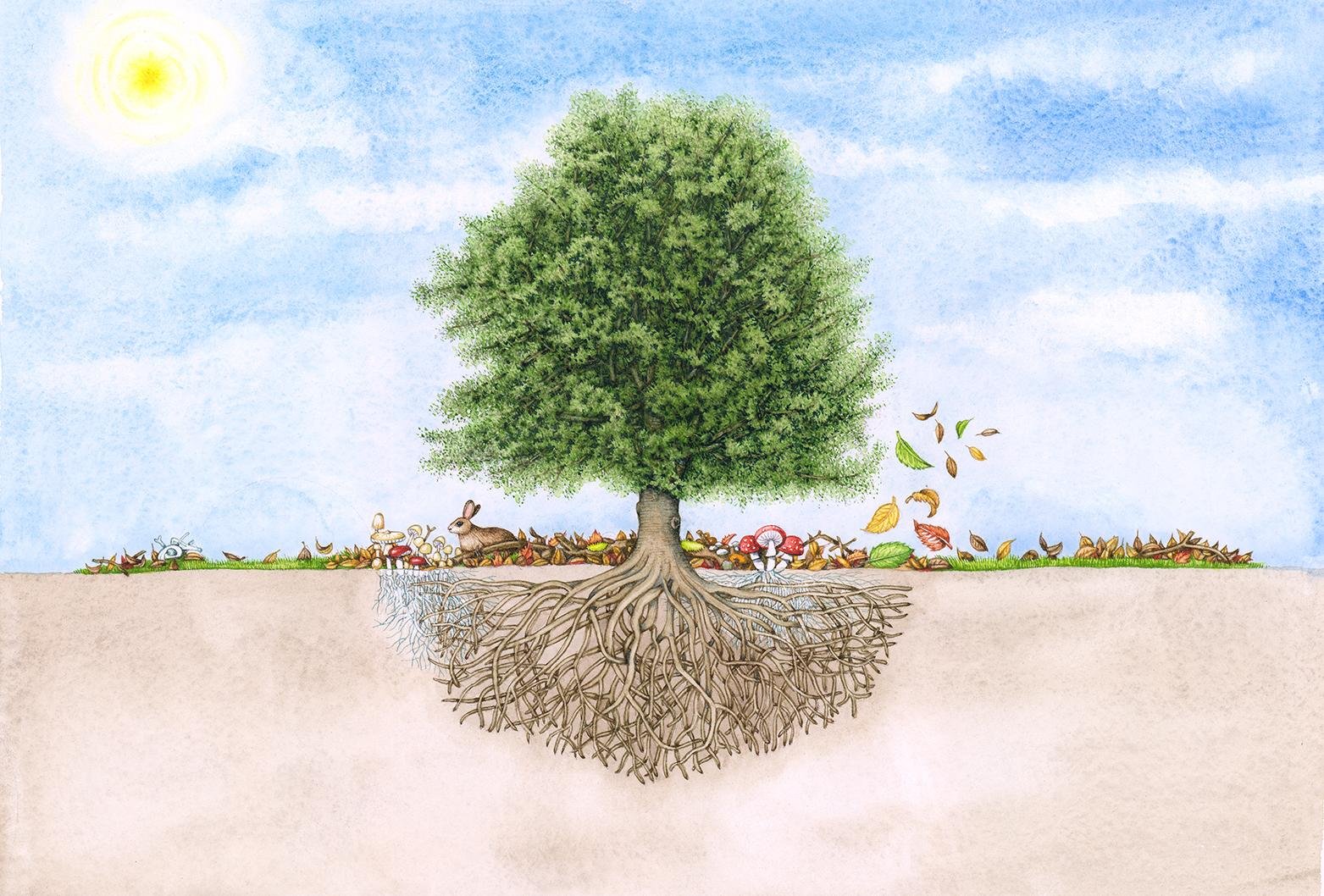
Why was the ash tree so revered?
In many Indo-European peoples, the ash tree was considered a symbol of the connection between worlds.
Among the Scandinavians, the world tree Yggdrasil was often described as an ash tree.
Among the Slavs, ash was associated with strength, protection, family and longevity.
The Celts considered it a tree of wisdom, rebirth and vital energy.
The reason for this is probably not accidental: the ash tree is a tall, long-lived tree with a powerful root system that outlives many generations of people.
What kind of ecosystem does the ash tree create?
Ash is a true "ecosystem engineer".
1. Light Forest
Unlike beech or spruce, the crown of ash lets in quite a lot of light.
Therefore, the following can grow under it:
herbs;
ferns;
forest flowers;
young bushes.
This type of forest is much richer in plant species.
2. Rich soil
Ash leaves contain a lot of calcium, potassium and other minerals.
They quickly rot, forming fertile humus.
Therefore, rich soil life is often observed near ash trees:
earthworms;
mushrooms;
bacteria;
a variety of invertebrates.
3. Support for animals
Ash provides food and shelter:
hundreds of species of insects;
birds;
protein;
bats;
mosses and lichens.
Old trees form hollows in which owls, woodpeckers and many other species settle.
4. Powerful root system
Roots:
strengthen the slopes;
reduce erosion;
retain moisture;
help other plants survive drought.
Connection with mushrooms
Ash actively forms mycorrhiza—a symbiosis of roots with fungi.
Through the mushroom network tree:
receives water;
receives minerals;
can participate in the exchange of substances with other plants through a common underground network.
Why is ash wood special?
She is simultaneously:
very durable;
elastic;
shock resistant.
That's why it was used for centuries to make:
spears;
meadows;
tool handles;
wheels;
sports equipment.
Why can ash be called the "tree of life"?
In one adult ash tree the following coexist simultaneously:
hundreds of species of microorganisms;
dozens of species of mushrooms;
hundreds of species of insects;
birds;
mammals;
epiphytic plants;
a rich community of soil organisms.
It creates not just shade, but an entire multi-level ecosystem with high biological productivity.
Could ash be the key tree in the DREVO project?
For Europe's temperate climate, yes. Thanks to its rapid growth, deep root system, fertile foliage, and ability to support rich biodiversity, ash is well suited for the restoration of mixed forests, the creation of forest parks, and agroforestry systems. However, many ash species are currently seriously affected by a disease known as ash dieback, so when establishing new stands, it is important to use resilient local populations and not plant ash as a monoculture, but combine it with oak, linden, maple, elm, and other native trees.
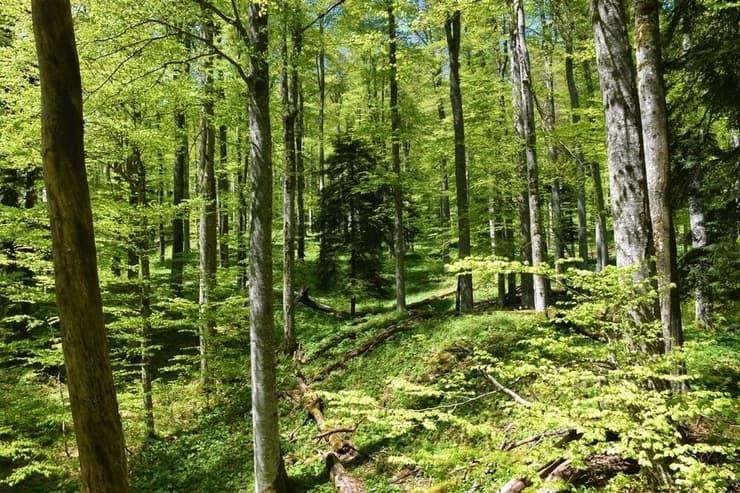
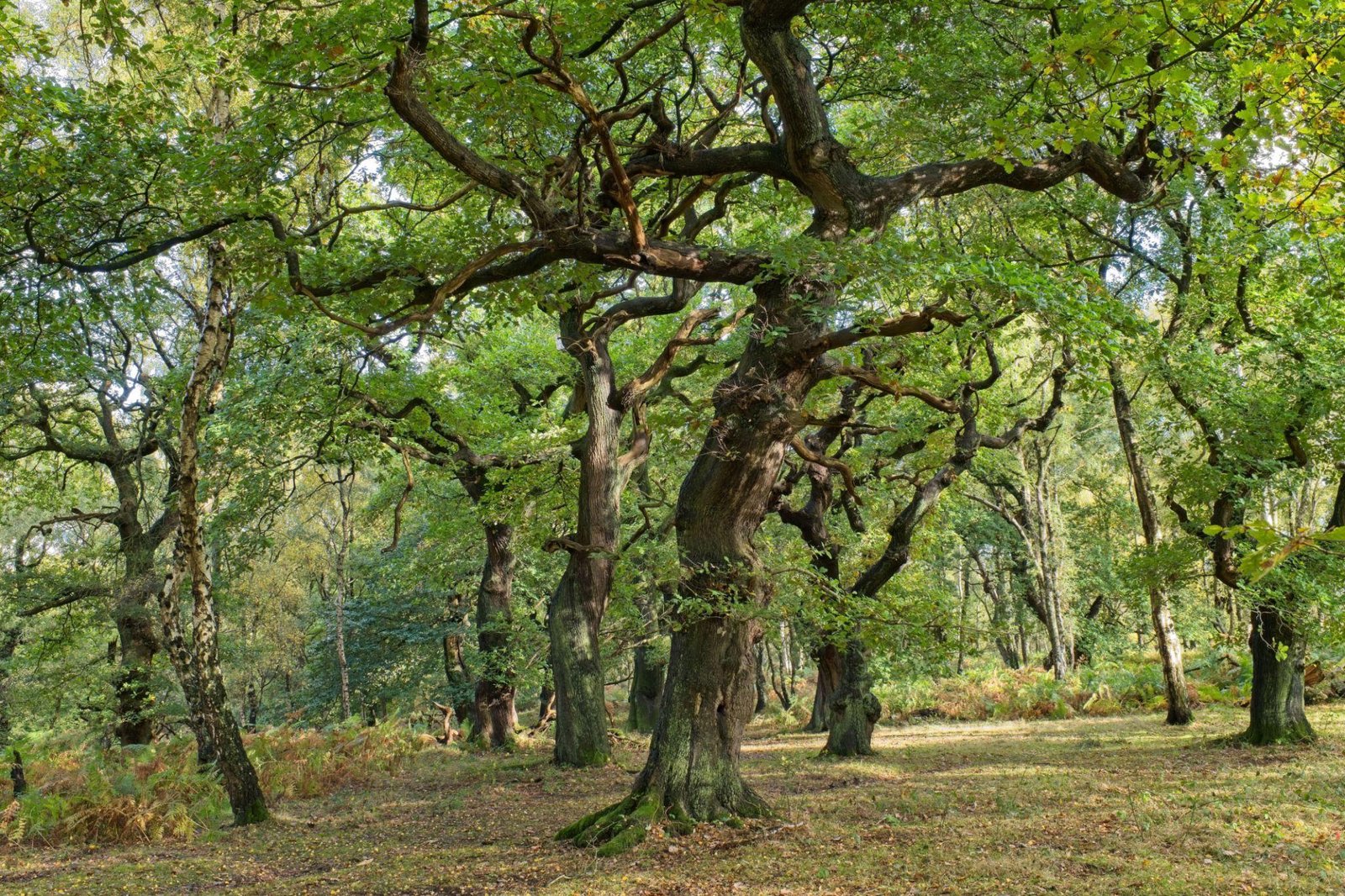
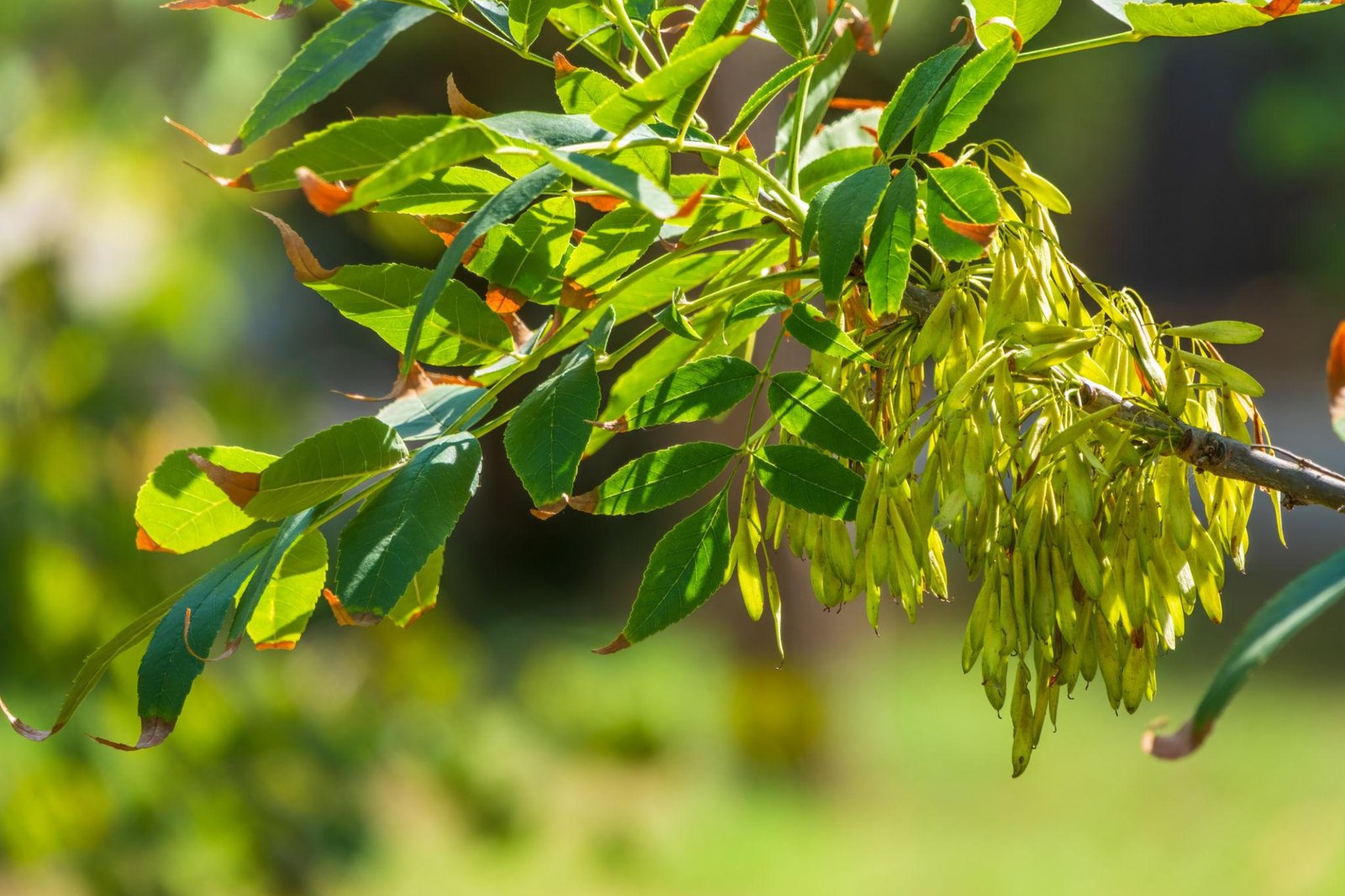
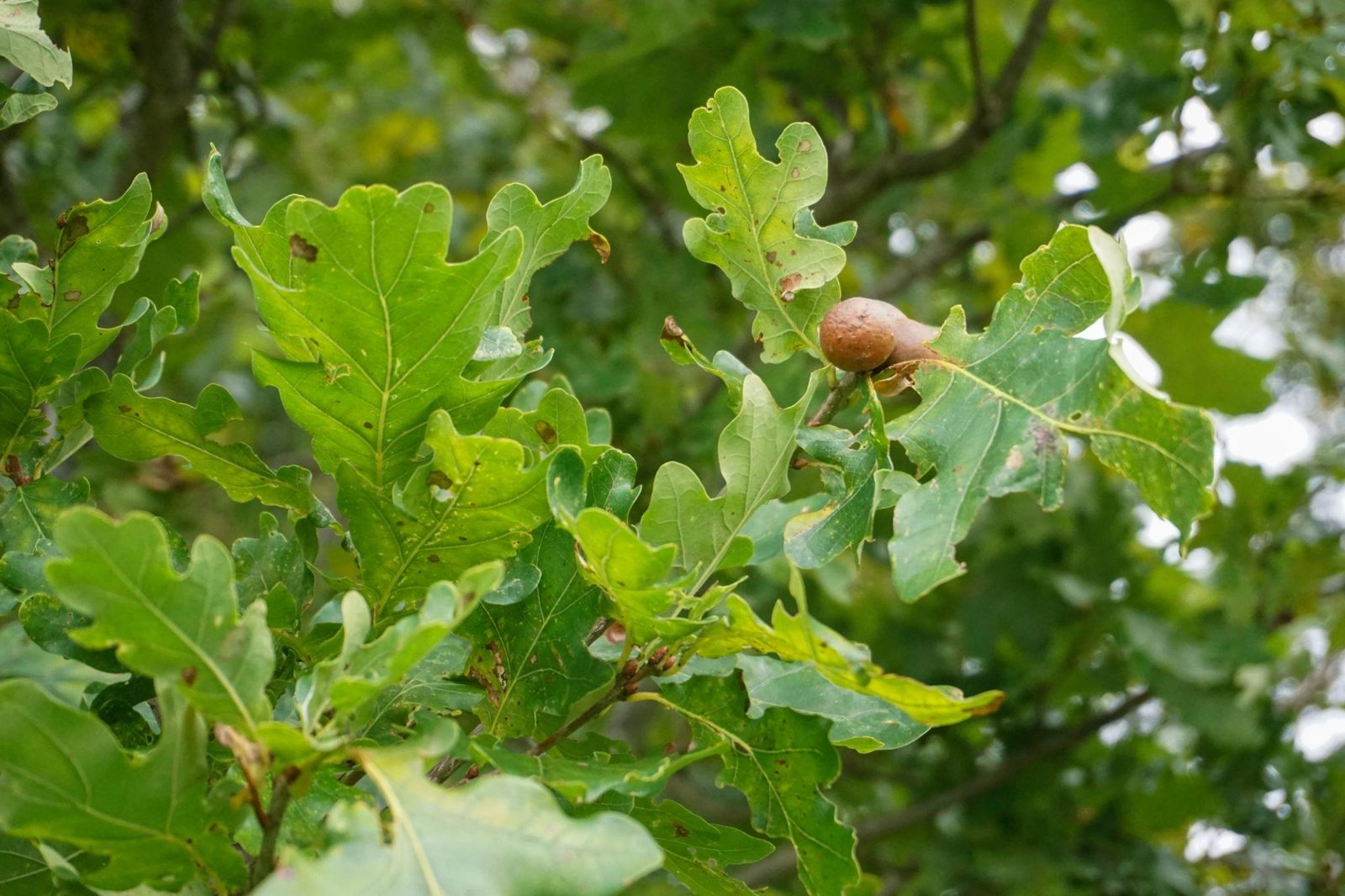
Ash and oak ecosystems
Ash and oak are two key trees in European forests, but they create different types of ecosystems. They are best viewed not as competitors, but as complementary species.
| Characteristic | Ash tree | Oak |
|---|---|---|
| Light under the crown | Very worldly | Significantly less light |
| Soil | Becomes rich and fluffy quickly | It gets richer more slowly, the litter decomposes longer |
| Height | Fast | Slow |
| Life expectancy | Usually 150–250 years (sometimes more) | Often 500–800 years old, individual trees over 1000 years old |
| The main role | Rapid restoration of fertility | Long-term "framework" of the ecosystem |
Ash ecosystem
Ash is a tree of a dynamic, "living" forest.
Below it is usually:
lots of herbs and wild flowers;
earthworms are actively working;
leaves decompose quickly;
the soil becomes soft and rich in nutrients.
Such a forest recovers more quickly after disturbances.
Oak ecosystem
Oak creates a completely different world.
Its features:
thick bark;
massive branches;
multiple dupel;
acorns as an important food source;
very long lifespan.
This is why oak forests support a huge variety of animals. According to European research, oaks are one of the most valuable trees for biodiversity and are associated with a very large number of species of insects, fungi, lichens, birds, and other organisms.
The main difference
Ash tree "feeds the earth" more.
Its leaves:
rich in calcium;
rich in potassium;
rot quickly;
accelerate the formation of humus.
The oak tree "feeds animals" more.
He gives:
acorns for wild boars, deer, squirrels and birds;
numerous shelters in old tree trunks;
stable environment for many centuries.
Influence of microclimate
Ash tree
lets in more sunlight;
warms up the soil faster in spring;
promotes the diversity of herbaceous plants.
Oak
creates a deep shadow;
better retains coolness and moisture in summer;
creates a more stable forest microclimate.
What is best for restoring nature?
The best option is to combine both types.
Their roles can be represented as follows:
ash tree- "accelerator": quickly improves the soil and helps the forest develop;
oak- "keeper": provides longevity, stability and shelter for many species.
Therefore, in the natural mixed forests of Europe, these trees often grow together, creating an ecosystem that simultaneously develops rapidly and remains stable for centuries.
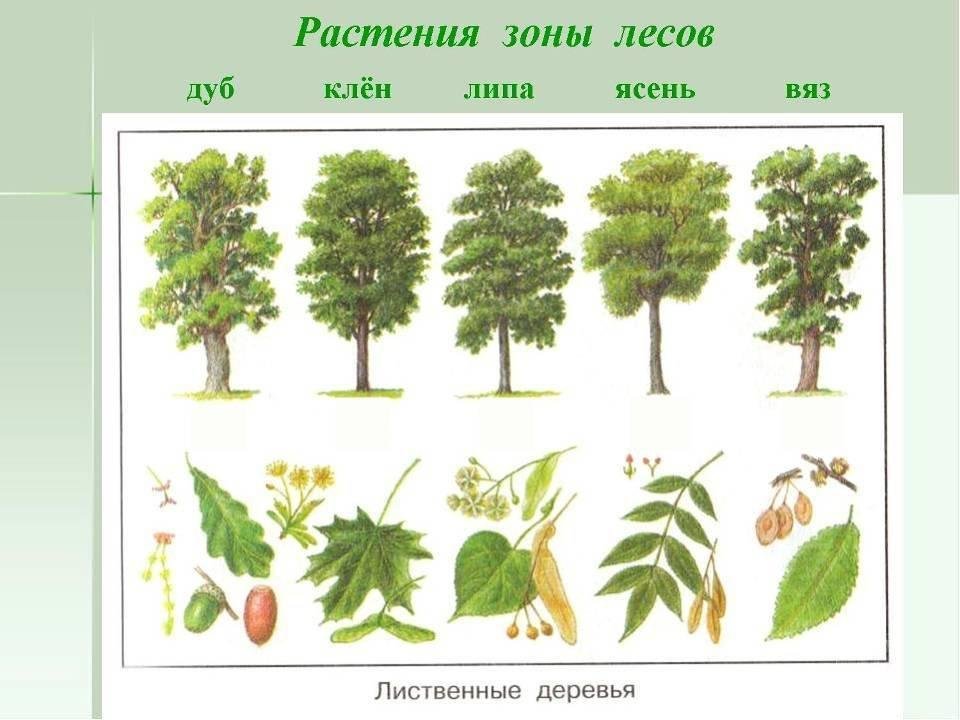
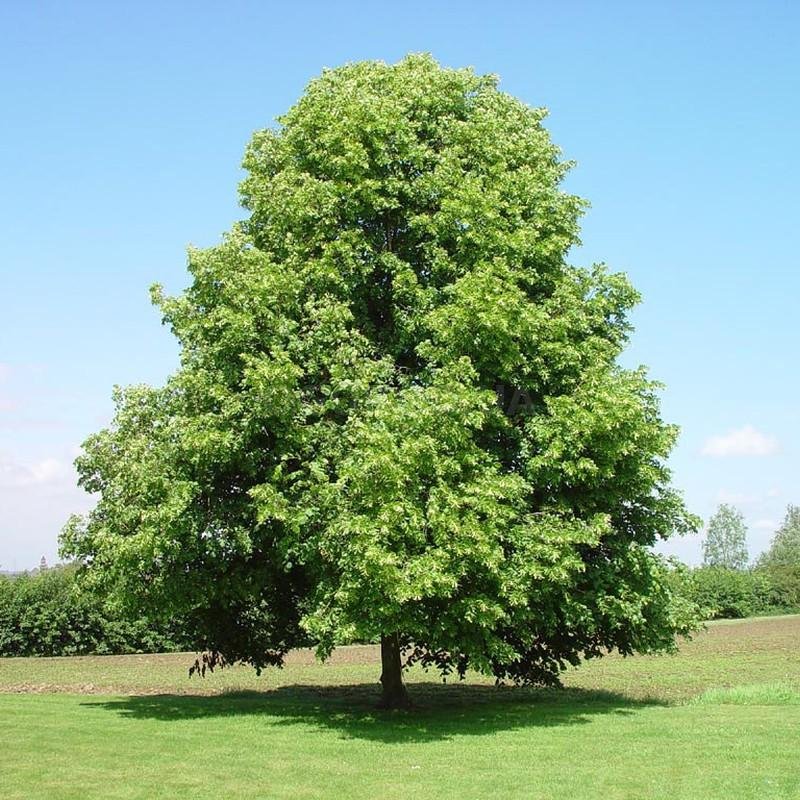
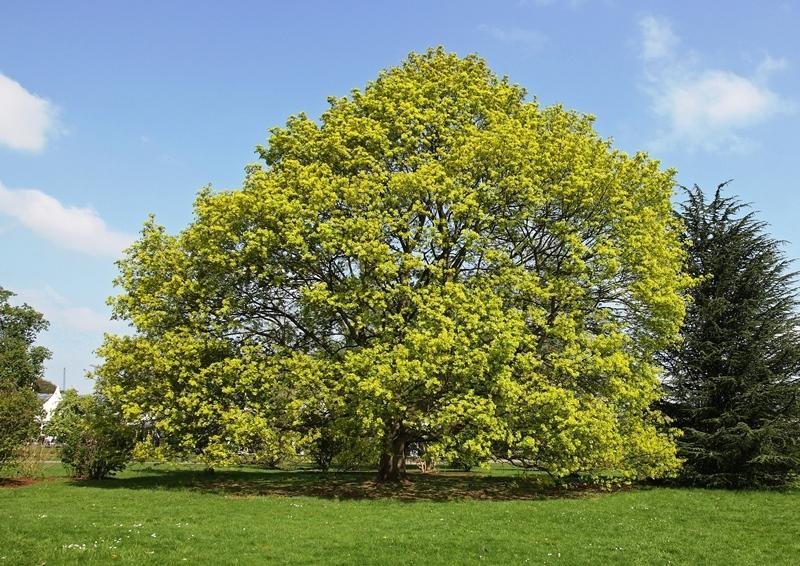
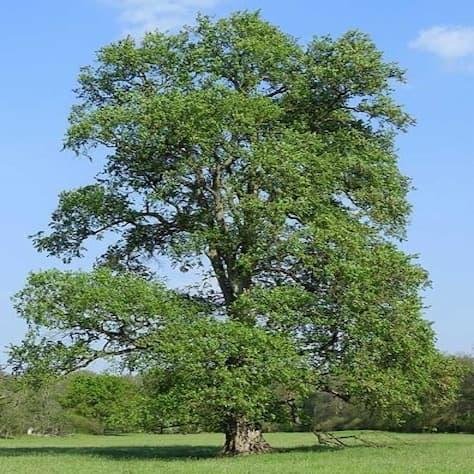
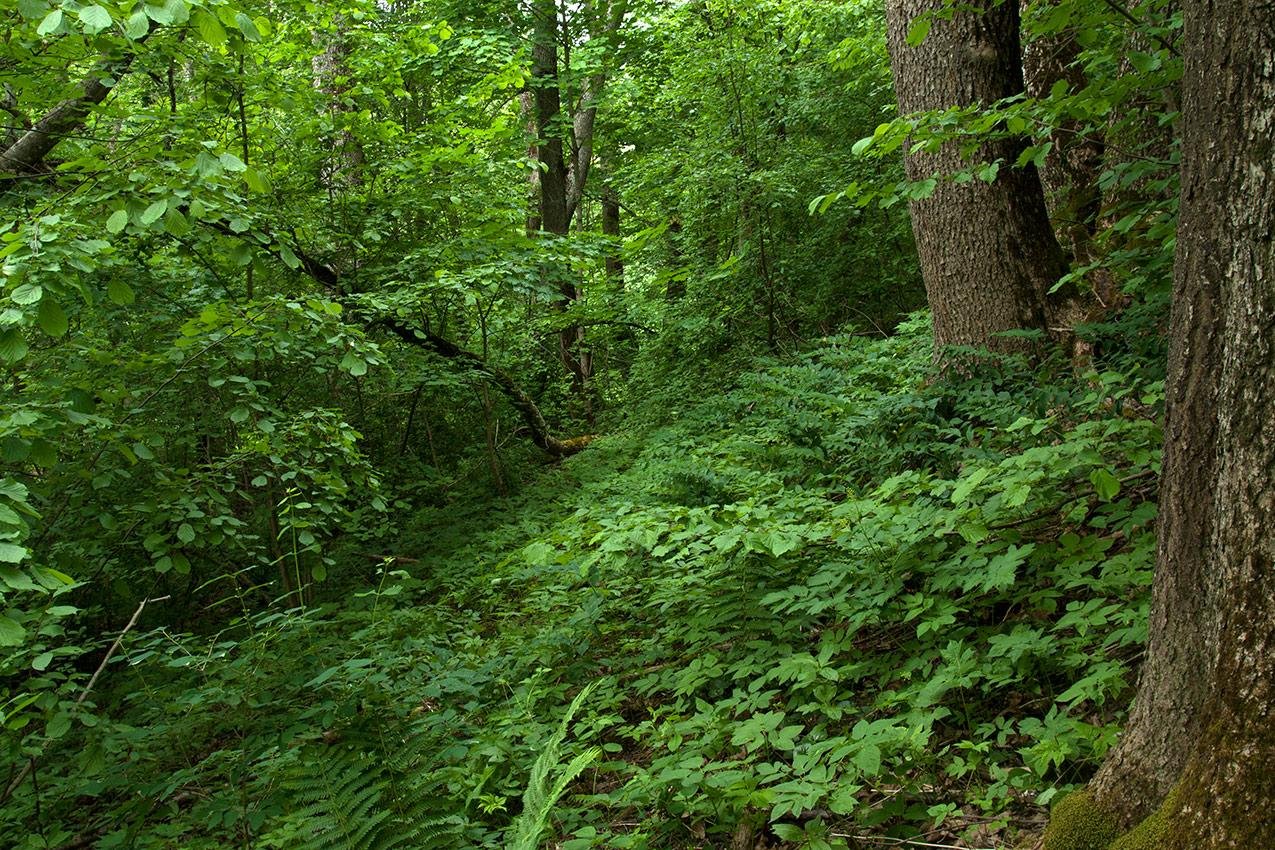
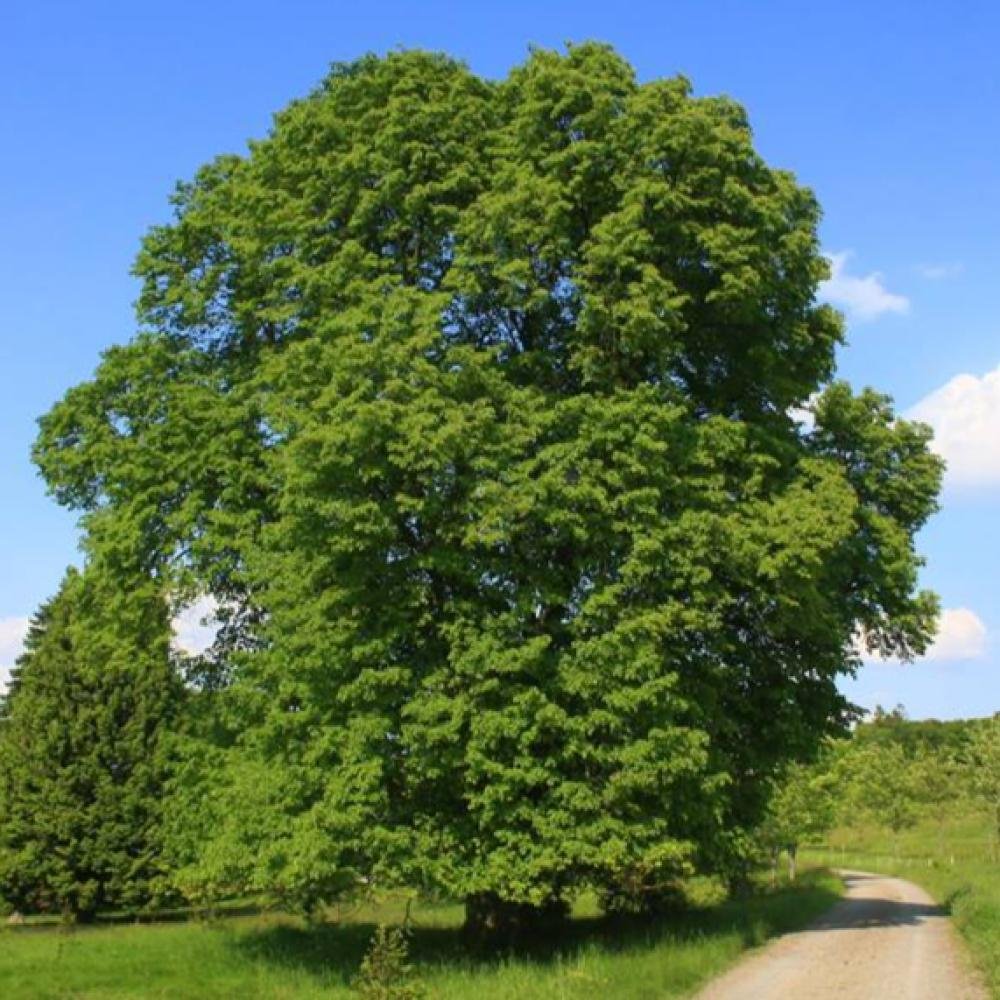
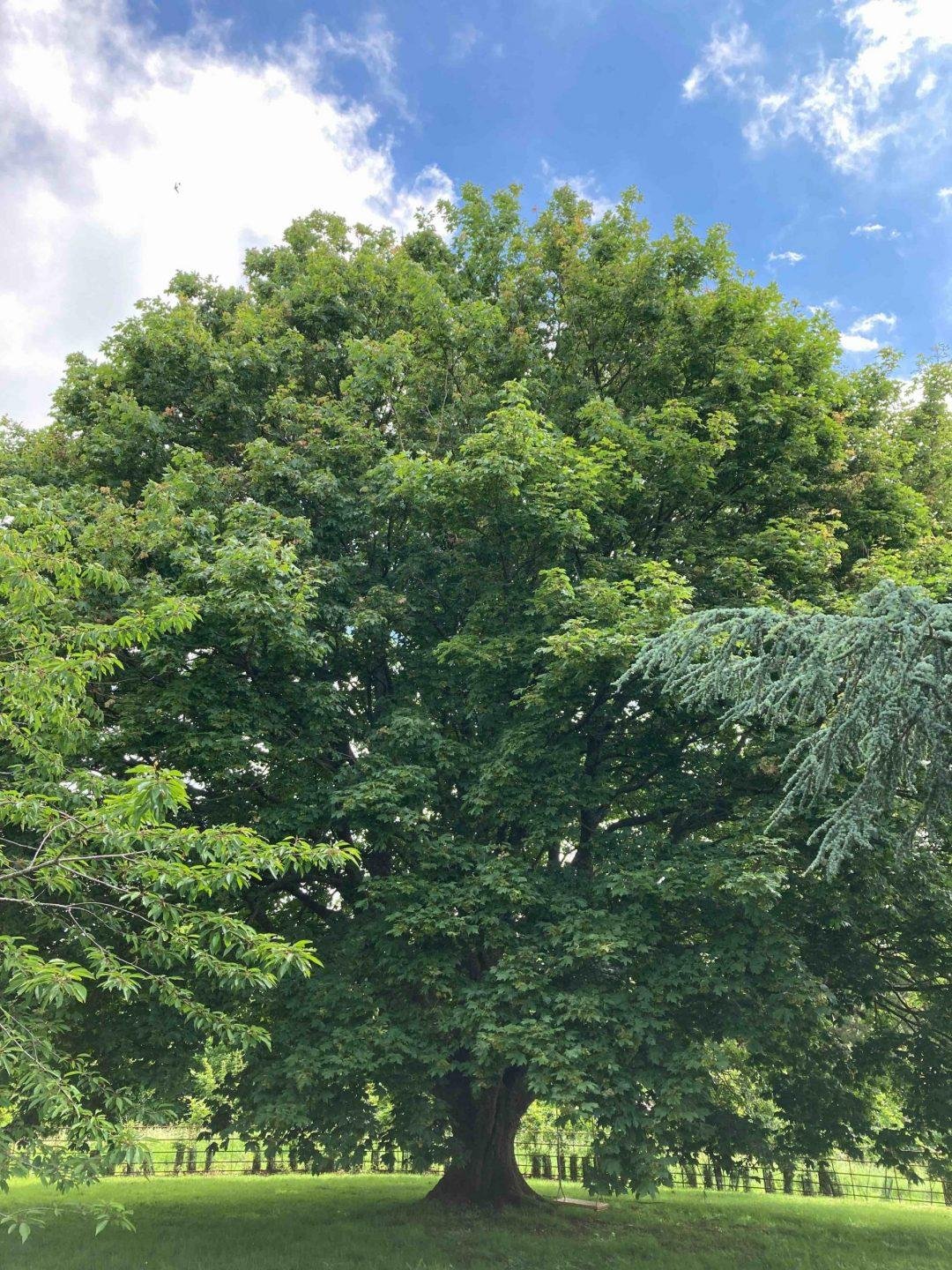
In a mature natural forest, trees rarely exist alone. They occupy different "ecological niches" and mutually reinforce the forest's resilience.
How oak and ash interact
They don't just grow next to each other - they create conditions for each other.
Ash tree
grows quickly;
improves the soil with its quickly decomposing leaves;
lets in a lot of light;
accelerates nutrient cycling.
Oak
grows more slowly;
forms a durable "framework" for the forest;
creates a variety of habitats for animals;
stabilizes the ecosystem for centuries.
In fact, ash can accelerate the restoration of fertility, and oak then supports a mature ecosystem.
Trees that perform similar roles
Linden - "tree of fertility"
highly nutritious foliage;
excellent honey plant;
supports a variety of insects;
creates a soft microclimate.
It is very similar to ash in its ability to improve the soil.
Maple
quickly forms humus;
retains moisture;
supports mushroom diversity;
goes well with oak and linden.
Elm
has a powerful root system;
strengthens river banks and slopes;
creates a rich forest litter.
Hornbeam
forms a dense second tier of forest;
protects the soil from overheating;
retains moisture.
Alder
It is especially valuable because, thanks to symbiosis with bacteria, it enriches the soil with nitrogen;
often the first to colonize poor or disturbed areas.
Birch
one of the first trees in clearings and fire sites;
quickly creates shade;
helps more demanding species to emerge.
If you look at the forest as an organism
The roles can be roughly divided as follows:
Birch, willow- pioneers, the first to occupy free territory.
Alder- restores fertility, especially nitrogen balance.
Ash, linden, maple- create rich living soil and accelerate forest development.
Oak- forms a durable basis for the ecosystem.
Beech- maintains stable mature forest, especially in wetter regions.
Europe's most "ecologically valuable" trees
When judged by how much life they support, the leaders are usually:
Oak - a huge number of related species.
Willow is extremely important for early spring pollinators.
Linden is one of the best honey plants.
Ash - supports a rich soil ecosystem and light-loving communities.
Alder - restores poor soils.
Maple - promotes a diversity of fungi, insects and forest vegetation.
If we look at this from the point of view of the DREVO project, the most promising thing is not the planting of one “ideal” tree, but the creationmulti-layered forest, where each species performs its own function. This approach is closer to natural forests and typically makes the ecosystem more resilient to drought, disease, and pests than monocultures.