Plants that naturally grow with oak, ash, and maple
companion trees and shrubs, which naturally grow alongside oak, ash, and maple and complement their functions: they improve the soil, protect young trees, feed pollinators and birds, create a second layer, and increase forest stability.
Main compatibility table
| Companion species | With oak | With ash | With maple | Main function | The best conditions | Restrictions |
|---|---|---|---|---|---|---|
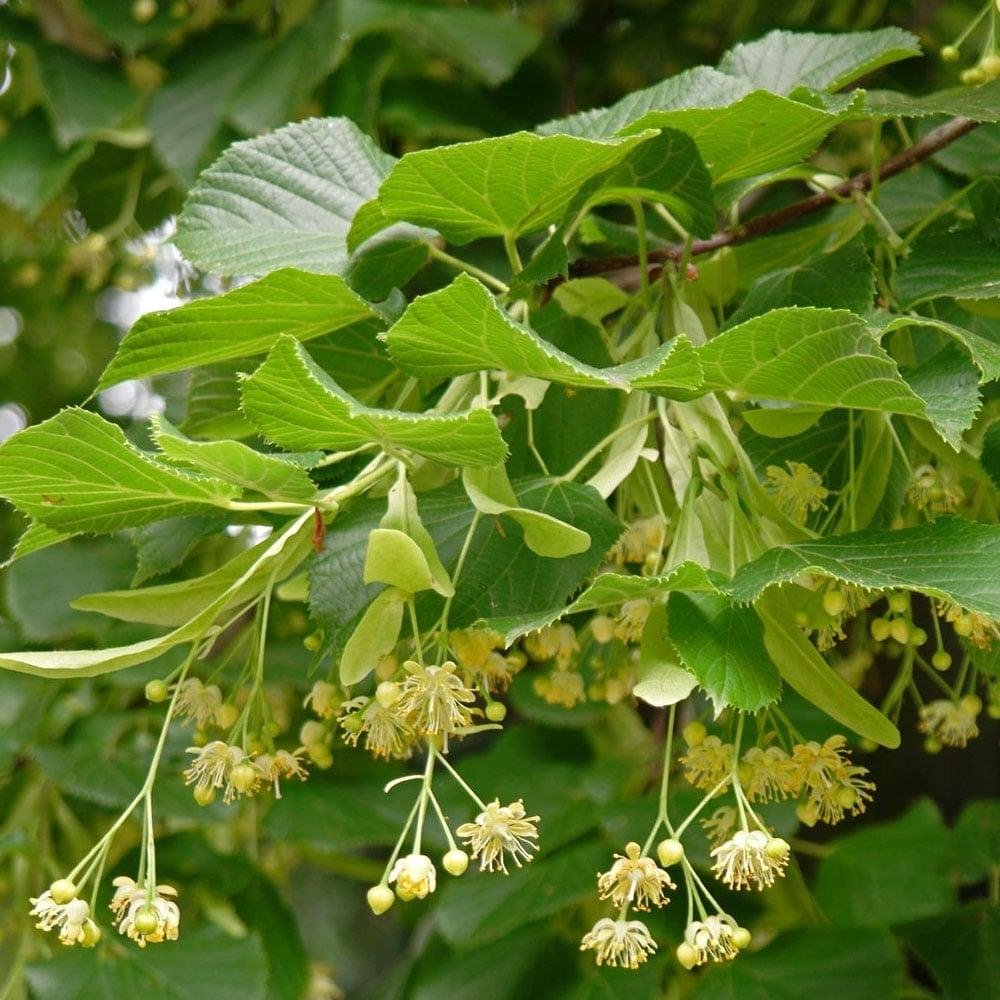
| Small-leaved linden | 5/5 | 5/5 | 4/5 | Fertile foliage, honey plant, soft humus, soil protection | Fresh fertile loam, partial shade | May heavily shade oak undergrowth |
| Common hornbeam | 5/5 | 4/5 | 4/5 | Second tier, protection of oak trunks, moisture retention | Fresh and moderately dry soils | At high density it suppresses light-loving species |
| Rough elm or field elm | 4/5 | 5/5 | 4/5 | Deep roots, canopy diversity, slope stabilization | Rich loams, ravines, valleys | Dutch elm disease |
| Bird cherry | 4/5 | 5/5 | 4/5 | Early flowers, fruits, rapid closing of forest windows | Deep, well-drained soils | Shorter-lived than oak; does not like stagnant water |
| Silver birch | 4/5 | 3/5 | 3/5 | Pioneer, quickly creates a microclimate | Poor, dry and disturbed lands | Over time, it should give way to durable breeds. |
| Black alder | 3/5 | 4/5 | 3/5 | Nitrogen fixation, drainage and strengthening of damp areas | Floodplains, streams, waterlogged areas | Not suitable for dry areas |
| Mountain ash | 4/5 | 4/5 | 4/5 | Fruits for birds, second tier, frost resistance | Acidic and neutral forest soils | Low durability |
| Wild apple tree | 4/5 | 4/5 | 4/5 | Fruits, pollinators, genetic diversity | Light forest edges and sparse woodlands | Does not tolerate strong shade |
| Wild pear | 5/5 | 3/5 | 4/5 | A long-lived fruit tree of dry forests | Dry limestone edges | Slow growing, requires light |
| Bereka | 5/5 | 3/5 | 4/5 | A drought-resistant companion to the oak tree, the fruits are a treat for birds. | Warm limestone slopes | A rare and slow-growing species |
| Field maple | 5/5 | 5/5 | — | Second tier, humus, protection of oak trunks | Dry and calcareous soils | Requires control near young oak trees |
| Sycamore | 3/5 | 5/5 | — | Filling damp forest windows | Cool, damp slopes | Can quickly shade an oak tree |
| Pedunculate oak/sessile oak | — | 5/5 | 5/5 | Durable framework, biodiversity | By oak type: wetter or drier | Slow start |
| Common ash | 5/5 | — | 5/5 | Light canopy, rapid mineral turnover | Rich fresh soils | Ash drying out |
| Aspen | 3/5 | 3/5 | 3/5 | Fast recovery, food for many organisms | Wet and fresh disturbed areas | Root suckers, short lifespan |
| Goat willow | 3/5 | 4/5 | 3/5 | Very early food for pollinators | Forest edges, damp clearings | Short life cycle |
| Yew berry | 3/5 | 3/5 | 4/5 | Evergreen lower tier, winter shelter | Shady limestone areas | Very slow growing; most parts are poisonous |
Natural and restored broadleaf forests often combine oak, ash, field maple, linden, hornbeam, birch, and woody shrubs. This mixture of species reduces the risk of losing the entire ecosystem if one main species becomes diseased.Forest Research)
The best companion shrubs
Universal shrubs
| Bush | Compatibility | Ecological role | Accommodation |
|---|---|---|---|
| Common hazel | Oak 5/5; ash 5/5; maple 5/5 | Nuts, undergrowth, soft humus, microclimate | In groups at a distance from the trunks of the main trees |
| Hawthorn | 5/5 with everyone | Flowers for pollinators, fruits for birds, thorny protection for young plants | Edges, outer ring |
| Viburnum arvensis | Especially ash and maple | Fruits, damp undergrowth | Fresh and damp places |
| Blood-red dogwood | 5/5 with everyone | Fruits, slope stabilization, dense undergrowth | Forest edges and light forest |
| European spindle tree | Especially oak and ash | Autumn fruits, insects, structural undergrowth | Partial shade, fertile calcareous soils |
| Common privet | Especially oak and field maple | Evergreen or semi-evergreen protection, fruits | Warm dry forest edges |
| Turn | Especially oak | Protection of young plants, early flowering, fruits | Outer edges, not inside dense forest |
| Dog rose | With everyone | Flowers, fruits, shelter for birds | Light forest edges |
| Buckthorn brittle | Ash and maple on wet soils | Food for some butterflies, fruits for birds | Moist, semi-shaded undergrowth |
| Buckthorn laxative | Oak and field maple | Dry calcareous undergrowth | Warm slopes |
| Black elderberry | Ash and maple | Quickly processes rich soil, flowers and fruits | Rich wet places |
| Wild honeysuckle | Ash, maple, oak in partial shade | Liana, flowers and fruits, shelters | In moderation around the edges |
| Holly | Oak and maple | Evergreen winter shelter | Mild, humid climate, acidic soils |
| Medlar | Oak and field maple | Fruits and variety of edging | Warm, bright places |
Hazel, hawthorn, dogwood, euonymus, blackthorn, rosehip, buckthorn, wild apple and elm are indeed part of the undergrowth of oak-ash-maple communities.infoflora.ch)
Main companions of oak
The oak tree needs plants thatprotect its trunk, but do not block the upper light.
| Priority | Satellite | Benefits of oak | Risk |
|---|---|---|---|
| 1 | Small-leaved linden | Improves litter, supports soil life | Don't plant too close |
| 2 | Hornbeam | Forms lateral shade, stimulates a straight trunk | May suppress oak undergrowth |
| 3 | Field maple | Second tier, humus, protection from heat | Thinning required |
| 4 | Hazelnut | Maintains humidity and animals | It can grow |
| 5 | Hawthorn | Protects young oak trees from animals | Do not place directly next to the trunk |
| 6 | Wild pear and bereka | Drought-resistant fruit layer | They require light |
| 7 | Merry | Quickly forms a young canopy | Should not surpass the oak in height |
| 8 | Birch | Temporary protective breed | Later, selective cleaning is required. |
Oak-hornbeam forests naturally include field maple, linden, ash, bereka, wild apple, wild pear, hazel and a number of fruit bushes. (infoflora.ch)
The main companions of ash
Ash prefers rich, active soil. The best companion plants should maintain moisture but not increase waterlogging.
| Priority | Satellite | Benefit |
|---|---|---|
| 1 | Elm | Creates a stable floodplain and ravine forest |
| 2 | Linden | Stabilizes humus and microclimate |
| 3 | Field maple | Fills the second tier |
| 4 | Hazelnut | Forms a typical rich undergrowth |
| 5 | Merry | Supports pollinators and birds |
| 6 | English oak | Forms a durable framework on fresh soils |
| 7 | Viburnum | Good in humid microzones |
| 8 | Red-eared fox | Undergrowth of rich calcareous soils |
| 9 | Alder | Only in the wettest part of the area |
| 10 | Goat willow | Temporary edge and pioneer breed |
Moist broadleaf forests often form a stable combinationoak–elm–ash, and more drained slopes -ash–maple–hazel. (euforgen.org)
Main companions of maple
The composition depends on the type of maple.
For field maple
sessile and pedunculate oak;
small-leaved linden;
hornbeam;
ash tree;
bereka;
wild pear;
hazel;
hawthorn;
red;
beresklet;
privet.
This is the best complex for warm, dry limestone forest.
For sycamore
ash tree;
rough elm;
large-leaved linden;
beech - only in a sufficiently damp area;
merry;
rowan;
hazel;
elderberry;
honeysuckle.
It is a complex of cool slopes, ravines and mountain forests.
For the holly maple
linden;
oak;
elm;
ash tree;
hornbeam;
hazel;
beresklet;
viburnum.
However, Norway maple and sycamore can create dense shade. Their presence should be limited to prevent them from crowding out oak and the sun-loving herbaceous layer.
Schemes by site type
1. Dry limestone slope
| Circle | Composition |
|---|---|
| Main | Sessile oak, downy oak |
| Average | Field maple, hornbeam, small-leaved linden, bereka |
| Small trees | Wild pear, mealy rowan |
| Shrubs | Red, hawthorn, birch, thorn, rosehip, joster |
| Do not use in large quantities | Common ash, alder, moisture-loving sycamore |
2. Deep, fresh, fertile soil
| Circle | Composition |
|---|---|
| Main | English oak, ash, linden |
| Average | Field and Norway maples, hornbeam, elm |
| Small trees | Sweet cherry, wild apple, rowan |
| Shrubs | Leshchi, viburnum, red, birch, hawthorn |
| CONTROL | Avoid excessive density of maple and hornbeam |
3. Wet valley or floodplain
| Circle | Composition |
|---|---|
| Main | English oak, elm, ash |
| Wet areas | Black alder, local willows |
| Average | Field maple on drier micro-elevations |
| Small trees | Bird cherry, rowan |
| Shrubs | Viburnum, buckthorn, shrubby willow, dogwood |
| Error | Plant sessile oak and drought-loving shrubs in low flooded areas |
4. Cool mountain slope
| Circle | Composition |
|---|---|
| Main | Sycamore, large-leaved linden, rough elm, beech |
| impurity | Ash on rich soils, sessile oak on warmer ledges |
| Small trees | Rowan, cherry |
| Shrubs | Hazel, honeysuckle, elderberry |
| Limitation | Don't make sycamore the only dominant |
Optimal long-lasting group around one oak tree
For one future old oak tree, you can create a group with a radius of about 15–20 m:
| Situation | Plants | Quantity |
|---|---|---|
| Center | Oak | 1 |
| Middle ring, no closer than 6–8 m | Linden or field maple | 2–3 |
| North and East side | Hornbeam | 2–4 |
| Light intervals | Ash or cherry | 1–2 |
| Outer tier | Hazelnut | 3–5 |
| Edge of the forest | Hawthorn, red, viburnum, rosehip | 6–12 |
| Individual points | Wild apple, pear, bereka | 1–3 |
The main principle:the oak is left with free overhead light, and the satellites form lateral protection, soil and undergrowth.
What should not be mixed thoughtlessly
A beech tree next to a young oak tree: over time it can completely obscure it.
Too much sycamore or Norway maple: they quickly fill the windows and suppress oak undergrowth.
Alder on a dry slope: its nitrogen-fixing capacity does not compensate for unsuitable humidity.
Thorn inside the forest: can form impenetrable thickets; best used at forest edges.
Elderberry on poor dry soils: This is a plant of nitrogen-rich areas.
Ash-leaved maple: in Europe it is better to exclude it from natural plantings due to its invasiveness.
Ash monoculture: high risk due to ash drying out.
Tight geometric fit: natural groups and unequal distances are more stable than even rows.
The final universal composition
For a Central European mixed forest on normal fresh soil, a reasonable starting structure might look like this:
| Group | Fate |
|---|---|
| English oak and sessile oak | 25–35% |
| Linden | 10–15% |
| Maples | 8–12% |
| Hornbeam | 8–12% |
| Ash tree | 4–8% |
| Elm, cherry, rowan, wild fruits | 8–12% |
| Birch and other temporary pioneers | 5–8% |
| Shrubs | Separate undergrowth, approximately 15–30% of planting sites |
This does not mean that the percentages should be the same on every hectare. It is better to createmicrozonesOak-hornbeam forests in drier areas, ash-elm forests in damp hollows, maple-linden forests on fertile slopes, and shrubby forest edges. It is this mosaic, not a uniform mixture, that creates a stable forest ecosystem.