Integrated Coastal Restoration Project
DREVO views the coastal strip not as a place for decorative planting, but as a linear natural engineering system: ocean fog, wind barriers, soil, plants, and the road must work together.
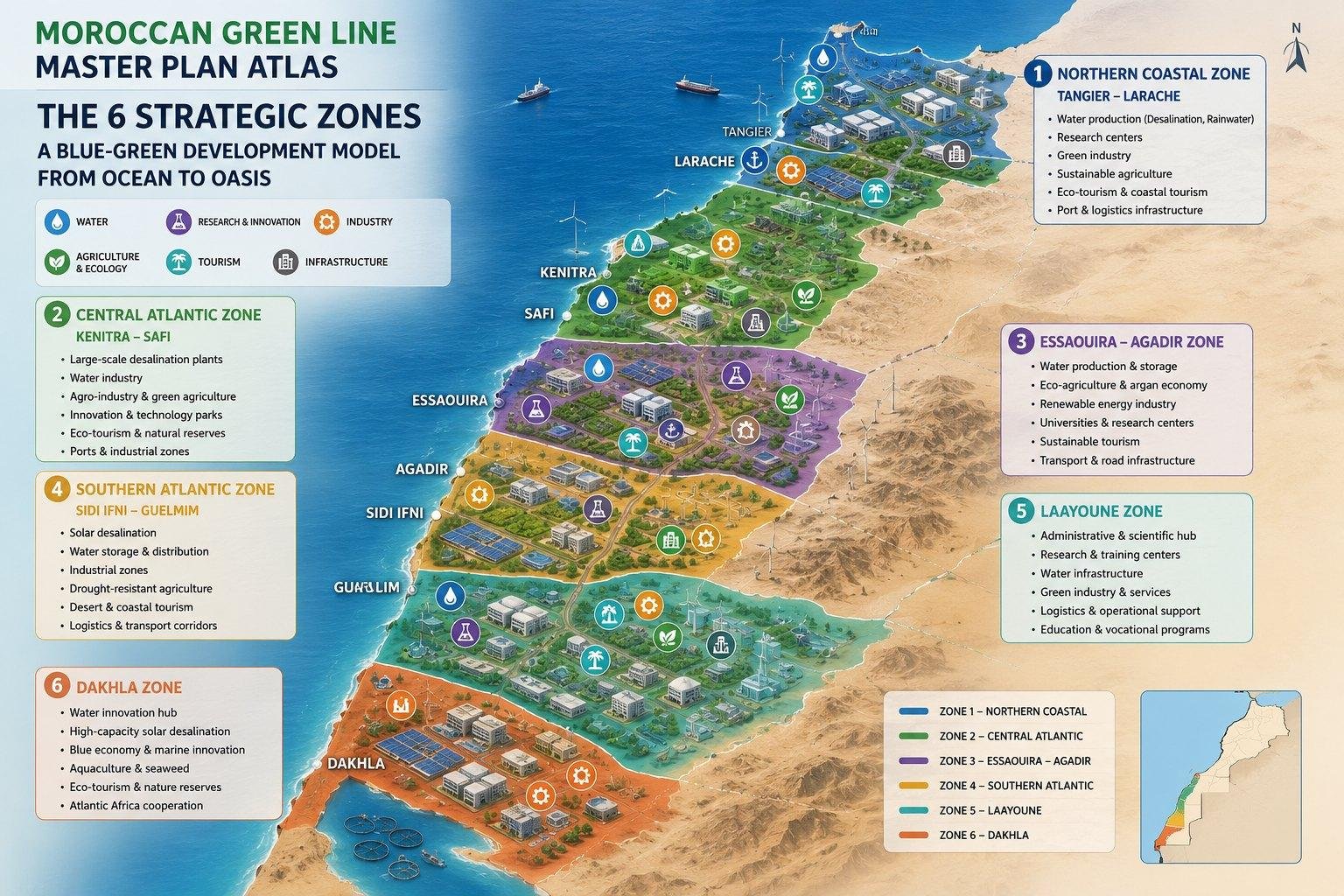
General frame
Not landscaping, but an infrastructure system
The coastal restoration project must address several issues at once: protecting the road and infrastructure from sand, harnessing ocean fog as a hidden water resource, creating a microclimate, initiating soil formation, and gradually restoring sustainable vegetation.
What's particularly important about the project's underlying logic is that the green corridor doesn't begin with mass tree planting. First, the environment is created: fog is captured, wind is slowed, sand is stabilized, the soil begins to retain moisture, and only then does the system develop sustainable plants.
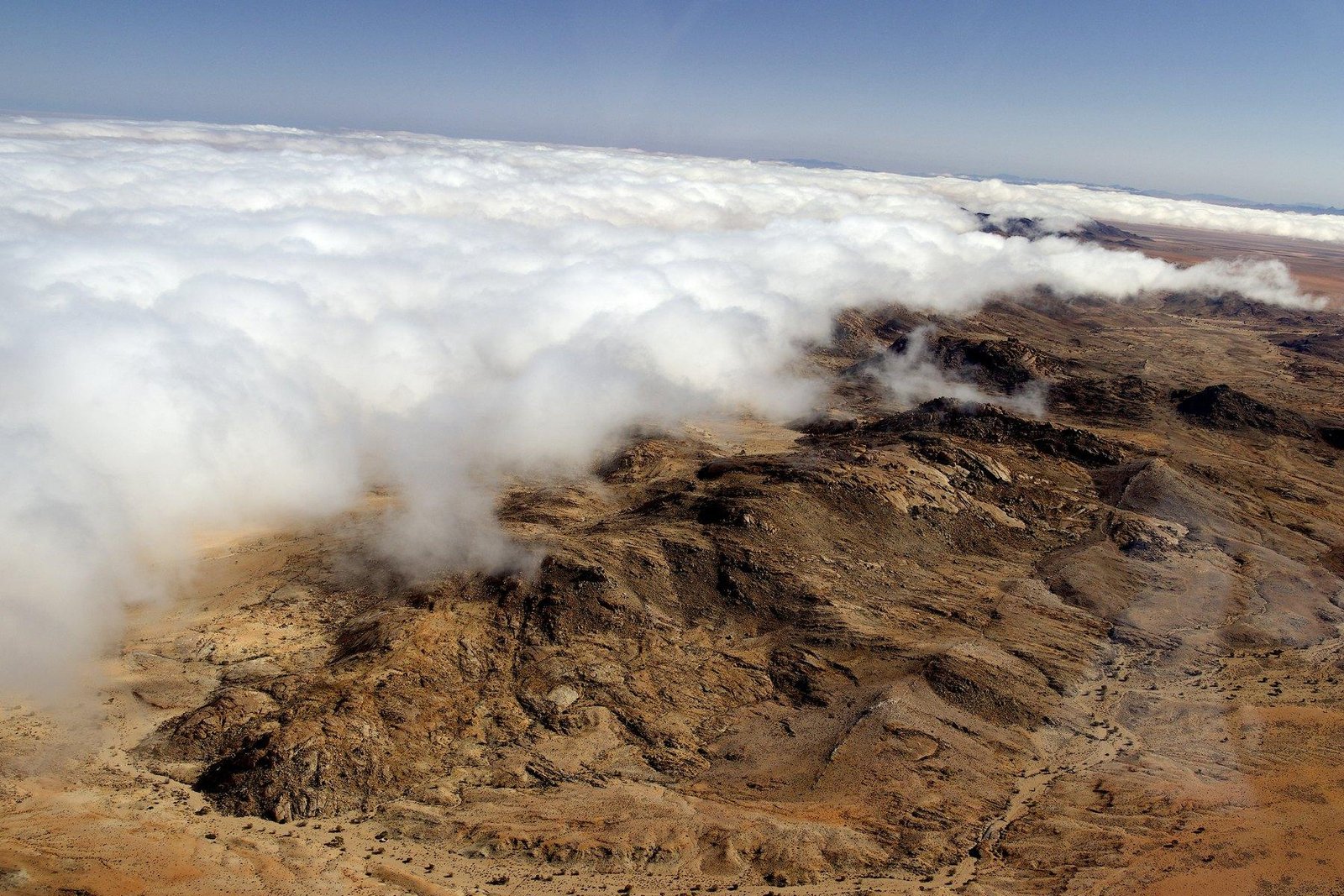
Ocean fog and night humidity are the main hidden water resource of the coastal strip.
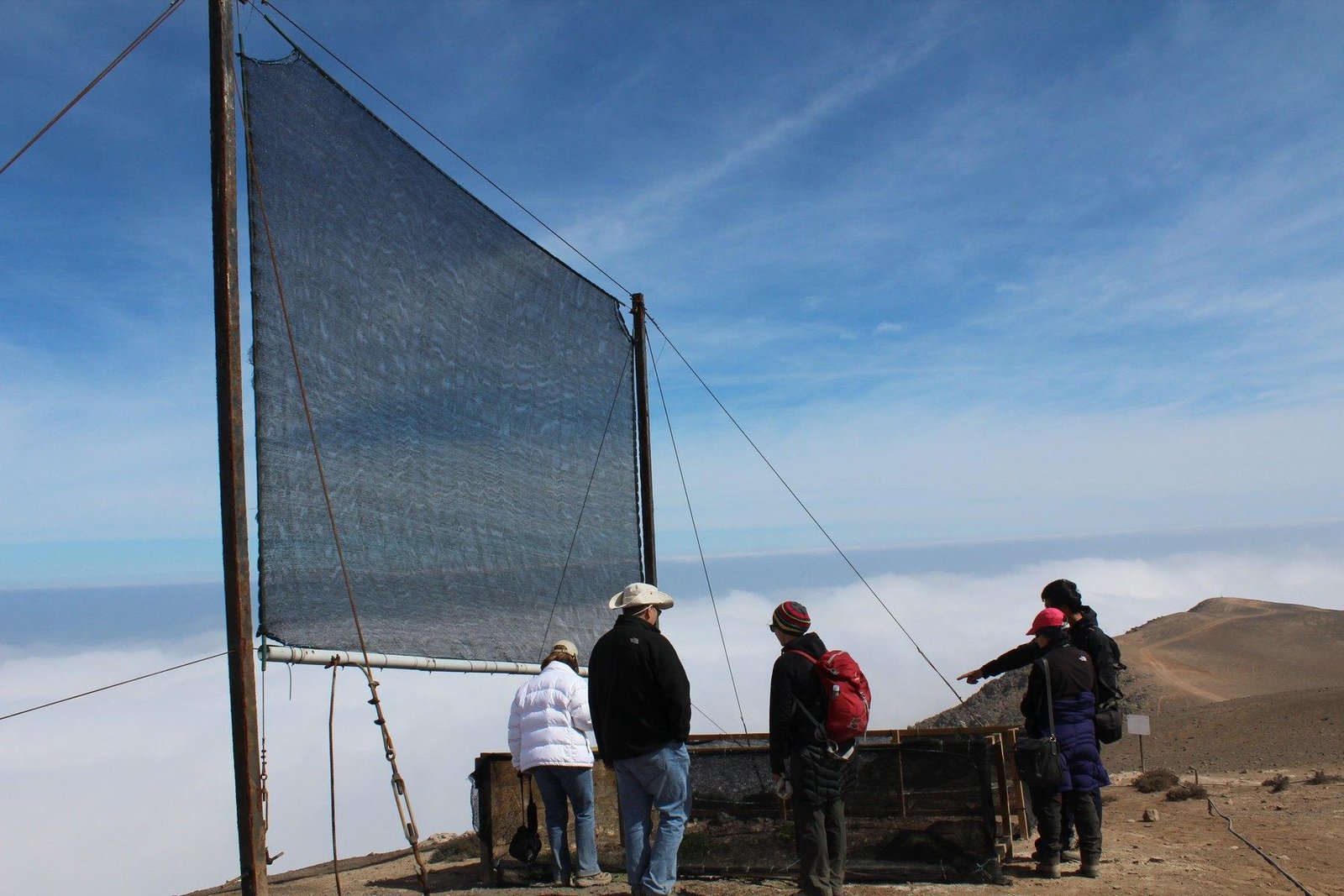
Fog traps transform humid air into a controlled source of droplet moisture.
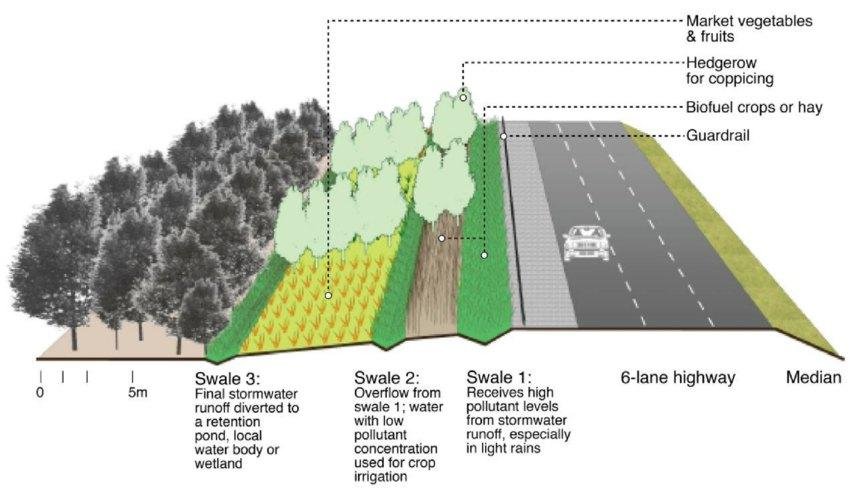
Microrelief and ditches retain water close to the plantings rather than allowing it to run off over the surface.
Project goal
The project's goal is to create a functional protective and restoration strip along the coastal road. It should reduce sand drifts, mitigate wind loads, increase ground moisture, improve the visual quality of the area, and form the basis for future corridor expansion.
| Direction | Practical meaning | Expected result |
|---|---|---|
| Road protection | interception of sand before reaching the road surface | less cleaning, lower operating costs |
| Microclimate | wind slowdown, shade and lower surface temperatures | the best conditions for plants and soil |
| Soil | retention of moisture, organic matter and biocrust in the top layer | sand gradually becomes a living surface |
| Ecosystem | return of grasses, shrubs, insects and resistant trees | self-supporting natural framework |
| Cultural effect | the road becomes not only a transport facility, but also a symbol of restoration | a visible national project, understandable for the city and the state |
Line architecture
The system is built in layers: ocean → fog → barrier → soil → plants → track. Each layer reinforces the next. Without geometry, soil work, or phasing, the plantings will remain dependent on water and vulnerable to wind, salt, and shifting sand.
| Layer 1. Fog traps Nets 2-4 m high are placed every 10-20 m. They collect moisture, slow the wind, and provide a starting point for humidification. | Layer 2. Wind-biobarrier Rows of tamarisk, acacia and other hardy species block sand, retain moisture and create the first shade. | Layer 3. Living cover Shrubs, resistant grasses, mosses, lichens and biocrusts anchor the surface and create a microclimate. | Layer 4. Soil engineering Stone lines, mini-depressions, embankments and swale-ditches catch water and prevent it from quickly leaving the site. |
|---|
Watering is only needed as a start-up
During the first 6-12 months, occasional drip irrigation or water trucking is acceptable. However, the project should not be designed as a permanent, water-dependent system. Its purpose is to create conditions in which fog, dew, mulch, rocks, microrelief, and biotope retain moisture significantly longer than open sand.
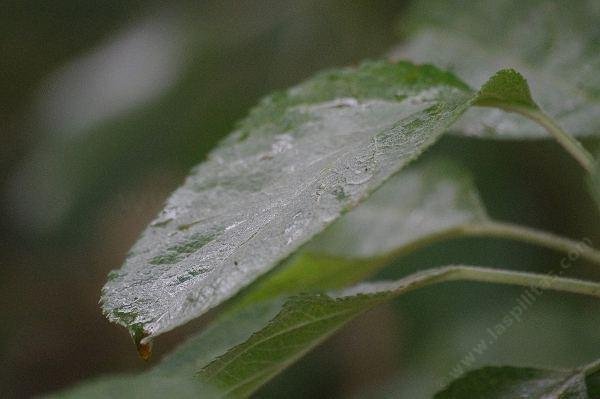
Fog droplets show how moist air can become available moisture.

Zai-pits and microrelief retain water at future planting points.
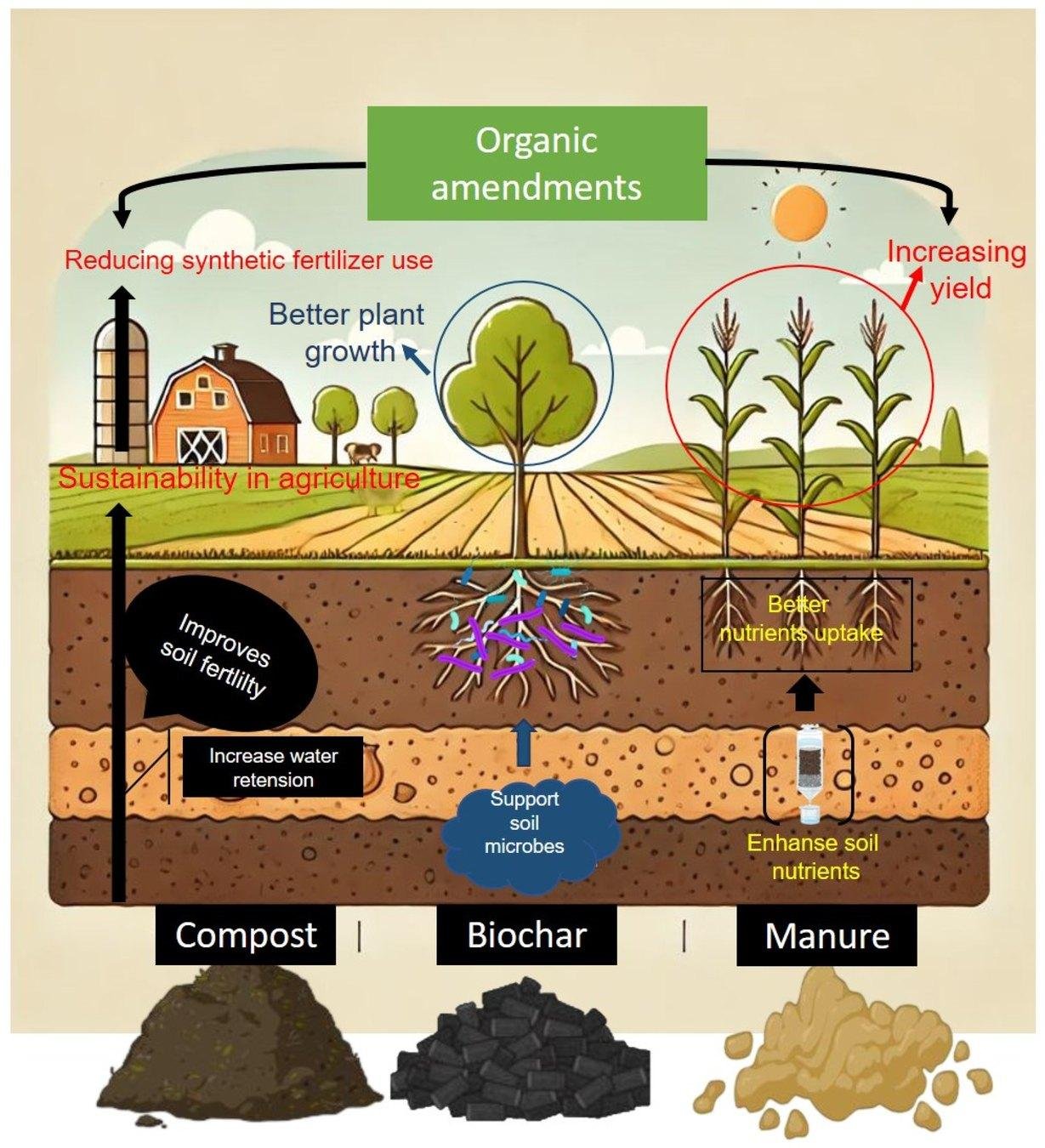
Organic matter and bio-cover help sand to move to the living soil surface.
Module 50-100 m
The actual building block of the project is not the entire route at once, but a short, repeatable segment. One module, 50-100 meters long and 5-10 meters wide, allows for testing of geometry, wind, salt stress, water retention, plant selection, and maintenance. Once tested, the module is replicated further.
| Scale | What is being checked? | Decision after verification |
|---|---|---|
| 50-100 m | geometry, fog, wind, sand, starter plants | adjustment of the scheme and landing set |
| 1 km | full layering and maintenance | preparation of a pilot standard |
| 5-15 km | logistics, cost, repeatability, local production of materials | transition to an infrastructure program |
What should change in 1-3 years
A successful module should produce visible and measurable results: less sand on the road, lower surface temperatures, increased soil moisture, more resilient plants, denser soil cover, and a clear maintenance plan. This isn't an instant forest, but a gradual stabilization of the environment.
| Sand The drifts should be weakened by barriers, plants and microrelief. | Temperature Shade, mulch and plant cover reduce surface overheating. | Humidity Fog, dew and soil engineering increase moisture retention time. | Ecosystem A foundation is created for grasses, shrubs, insects and stable trees. |
|---|
Why is this important for the city and the state?
The project can be presented as infrastructure protection, a desertification control program, a climate project, and a demonstration of innovative ecology. For coastal areas, such a system is particularly valuable: it combines water from the air, road safety, soil restoration, and a new visual image of the area.
The project's most powerful idea: a corridor of life, where air gradually becomes water, the desert begins to harbor life, and the road becomes part of a restored ecosystem.
Fair conditions for success
The project won't work solely on individual trees. Without the correct barrier geometry, soil engineering, phasing, and monitoring, there's a high risk of failure. With the right system, this is a realistic approach: similar solutions for fog harvesting, sand stabilization, and dryland restoration have already been used in arid regions, including Morocco and Chile.
| Risk | Why is it dangerous? | How to reduce |
|---|---|---|
| Incorrect geometry | the wind bypasses the barrier or increases erosion | check with short modules of 50-100 m |
| Weak soil | moisture quickly disappears, plants lose root support | use organic matter, stones, holes, biocrust and mulch |
| Trees too early | plantings die before a microclimate is formed | start with barriers, grasses, shrubs and sheltered spots |
| Constant dependence on water | the project becomes expensive and unstable | use watering only as a starter, not as the foundation of the system |