Maximum table of mosses and lichens
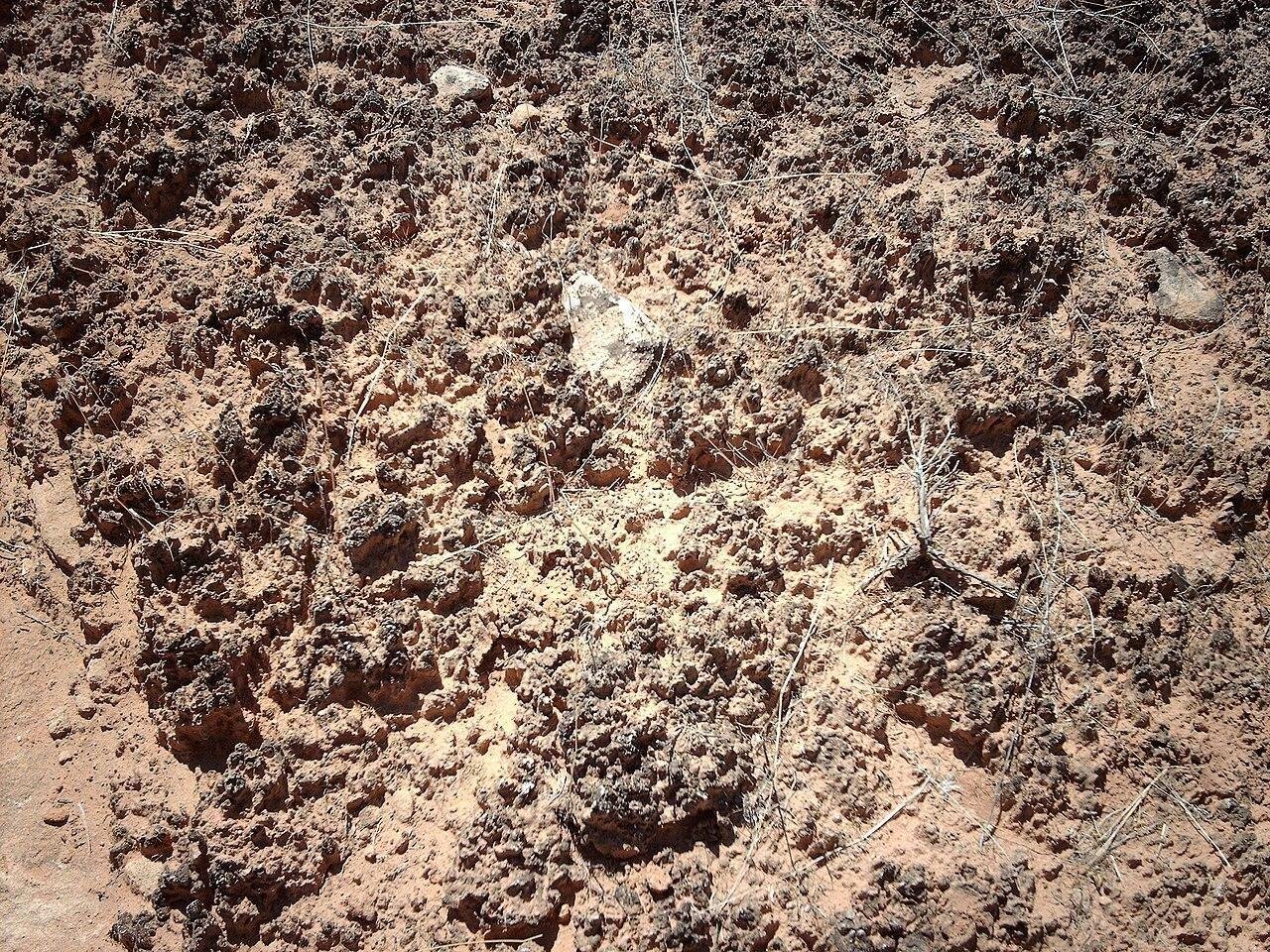
The invisible foundation of restoration: lichens, mosses and a biological soil crust retain moisture, glue the sand together and start the life of the surface.
Article by DREVO
Live film, not a regular landing
Mosses, lichens, and cyanobacteria don't function like trees or grasses. Their role is more subtle: they create a biological soil crust, stabilize sand, retain moisture after fog and rain, and initiate the initial processes of nitrogen and organic matter accumulation.
The correct sequence is: sand → crust → lichens → mosses → grass → shrubs. Therefore, the biocrust is not a decorative detail, but an early engineering and biological layer of the project.
Article images
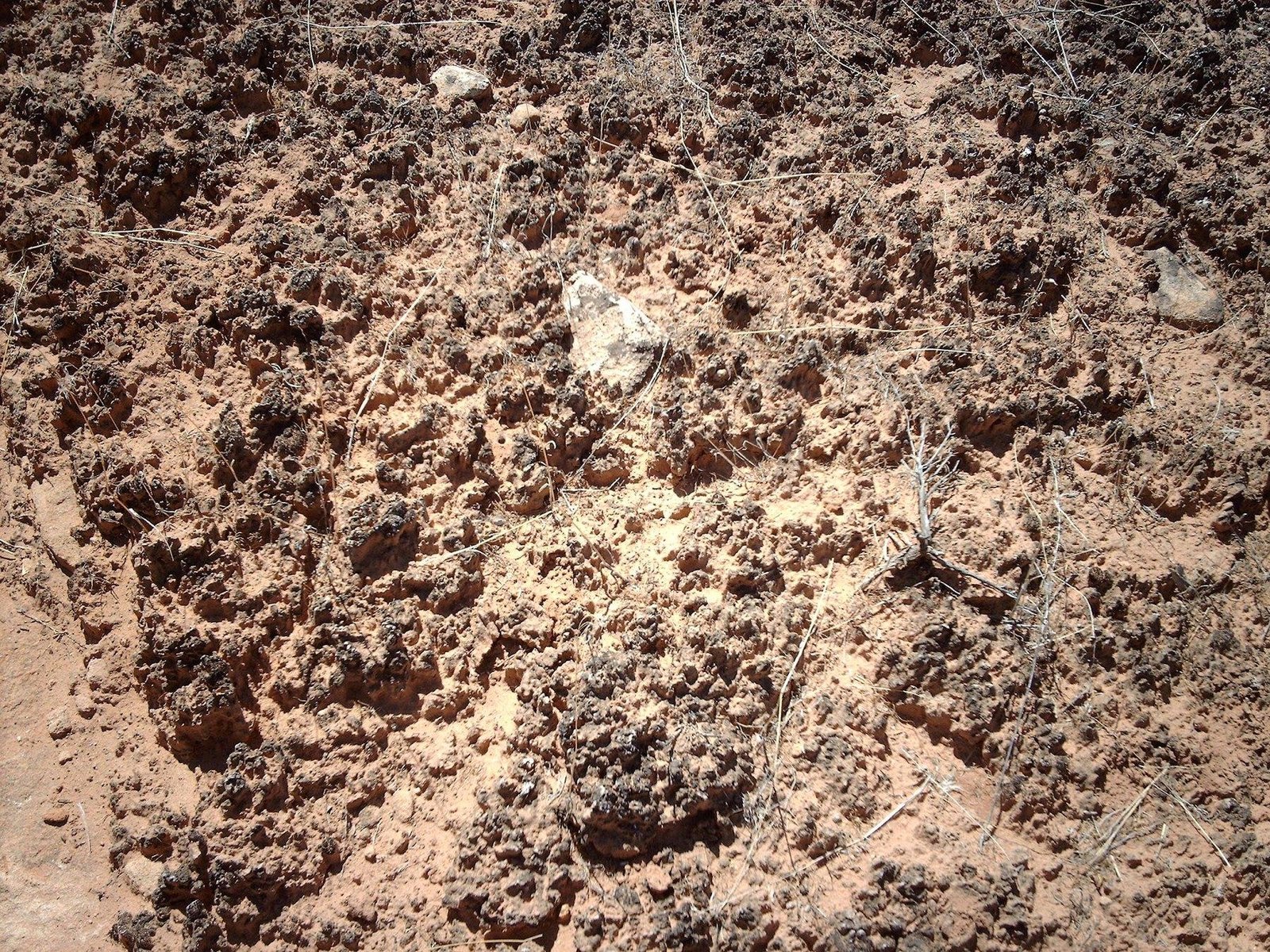
Biological crust: the surface is no longer loose sand
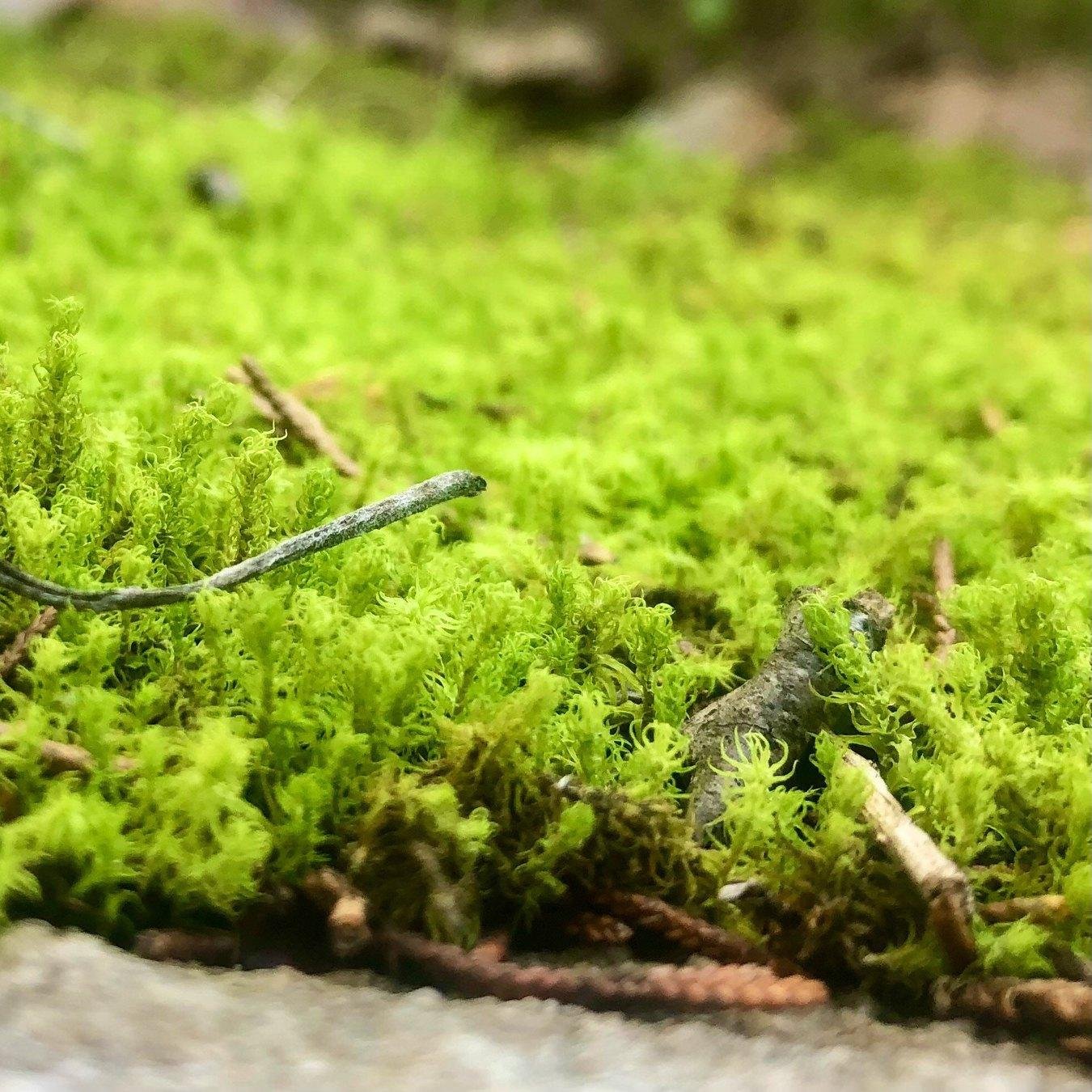
Mosses thrive in protected, moist microzones.
Lichens are the basis
Lichens are important for dry and coastal areas where they need to protect the surface, withstand salty air, and support early soil formation. They can't be "planted" like a regular crop: conditions must first be created.
| View | Latin name | Type | Conditions | Role |
|---|---|---|---|---|
| Colma | Collema spp. | lichen | humidity / fog | nitrogen |
| Peltiger | Peltigera spp. | lichen | shadow | nitrogen |
| Cladonia | Cladonia spp. | lichen | dry | soil |
| Stereocaulon | Stereocaulon spp. | lichen | extremum | sands |
| Xanthoparmelia | Xanthoparmelia spp. | lichen | hot | stones |
| Acarospore | Acarospora spp. | lichen | extremum | rocks |
| Lecanora | Lecanora spp. | lichen | dry | surface |
| Ramalin | Ramalina spp. | lichen | coast | air / salt |
| Teloschistes | Teloschistes spp. | lichen | salty air | protection |
| Usnea | Usnea spp. | lichen | fog | indicator |
Biological crust
The biocrust is the most important invisible layer. Cyanobacteria bind sand particles, add nitrogen, and help the surface resist wind.
| View | Latin name | Type | Role |
|---|---|---|---|
| Microcoleus | Microcoleus vaginatus | cyanobacteria | glues sand together |
| Nostoc | Nostoc spp. | cyanobacteria | nitrogen |
| Scytonema | Scytonema spp. | cyanobacteria | protection |
| Lyngbya | Lyngbya spp. | cyanobacteria | structure |
Mosses
Mosses are limited in conditions, but are very useful in the shade, near rocks, under mulch and in places where moisture is retained after fog or rain.
| View | Latin name | Conditions | Role |
|---|---|---|---|
| Syntrichia | Syntrichia ruralis | dry | soil |
| Tortula | Tortula spp. | dry | retention |
| Bryum | Bryum spp. | wet | locally |
| Grimmia | Grimmia spp. | stones | protection |
| Funaria | Hygrometric funerary | after the rain | rapid growth |
Four functions
| Sand bonding Microcoleus forms the primary surface structure. | Nitrogen Nostoc and Collema support the nitrogen cycle. | Surface protection Lichens reduce the destruction of the top layer by wind. | Moisture retention Mosses act as a local moisture accumulator. |
|---|
How to use in a project
Zones 1-2 near the ocean: Ramalina, Teloschistes and Microcoleus as a salt-tolerant protective layer.
Zones 3-4: Collema, Cladonia and Syntrichia after shade, mulch and wind protection.
Zones 5-6: A full biological layer where biocrust, mosses, lichens, grasses and shrubs work together.
Conclusion
Lichens are the foundation of the ecosystem, mosses are moisture enhancers, and cyanobacteria are the beginning of everything. The correct formulation for the project is: restoration of the biological soil crust. This is scientific, modern, and directly related to the sustainability of the coastal green corridor.