Actual scale: 15 km + own algae production
At 15 km, the project ceases to be an isolated planting and becomes a production system: water, algae, compost, nurseries, equipment, and regular maintenance must operate as a single circuit.
Scaling
15 km require their own resource base
For a short pilot, some materials can be purchased. For a 15-kilometer project, this approach becomes expensive and vulnerable: the project requires its own biomass, water, seedlings, and maintenance. Therefore, the algae block in this model is not a decorative addition, but a production element.
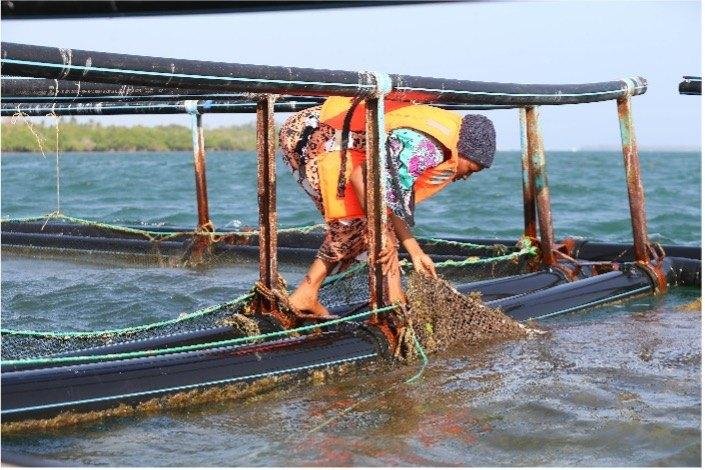
Field work with marine bioresources and local biomass production.
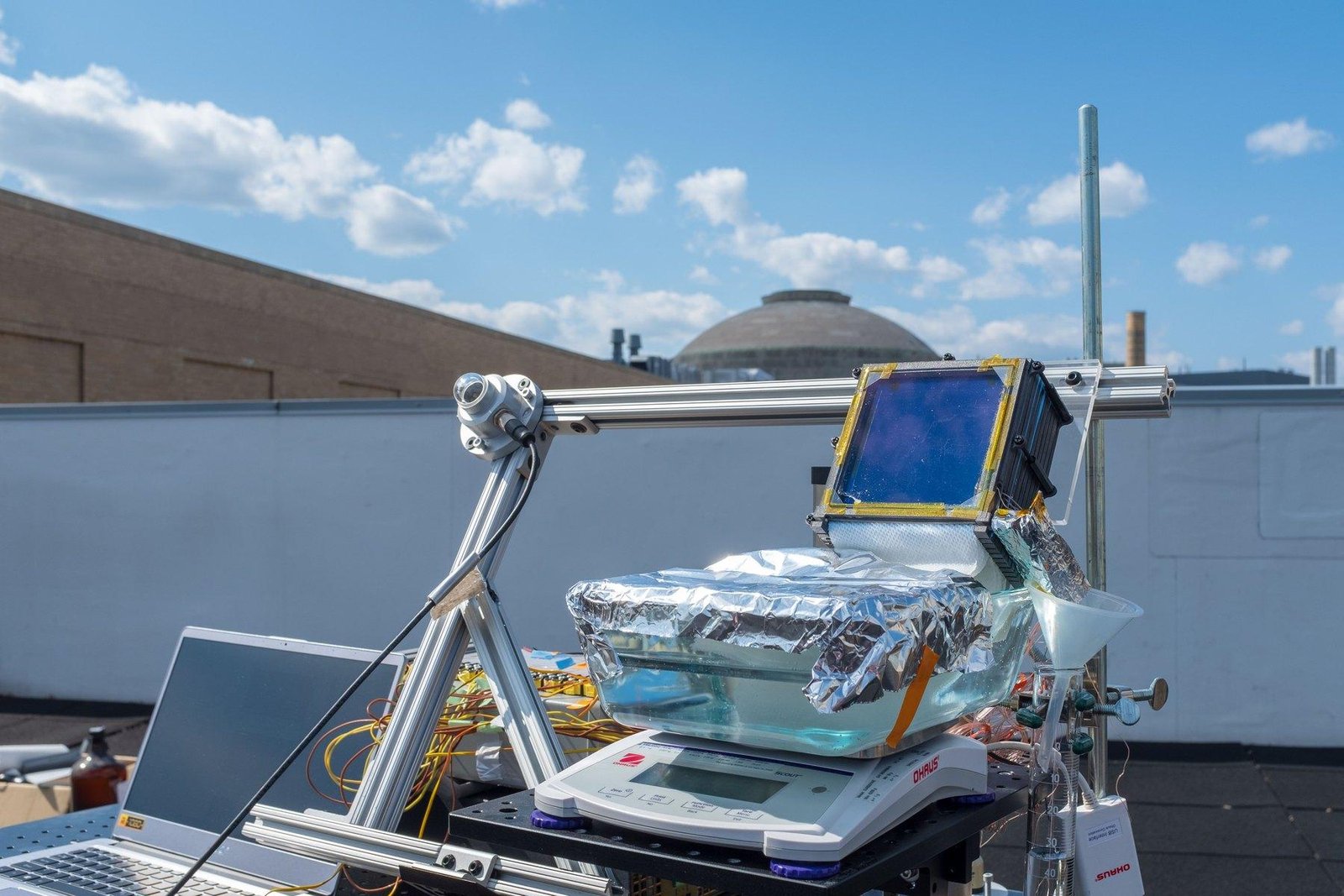
Water Block: Desalination and storage become the basis for scaling.

A nursery is needed for the constant replacement, growth and local adaptation of plants.
Total budget for 15 km
The initial calculation logic is based on the cost per kilometer. For 15 km, direct multiplication provides a guideline, but a real project must take into account economies of scale, localization of materials, and in-house production.
| Level | Landmark 1 km | Landmark 15 km | Comment |
|---|---|---|---|
| Minimum | about €35,000 | about €525,000 | only basic stabilization, water and first plantings |
| Worker | about €80,000 | about €1,200,000 | a realistic option with water, a nursery and maintenance |
| Strong | about €150,000 | about €2,250,000 | accelerated launch with equipment, production, and reserves |
After adding an algae system, the overall cost range increases: a minimum option of €550,000-600,000, a working option of €1.3-1.5 million, and a high-end option of €2.5-3 million. This is no longer a "landscape expense," but rather a start-up infrastructure.
Why do you need an algae block?
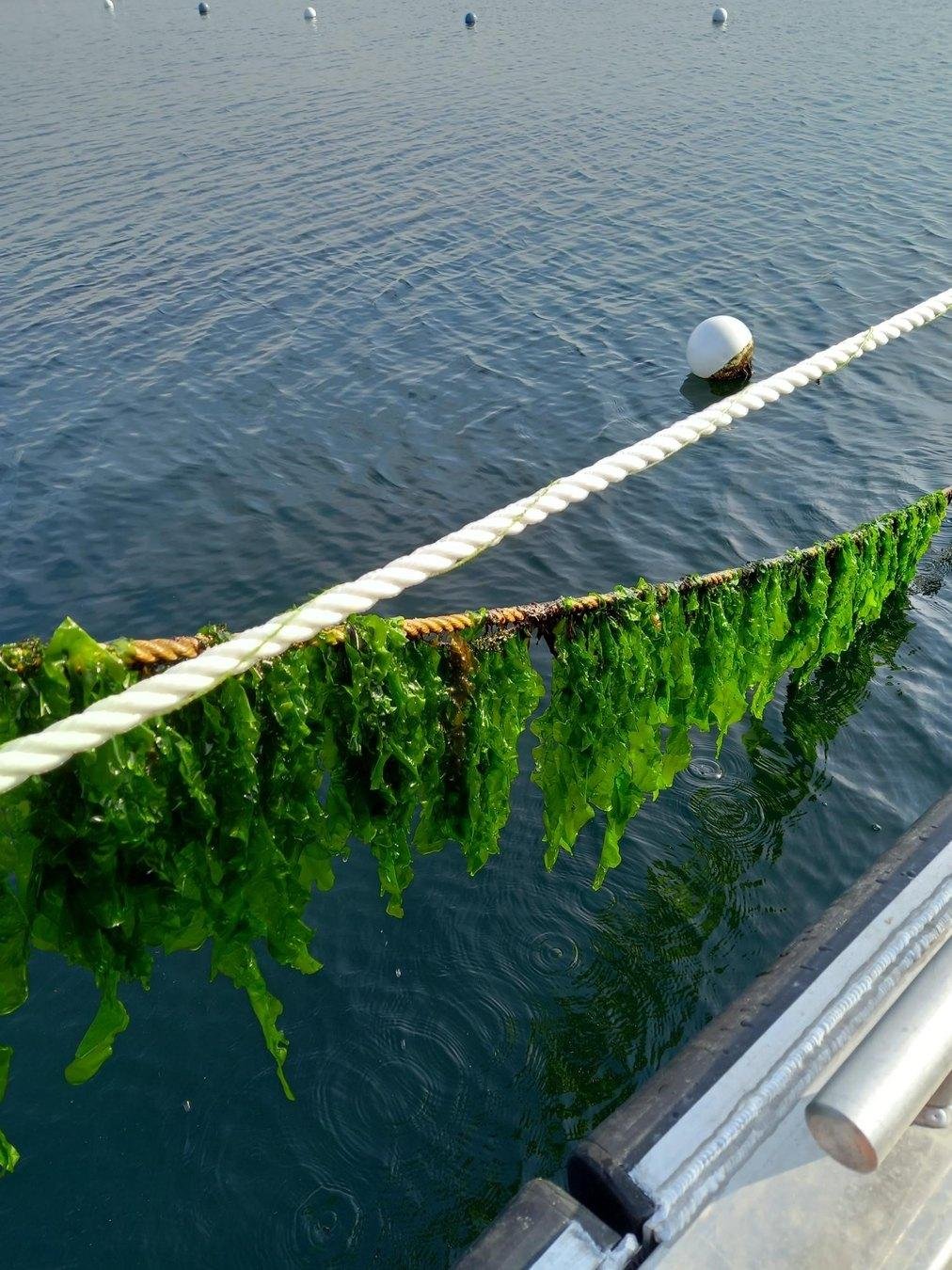
Algae provide the project with its own mineral and organic matter. They can be used for compost, mulch, soil mixtures, and biostimulation, but require salt control and proper leaching before application to the soil.

A simple sea farm can function as a regular source of biomass.
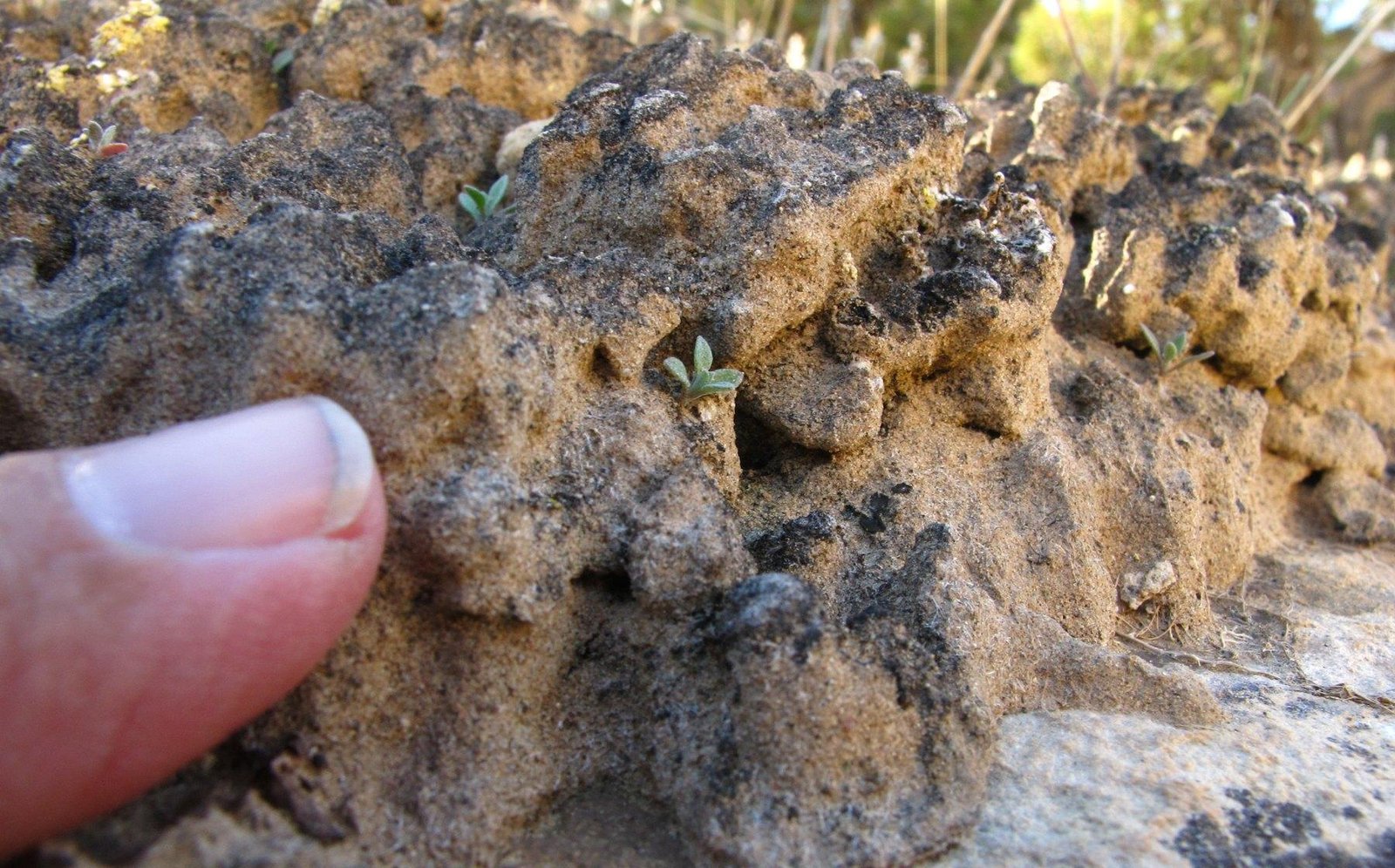
Biocrust and organic matter help transform sand into a living surface.
| Function | What does the project give? | Conditions of use |
|---|---|---|
| Compost | accelerates the accumulation of organic matter | mandatory rinsing from salt |
| Mulch | seals the soil and reduces evaporation | mix with dry organic matter |
| Soil additive | provides minerals and microelements | apply in measured doses |
| Production circuit | reduces dependence on procurement | a site, personnel and water for washing are needed |
Project structure
A 15-kilometer scale can't be launched in one fell swoop. The system must grow in sections: first a proven module, then 5 km, 10 km, and so on. This approach allows for adjustments to water, soil, wind, and plant composition to ensure a large-scale error.
| Stage | The main task | What is being checked? |
|---|---|---|
| 100-200 m | technical test | wind, sand, water, salinity, survivability |
| 1 km | pilot module | The complete package: protection, water, soil, plants, care |
| 5 km | first expansion | logistics, cost of materials, team productivity |
| 15 km | infrastructure project | own production, equipment, regular monitoring |
People and technology
| Format | Team | Purpose |
|---|---|---|
| Minimum | 6-10 people | initial work, manual microrelief, maintenance of short areas |
| Working version | 15-25 people | parallel teams: water, soil, planting, nursery |
| Intensive | 30+ people | accelerated construction, equipment, monitoring and repair |
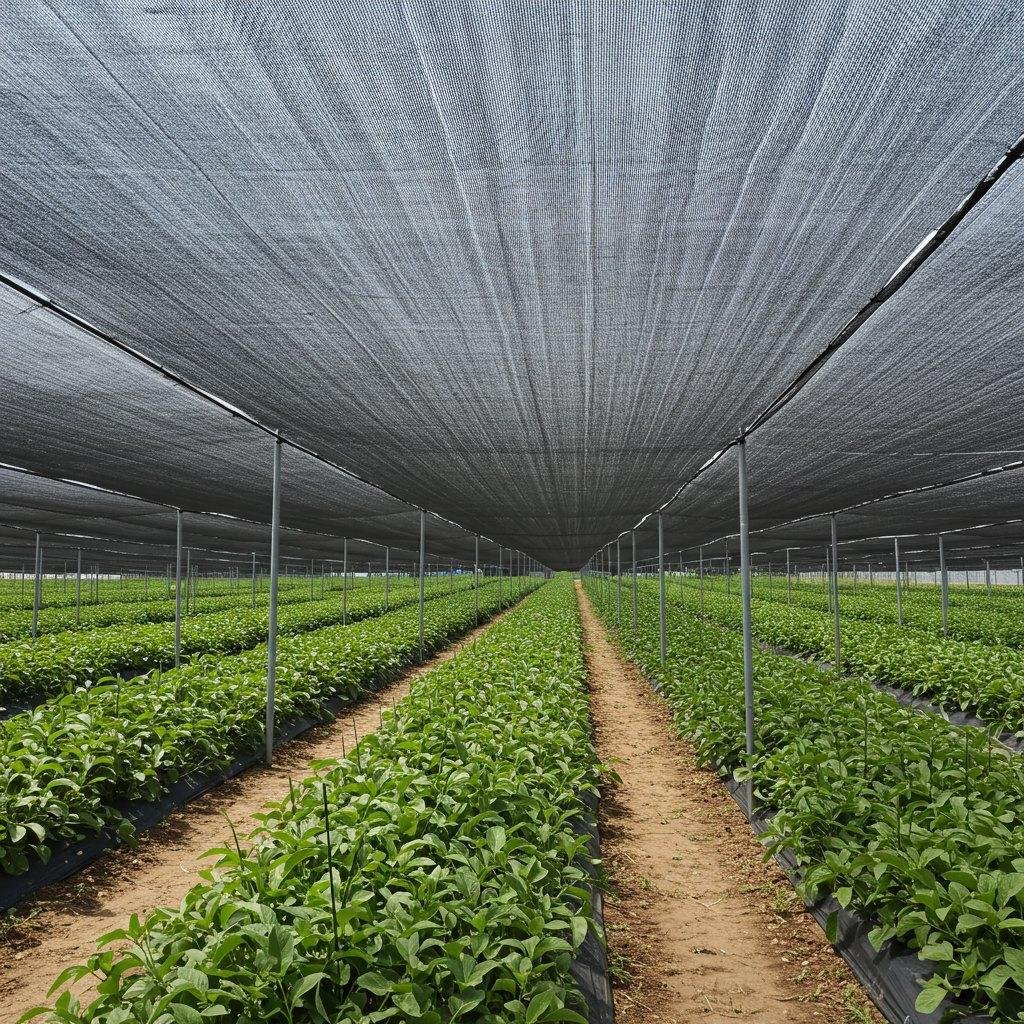
Shading and protective nets reduce stress on plants and seedlings.
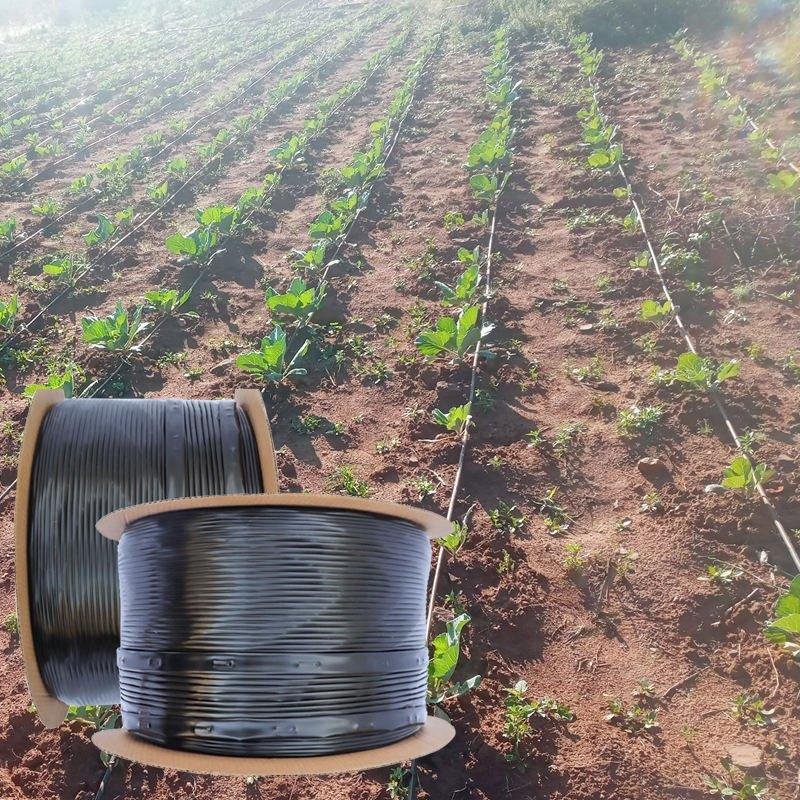
The drip system makes water consumption manageable over a long area.
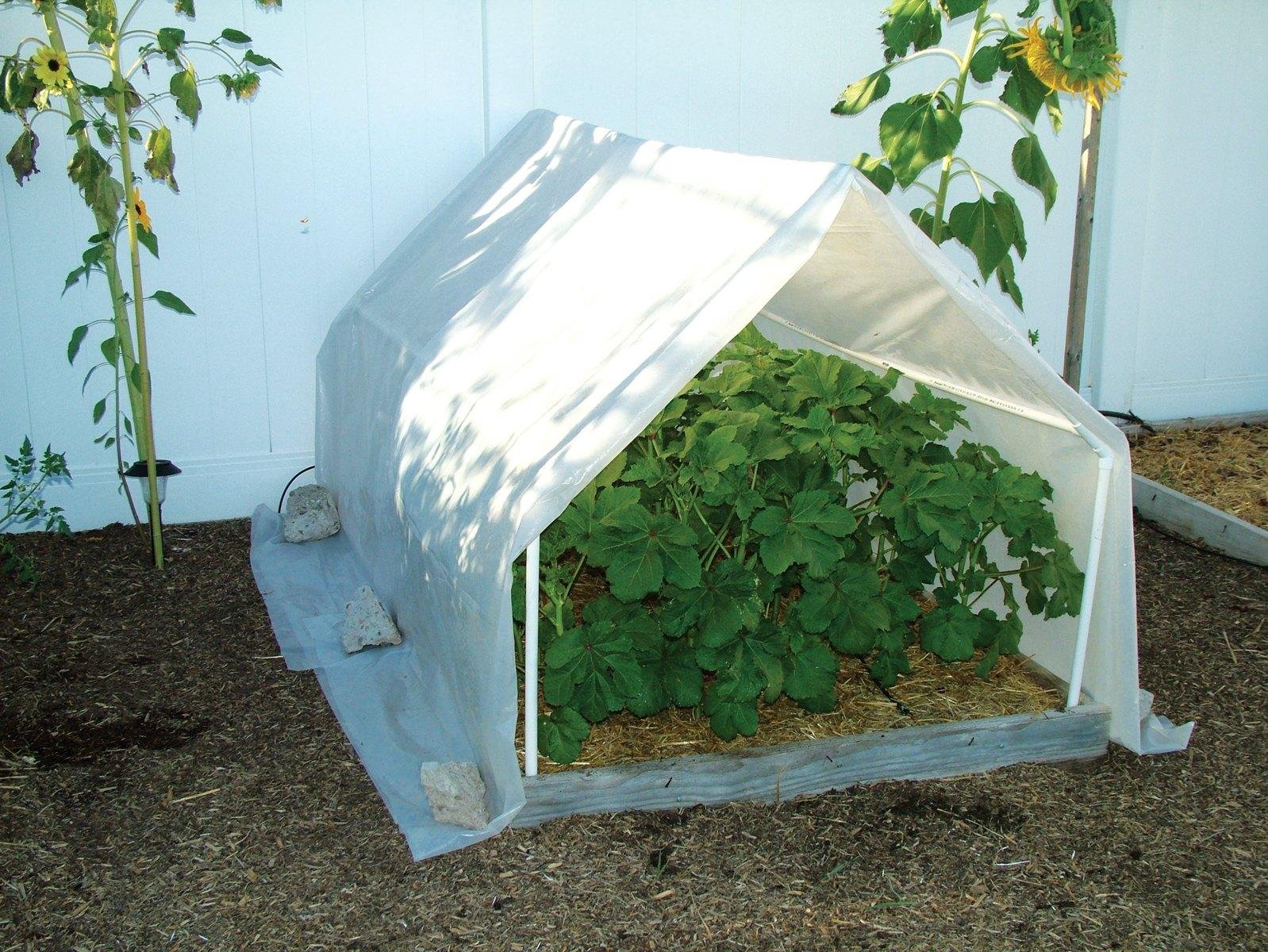
Simple greenhouse modules support seedlings between expansion stages.
Where savings arise
Savings come not from eliminating key systems, but from repeatability: a single water supply system, standard protective modules, in-house compost, in-house seedlings, and local biomass production.
| Source of savings | Effect |
|---|---|
| Local materials | reducing the cost of windbreaks and sand protection |
| Seaweed | partial replacement of purchased organics and minerals |
| Nursery | cheap replacement of dead plants and adaptation of species |
| Repeatable modules | fewer errors when expanding to new areas |
Honest conclusion
A 15-kilometer scale is only feasible if we transition from a one-time purchase of materials to an in-house production system: water → algae → compost → soil → nursery → planting → scaling up. It is this chain that transforms the project into sustainable infrastructure, rather than an expensive planting campaign.