DREVO: a minimal oasis
The low-budget version isn't for the sake of a pretty picture, but to test the principle on a small area: water, wind protection, microrelief, mulch, and several resistant species should begin to function as a single living module.
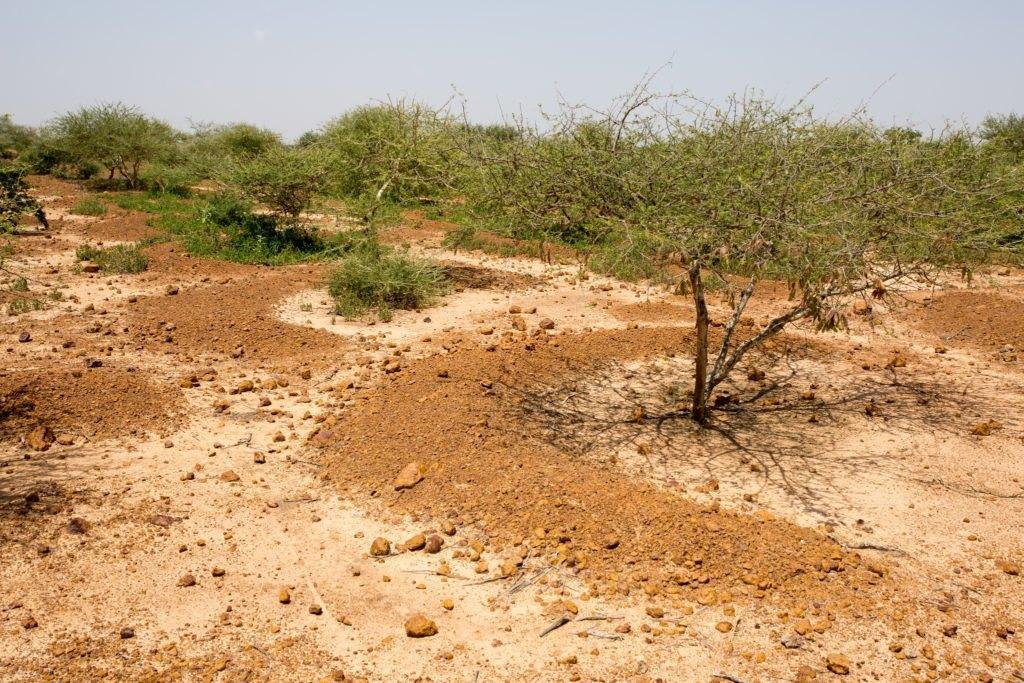
Why do you need a small module?
Test the system before scaling
A minimal oasis isn't a scaled-down version of the entire master plan. It's a test site where the most important connections are tested: how well it captures and retains moisture, dampens wind, nurtures the soil, and sustains the first plants without excessive expenditure.
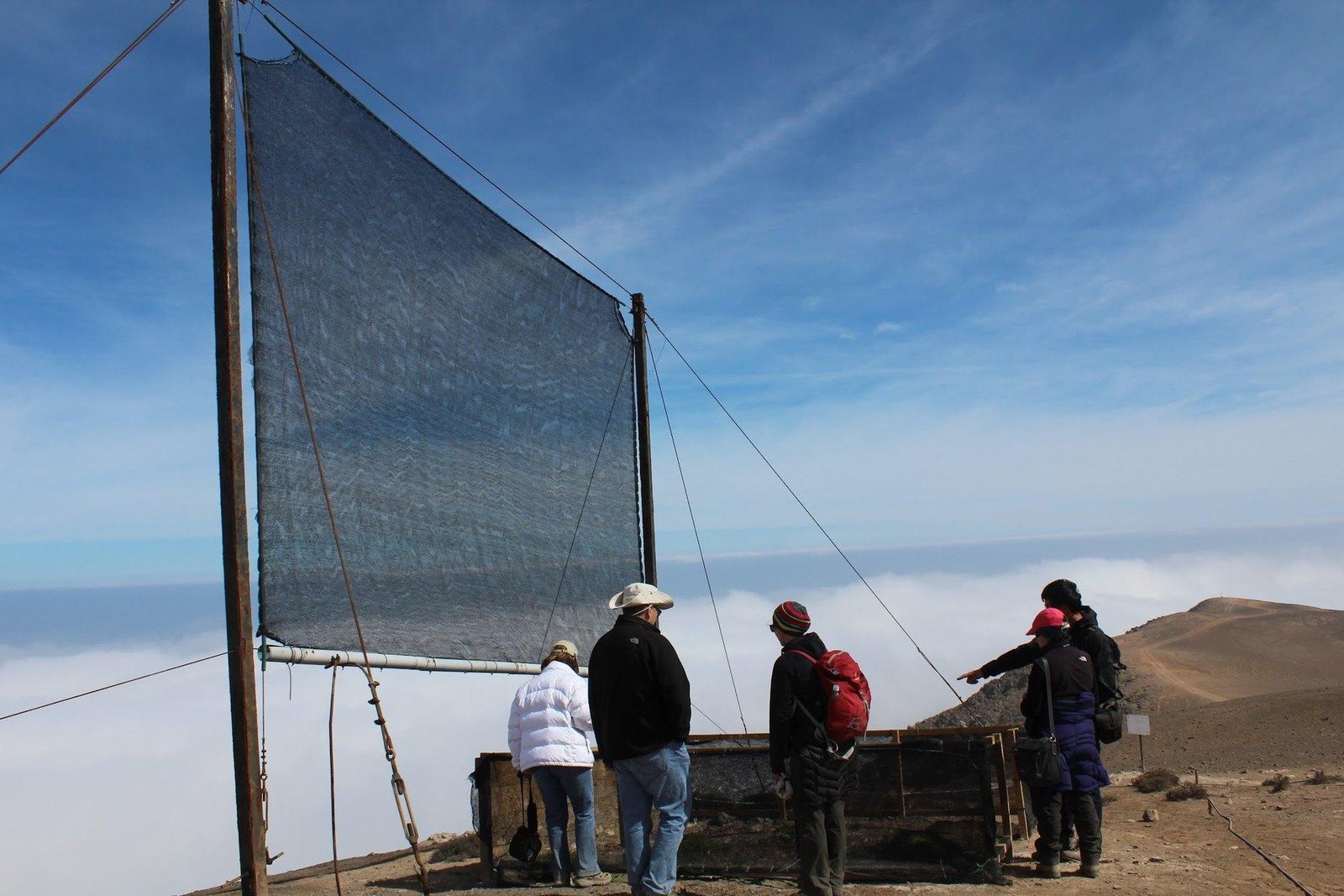
Even a simple mist eliminator can be your first source of controlled moisture.
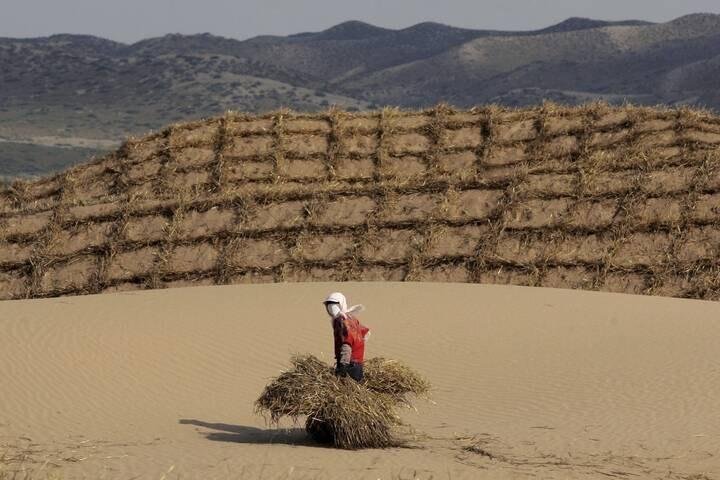
Inexpensive wind protection reduces sand velocity and evaporation at the surface.

Micro-pits and half-holes allow you to not spray water over an area, but to retain it at the planting points.
Minimum set
| Block | Budget solution | Task |
|---|---|---|
| Water | tank, drip line, fog and dew collection where possible | survive the first year and not lose plantings during dry periods |
| Protection | simple nets, windbreaks, sparse rows of tamarisk and acacia | reduce wind, sand, and salt stress |
| Soil | stones, mulch, compost pits, zai-holes | retain moisture and start the organic layer |
| Plants | Tamarix, Acacia, Atriplex, Ephedra, Opuntia | create a sustainable core without water-intensive species |
| Monitoring | simple measurements: survival, humidity, salt, wind | understand whether it is possible to repeat the module further |
What not to do at the start
A minimal oasis shouldn't start with ornamental trees, an orchard, or complex infrastructure. Without protected soil and readily available water, such elements will quickly become an expense rather than an asset. In the early stages, what matters is not the visual impact, but survivability and repeatability.
| Error | Why is this dangerous? |
|---|---|
| Planting many species at once | It's difficult to understand what exactly worked and what died due to an environment error. |
| Start with fruit crops | they require more water and protection than the launch module can provide |
| Ignore the wind | the wind dries the soil faster than plants can take root |
| Save on mulch | Without covering, water quickly drains away and the soil does not develop |
| Build too big | If you make a mistake, you lose the entire budget, not just one small test node. |
Plants for the first core
In a low-budget setup, plants primarily serve as infrastructure: they provide texture, shade, roots, organic matter, and protection. Harvesting and decorative effects occur later, when the system already holds water.
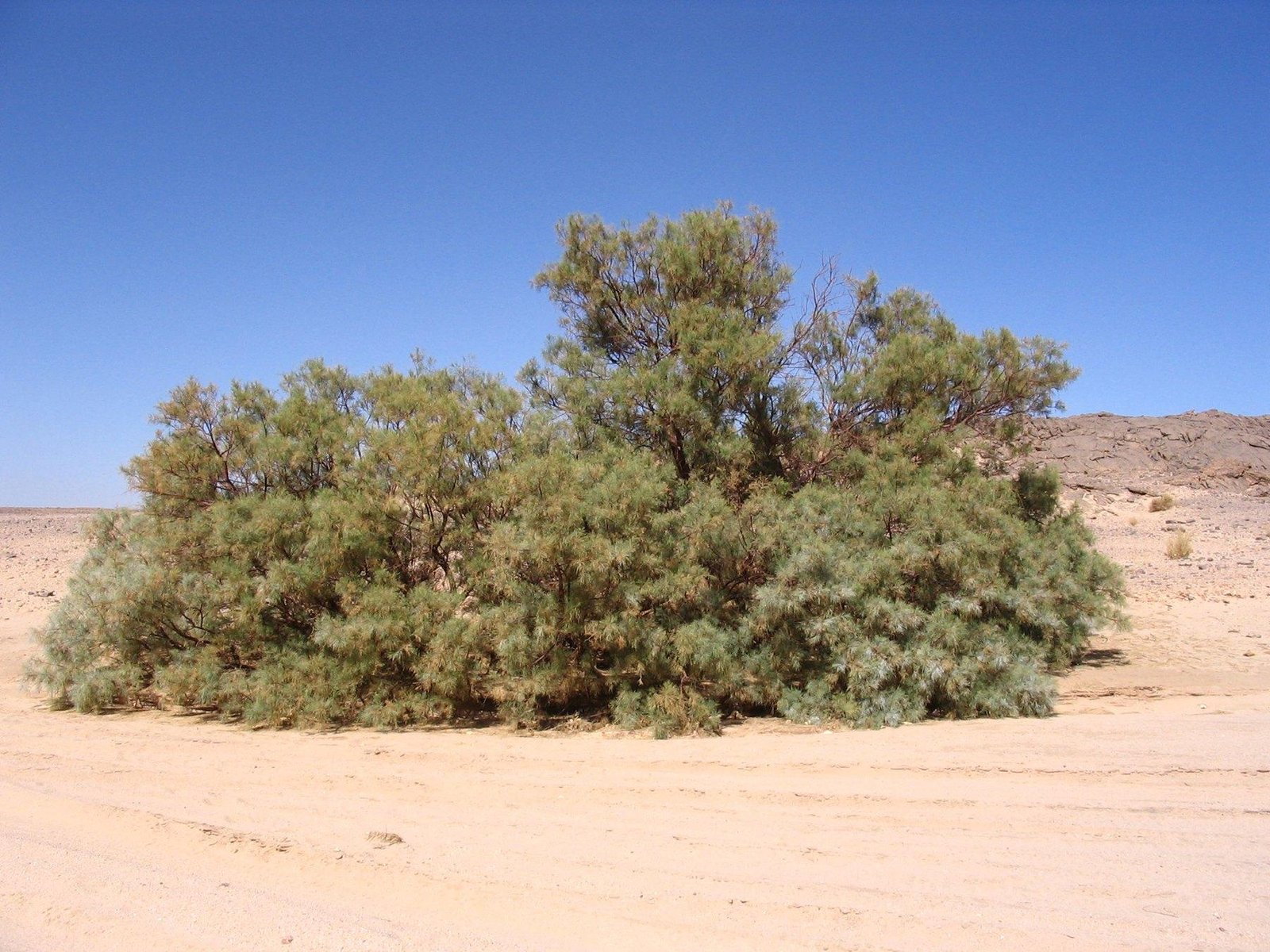
Tamarisk is suitable as one of the first living windbreaks in arid environments.
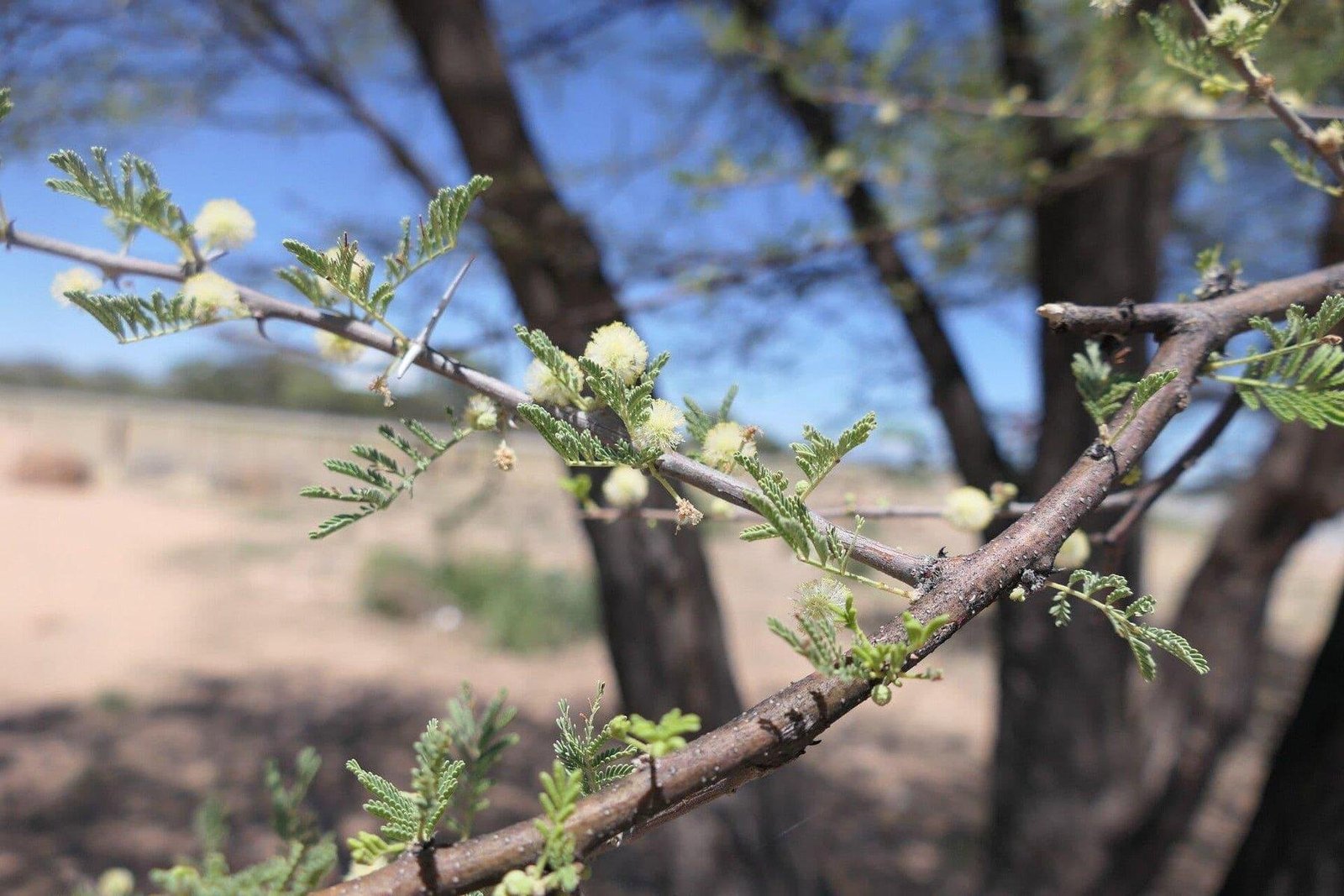
Acacia provides shade, root structure and a stable framework for the future microclimate.
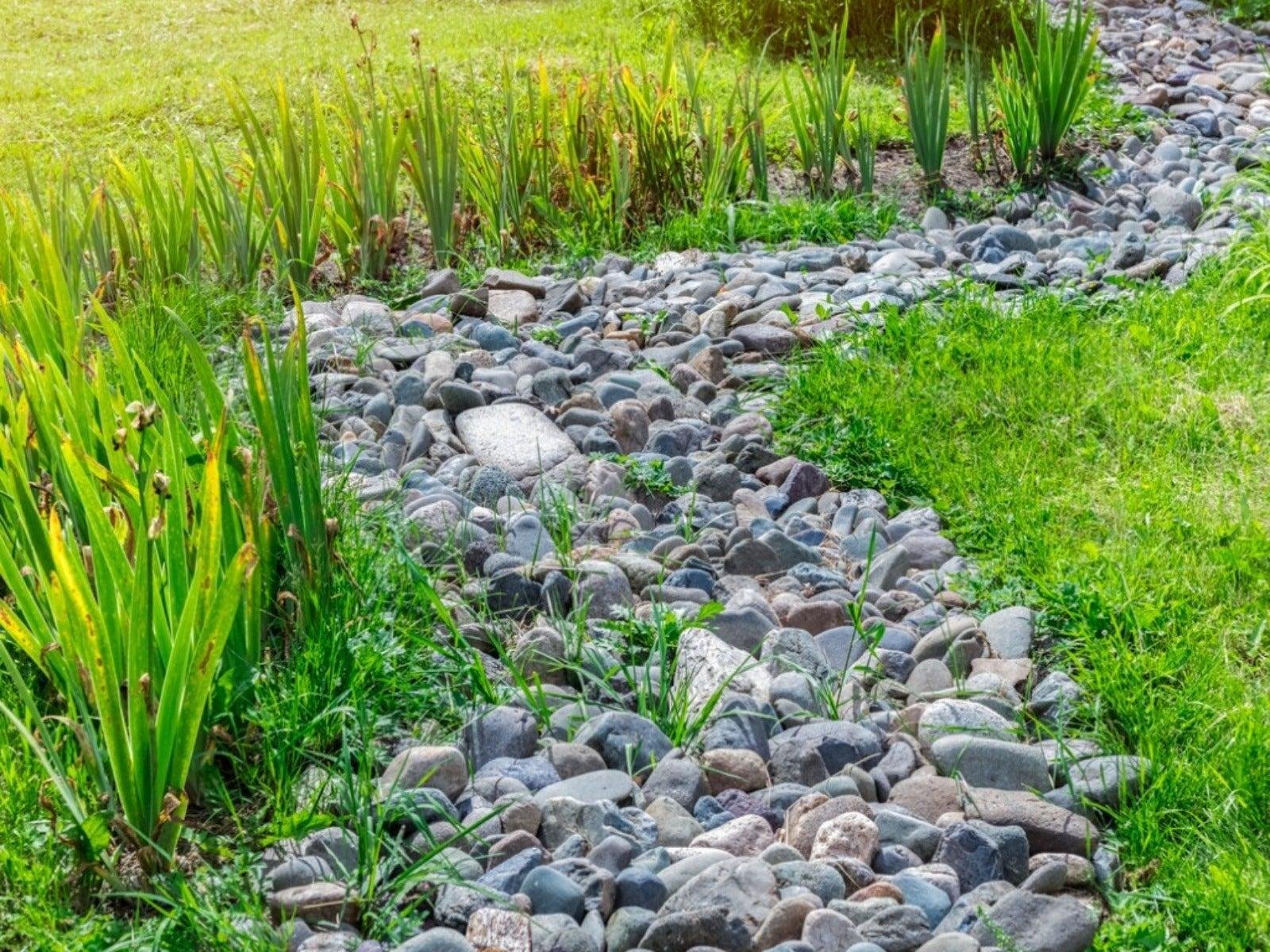
Rocks and low vegetation help retain moisture near the surface.
Work order
| Stage | What to do | Control result |
|---|---|---|
| 1. Marking | select a small area, mark the wind, sand, slope and future water points | the logic of the placement is clear |
| 2. Protection | install netting, simple windbreaks and temporary fencing | the wind near the ground becomes weaker |
| 3. Water | install a tank, drip line, and moisture collection points | there is a minimum manageable reserve |
| 4. Soil | add rocks, mulch, compost and planting holes | moisture stays longer after watering or misting |
| 5. Landings | plant only resistant species in small groups | a nucleus appears that can be observed |
| 6. Repetition | Repeat successful elements on a neighboring plot after a season | the model becomes scalable |
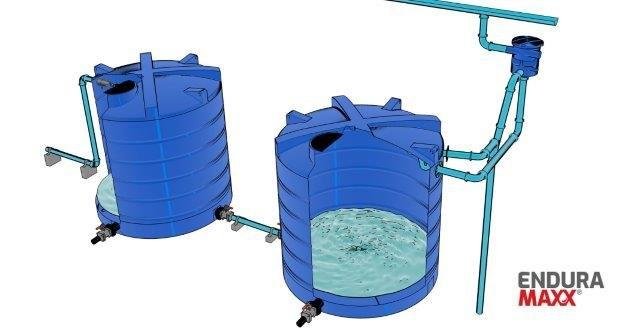
Water should be easy to maintain: a tank, a filter and a clear supply line.
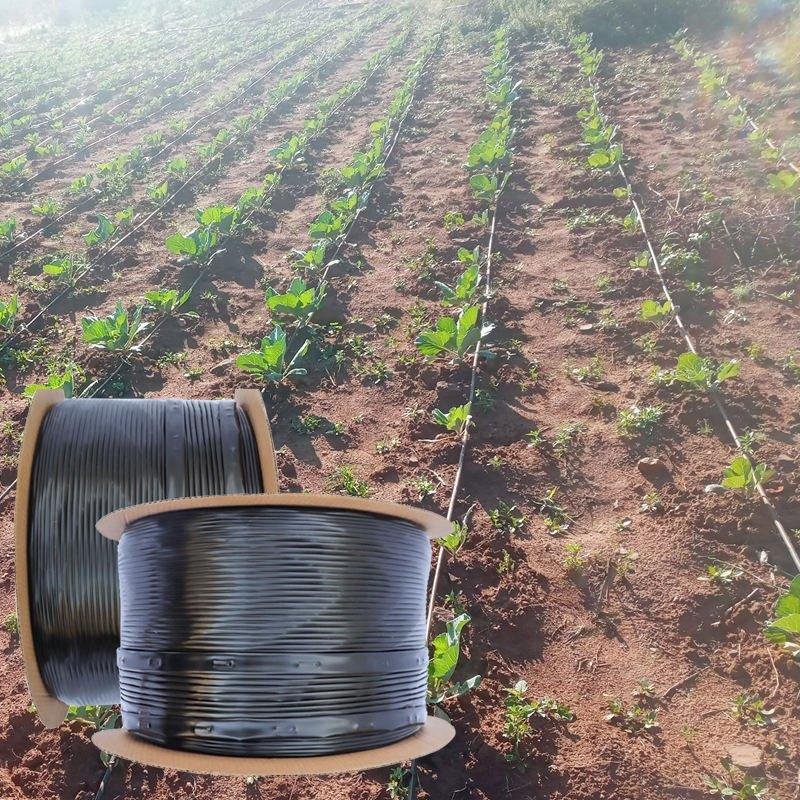
Drip irrigation is needed in a targeted manner to avoid creating a salt crust and wasting resources.
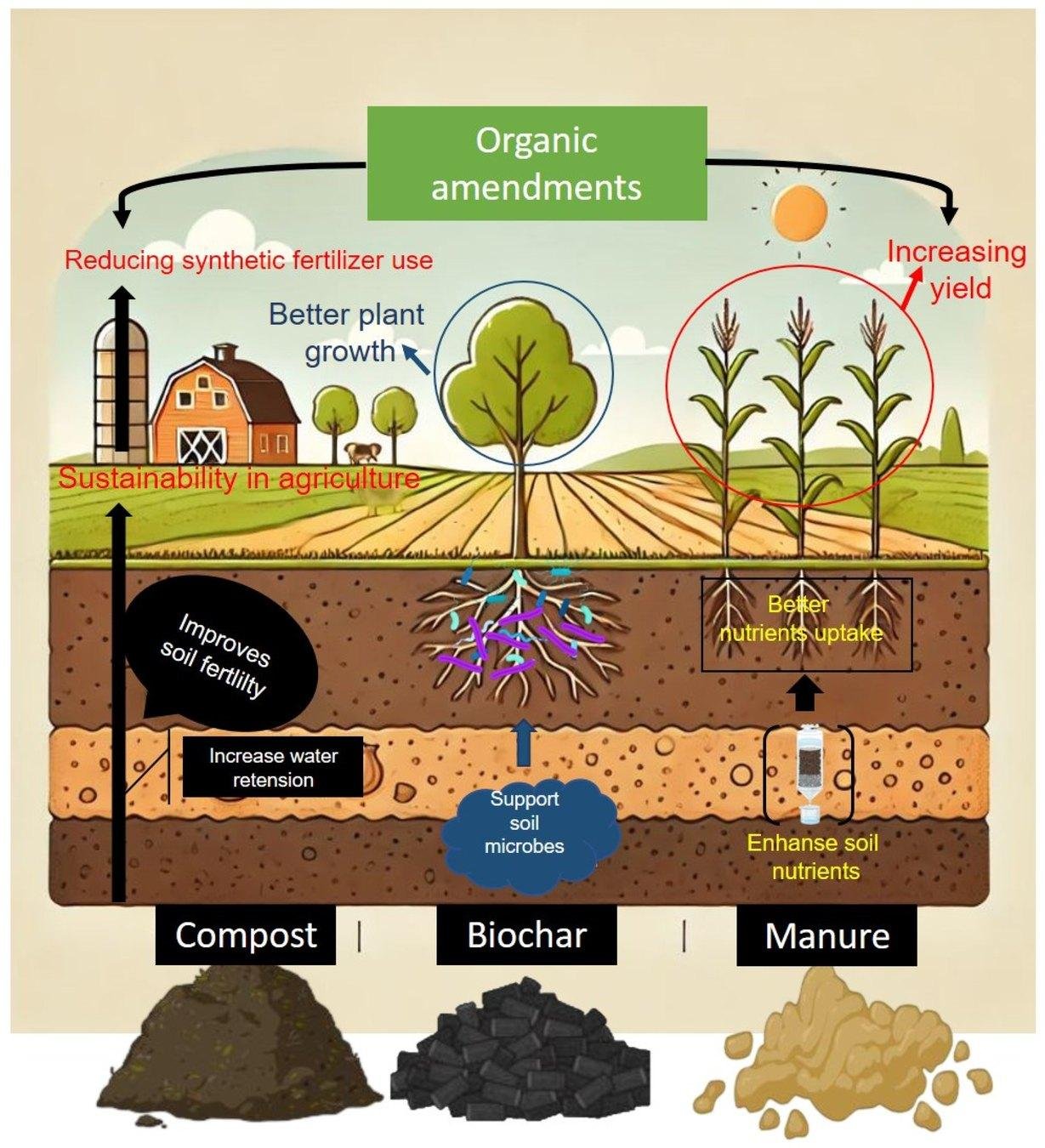
Organics and coatings transform sand into a surface capable of supporting life.
How to evaluate success
The success of a minimal oasis is measured not by the area of greenery, but by whether the conditions within the node have changed. If the wind is lower, moisture lasts longer, the plants survive the dry period, and the soil darkens and accumulates organic matter, the module can be repeated.
| Indicator | A good sign |
|---|---|
| Wind | at the surface it is noticeably quieter inside the protected area |
| Humidity | mulch and holes stay moist longer than open sand |
| Plants | most pioneer species survive |
| Soil | organic matter, roots, insects and biocrust appear |
| Scaling | the module can be repeated without completely redesigning the circuit |
Conclusion
A minimal oasis is the most sensible way to start DREVO without unnecessary risk. It shows where water actually holds, which plants tolerate the conditions, and what solutions can be carried further down the corridor.
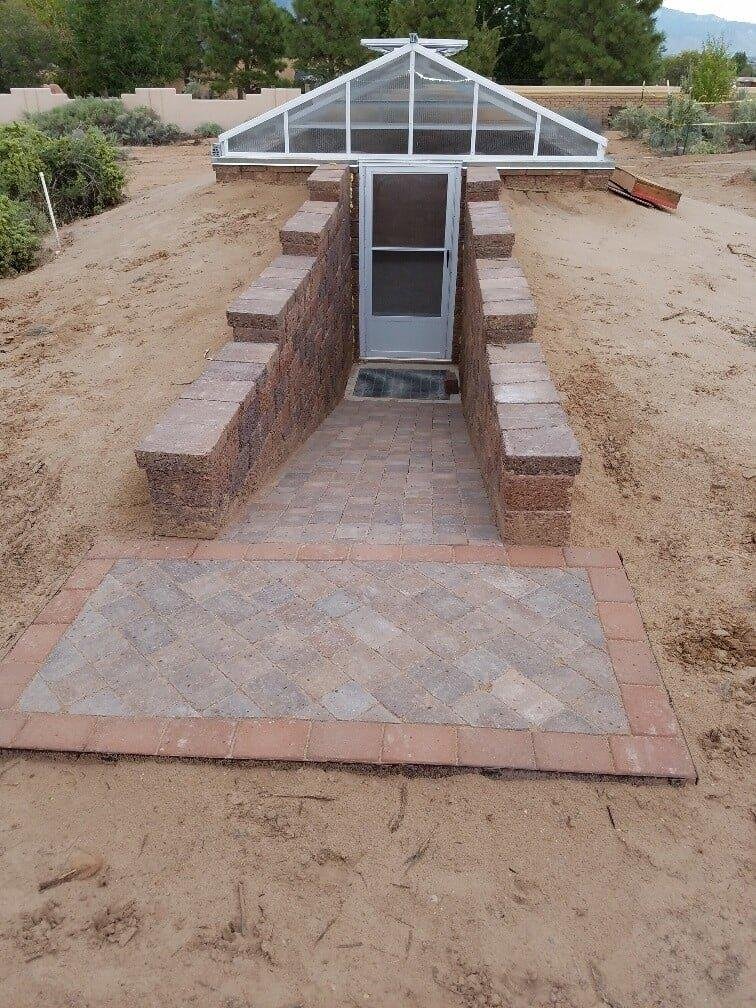
A protected location for seedlings reduces losses at the start.
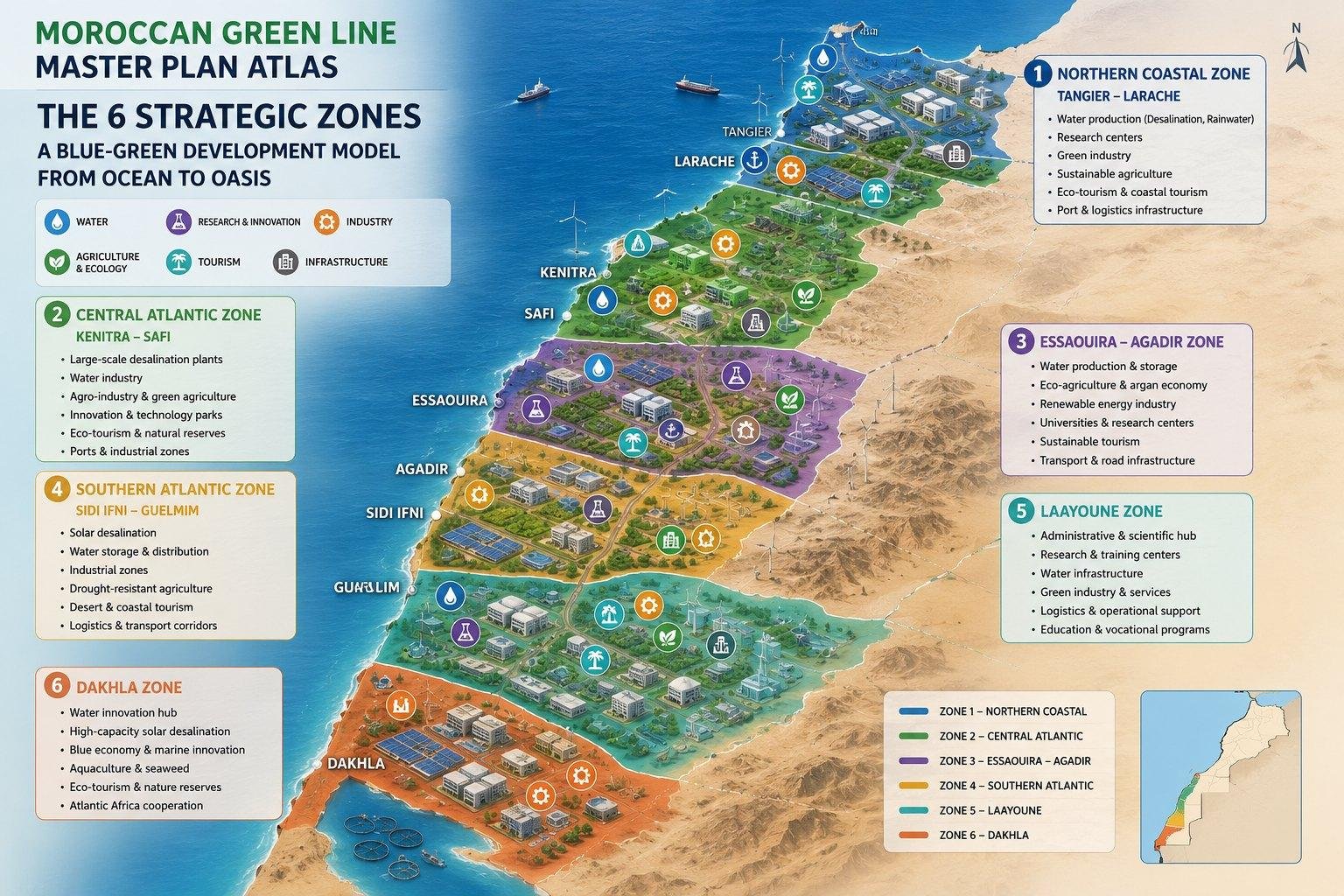
A minimum node is needed for testing before widening the corridor.