The maximum list of fruit trees by resistance levels
A comprehensive list of fruit trees, categorized by hardiness level. Important: not everything can be planted at once.
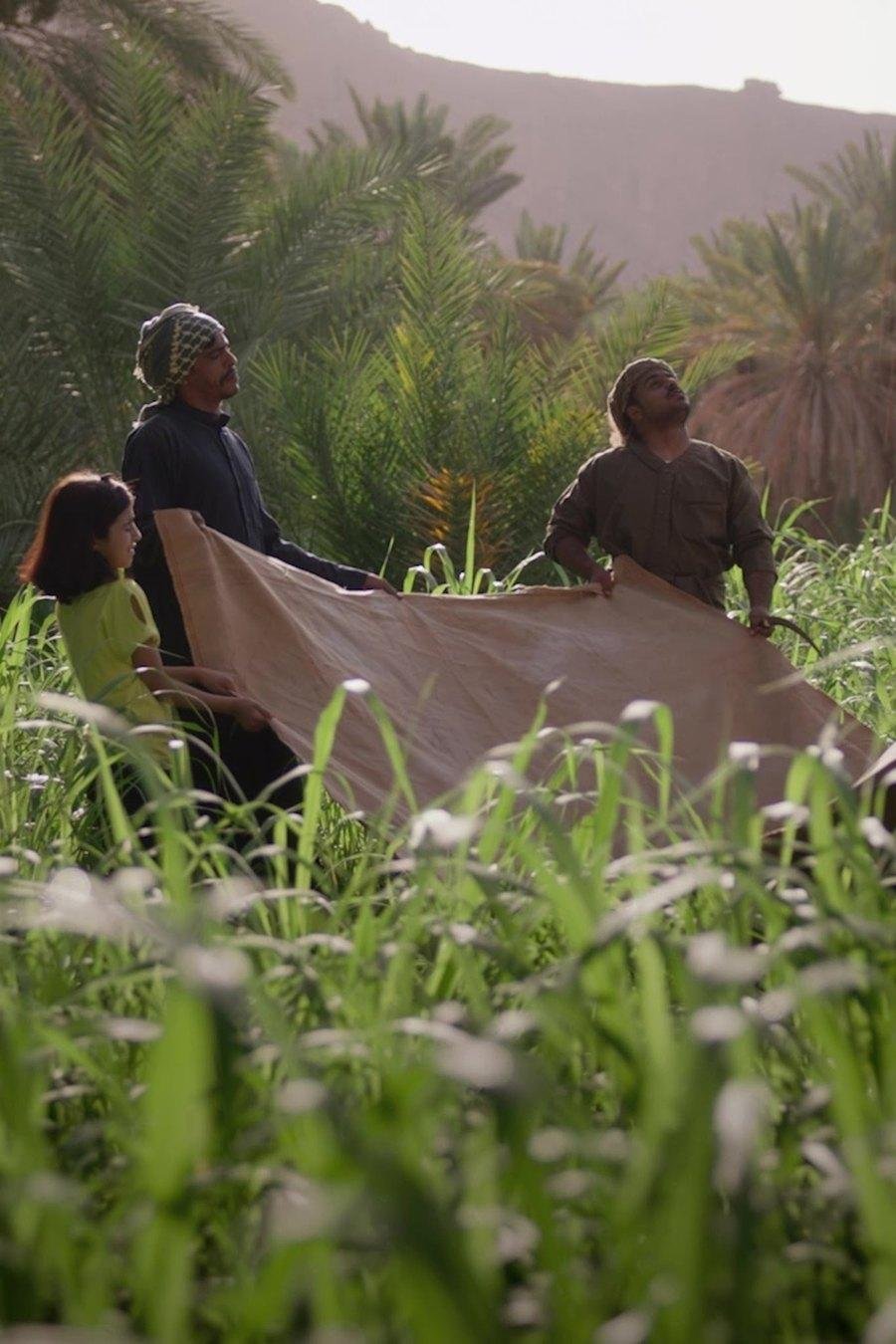
Not everything is planted at once
This article appears in the original immediately after "Fruit Trees for Shade" and before the full table of fruit trees. Its purpose is to categorize crops by hardiness and show the order of introduction: from basic oasis species to demanding and experimental ones.
Fruit trees function only as part of a system: water must be retained, soil must be sealed, wind must be reduced, and salt stress must be controlled. Therefore, the list is divided into layers rather than used as a single set for immediate planting.
Article images
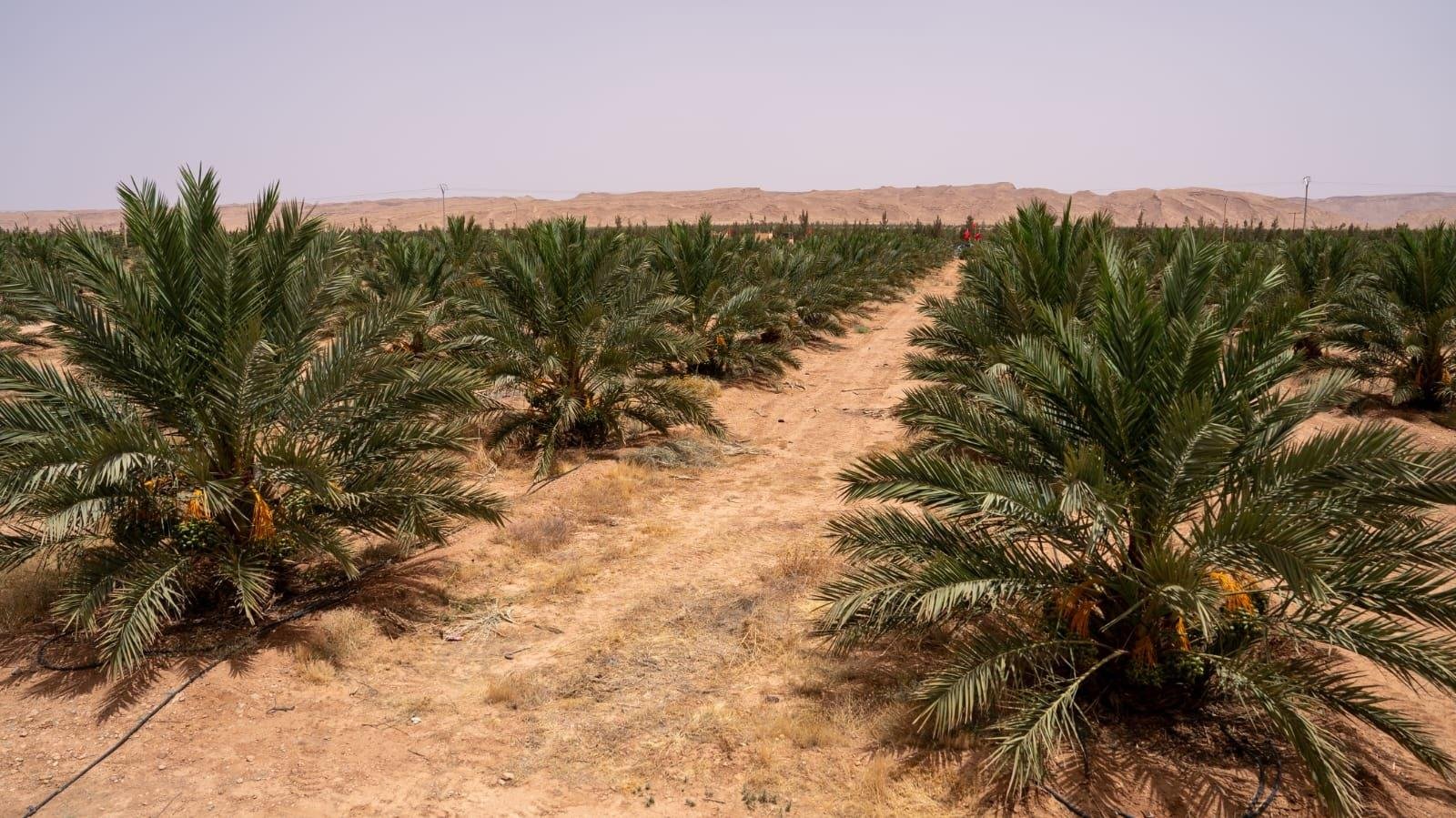
The date palm is the base of the oasis upper tier.
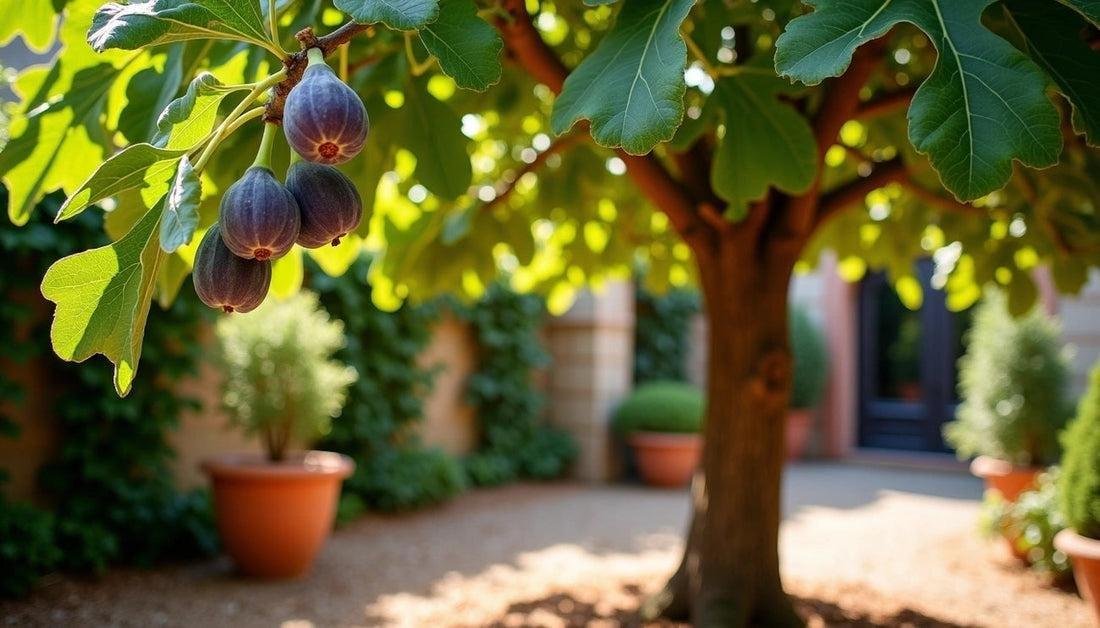
Figs are among the most resilient fruit crops.

Pomegranate tolerates heat and is suitable for early productive rows.
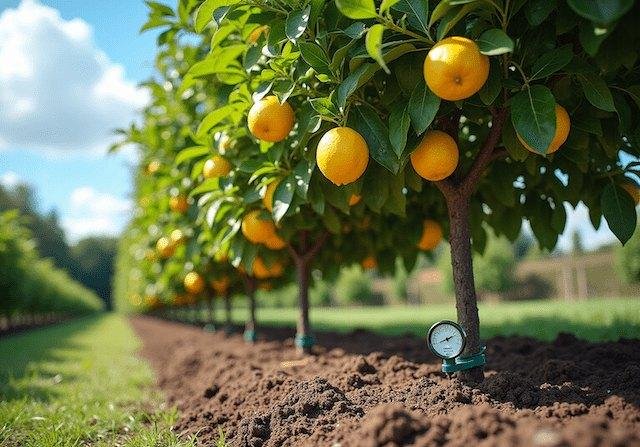
Citrus fruits can only grow in water, shade and low salinity.
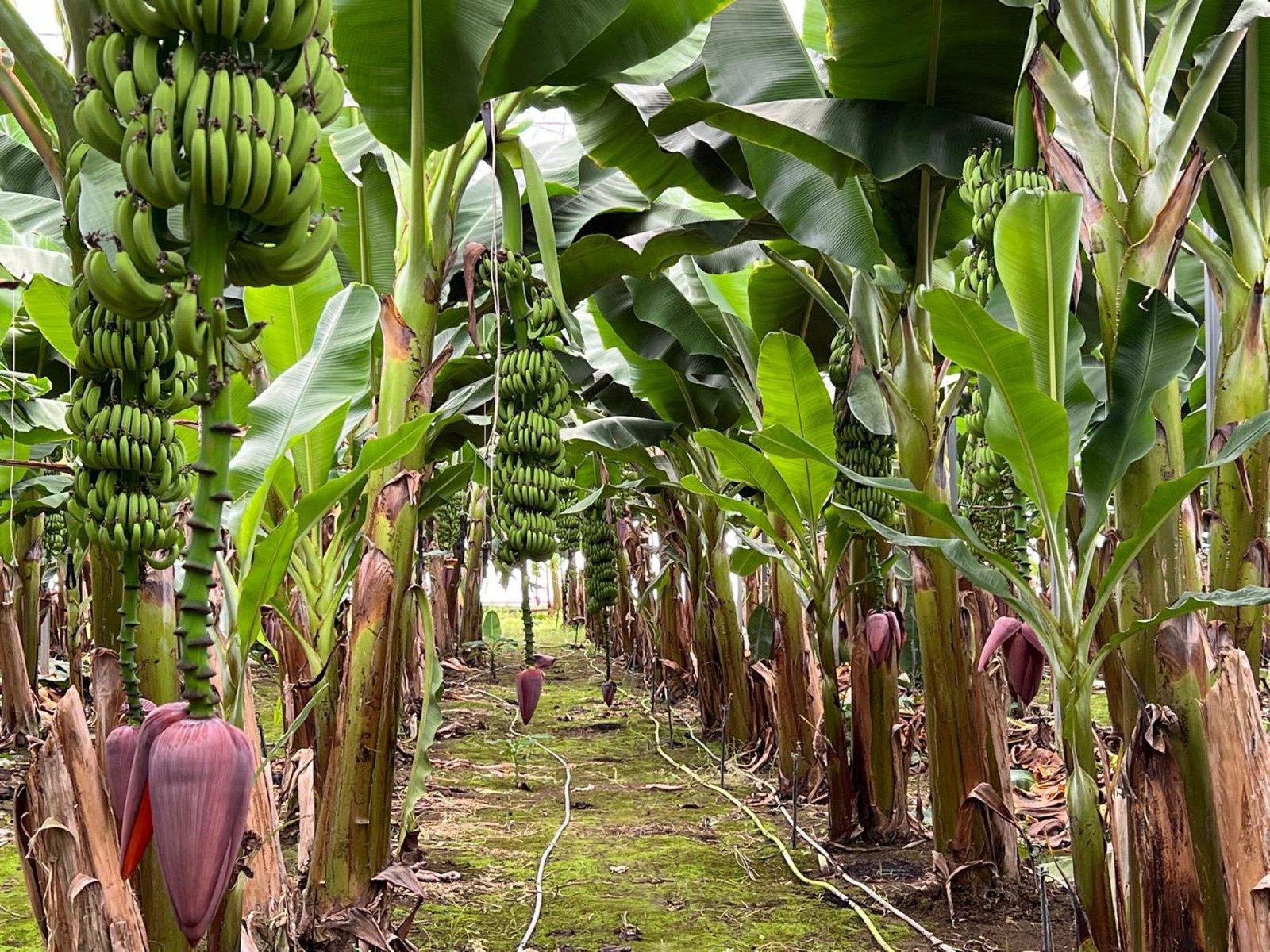
Banana is a crop of developed microclimate, not of start.
Level 1 - Basic
The most reliable species even with weak watering.
| View | Latin name | Water | Comment |
|---|---|---|---|
| Date palm | Phoenix dactylifera | low-medium | founded the oasis |
| Fig | Fig tree | low | very stable |
| Pomegranate | Pomegranate | low | tolerates heat |
| Ziziphus | Ziziphus mauritiana | very low | almost wild tree |
| Ziziphus Christov | Ziziphus thorn-of-christ | very low | super-resistant |
| Mulberry | White / black mulberry | low | growing quickly |
Level 2 - Tolerant to watering
| View | Latin name | Water | Comment |
|---|---|---|---|
| Olive | European olive tree | low-medium | classic of dry regions |
| Grape | Wine grapevine | average | better in the shade |
| Almond | Sweet cherry | average | requires drainage |
| Carob | Ceratonia siliqua | low | very stable |
| Peach | Peach tree | average | when defending |
| Apricot | Prunus armeniaca | average | sensitive to heat |
| Plum | Prunus domestica | average | care is needed |
Level 3 - Requires water and supervision
| View | Latin name | Water | Comment |
|---|---|---|---|
| Orange | Citrus sinensis | medium-high | requires salt control |
| Lemon | Citrus limon | medium-high | sensitive |
| Mandarin | Citrus reticulata | average | better in the shade |
| Grapefruit | Citrus paradisi | average | heat-resistant |
| Banana | Musa spp. | high | only in microclimate |
| Papaya | Carica papaya | medium-high | growing quickly |
| Mango | Mangifera indica | medium-high | requires protection |
| Guava | Psidium guajava | average | adaptive |
Level 4 - Exotic
| View | Latin name | Water | Comment |
|---|---|---|---|
| Avocado | Persea americana | high | only with stable water |
| Lychee | Litchi chinensis | high | difficult |
| Passion fruit | Passionflower | average | like a liana |
| Dragon fruit | Hylocereus spp. | low-medium | fits perfectly |
| Tamarind | Tamarindus indica | average | sustainable |
| Sapodilla | Manilkara zapota | average | loves warmth |
How to use the list
| Phase 1 dates, figs, pomegranates. | Phase 2 fig, pomegranate, jujube. | Phase 3 date palm and grapes. | Phase 4 citrus, mango and other experiments. |
|---|
Approximate water consumption shows the logic: dates - 20-40 liters per week, figs - 10-20 liters, citrus - 30-60 liters, bananas - 50-100 liters. Therefore, the system must retain water, not just supply it.
Editorial conclusion: Multi-tiered fruit gardening in the desert is possible, but only as a consequence of a sustainable system.