How trees "drink" from the air
Fog condensation, leaf moisture absorption and soil water retention as a biological base for the riparian corridor.
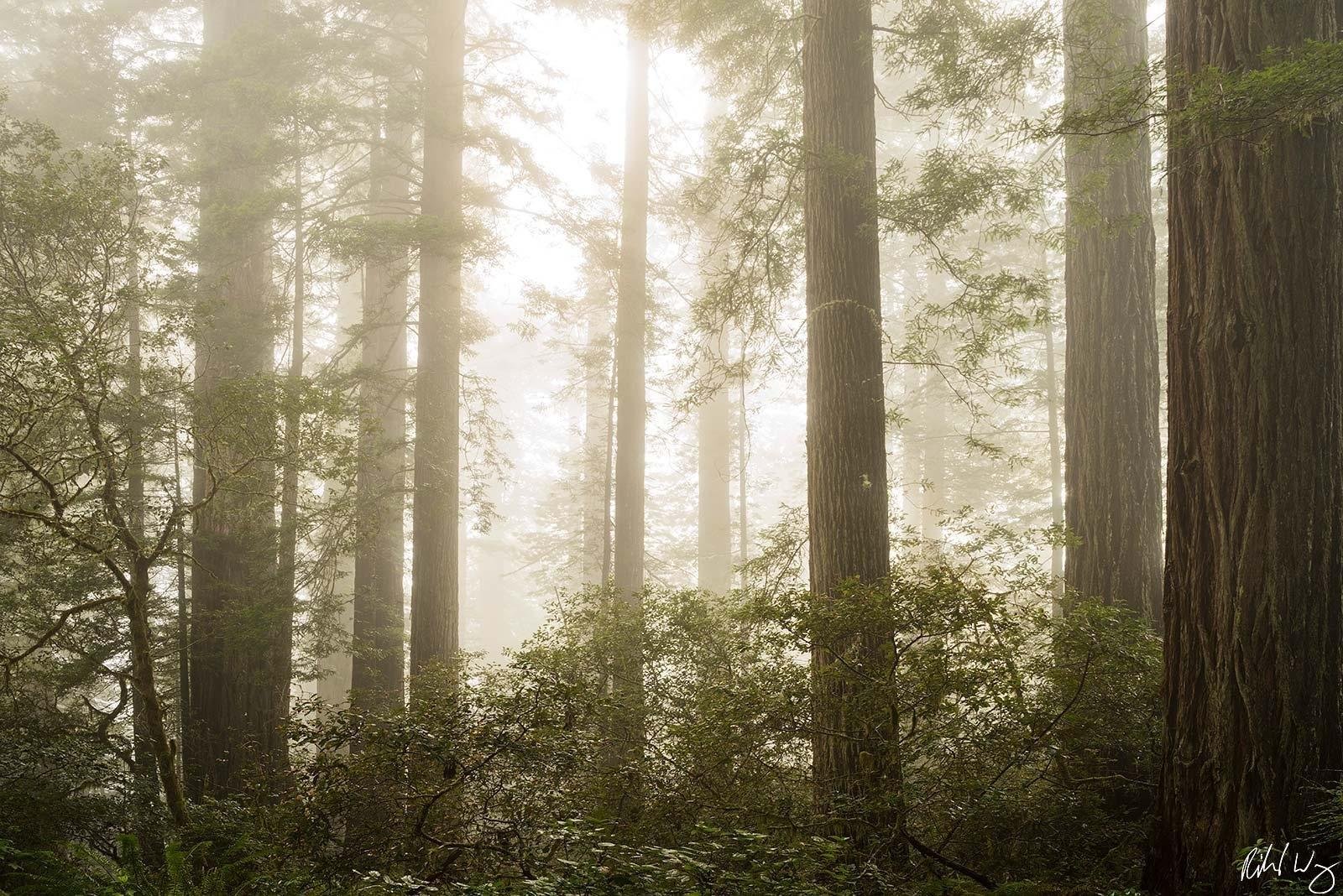
Not direct "drinking", but a water chain
The phrase "trees drink from the air" is a convenient metaphor, but for the DREVO project, it's important to understand it technically. A tree doesn't replace a water source or act as an atmospheric pump. It creates a surface on which fog, dew, and moist sea air turn into droplets and then fall into the soil.
In coastal areas, this mechanism is especially valuable: the ocean provides fog and nighttime humidity, the wind carries moisture ashore, and plants, rocks, nets, mosses, and biocrust help retain it near the roots. Therefore, plantings should be designed not as individual trees, but as part of an overall moisture collection and retention system.
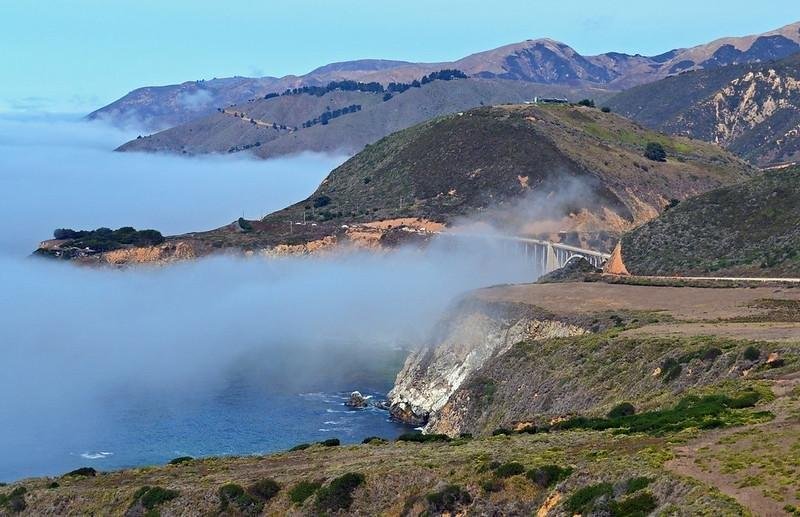
Ocean fog acts as a hidden water resource for the first line of the corridor.
Dew and fog provide small but regular supplies of moisture.
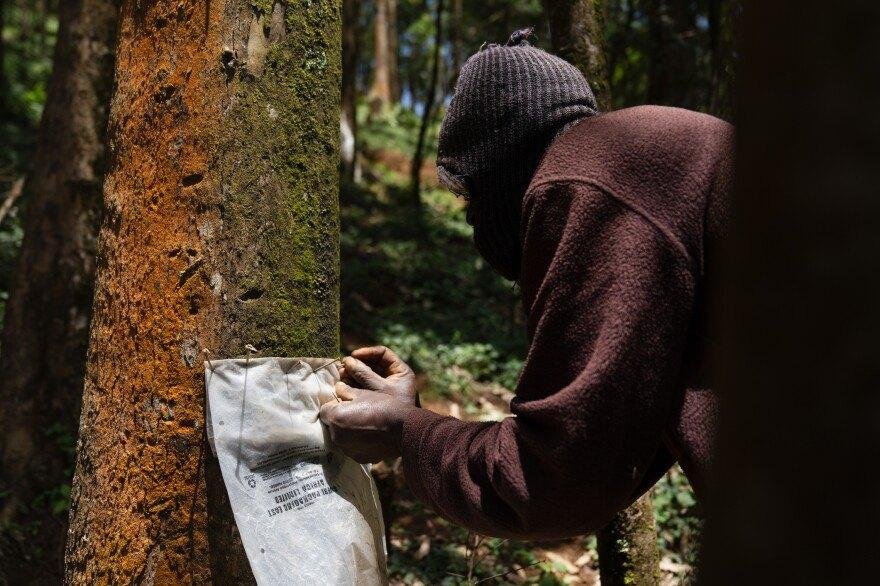
Bark, mosses and lichens retain moisture on the surface and slow down drying.
How moisture collection works
The main mechanism isn't the magical absorption of water by the tree, but a sequence of physical and biological processes. The more rough surfaces and the weaker the wind at ground level, the more droplets remain within the system.
| Stage | What's happening | Significance for the project |
|---|---|---|
| Fog | Moist air from the ocean passes through branches, leaves, nets, rocks and soil cover | creates a regular source of microdroplets without rain |
| Condensation | droplets settle on cold and rough surfaces | increases local humidity around plantings |
| Drainage | some of the water falls or flows down to the base of the plant | supports the root zone and planting hole |
| Retention | Mulch, stones, shade, moss, lichens and biocrust slow down evaporation | make moisture available longer |
| Microclimate | Plants reduce wind speed and surface temperature | enhance moisture re-accumulation at night |
Three mechanisms to consider
| Fog condensation Leaves, needles, branches, and nets act as natural fog traps. Droplets settle and migrate to the soil. | Limited leaf absorption In some species, leaves and stems can partially absorb moisture through the surface, but this does not replace root nutrition. | Mosses, lichens and biocrusts These organisms absorb water from the air, retain it in the top layer and create the basis for soil restoration. |
|---|
Practical conclusion: for a coastal desert, it is not just one planting that is important, but the “fog-surface-drop-soil-roots-shade-wind protection” connection.
Examples of natural analogues
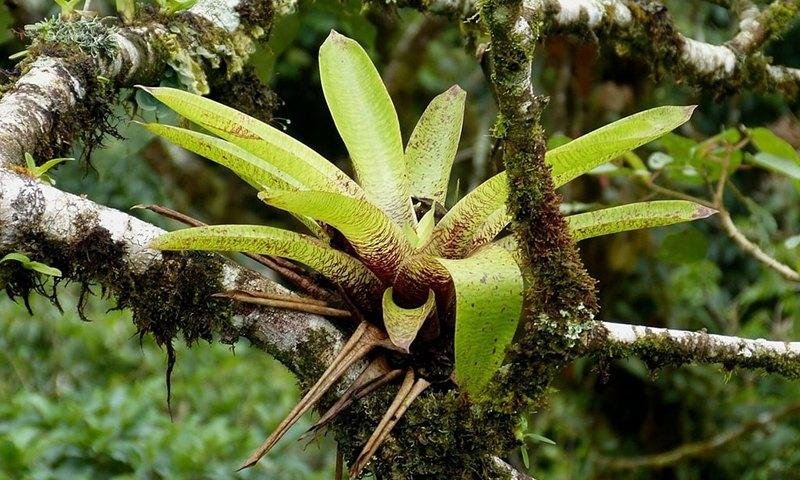
In cloud forests, persistent fog supports plants even with limited rainfall.
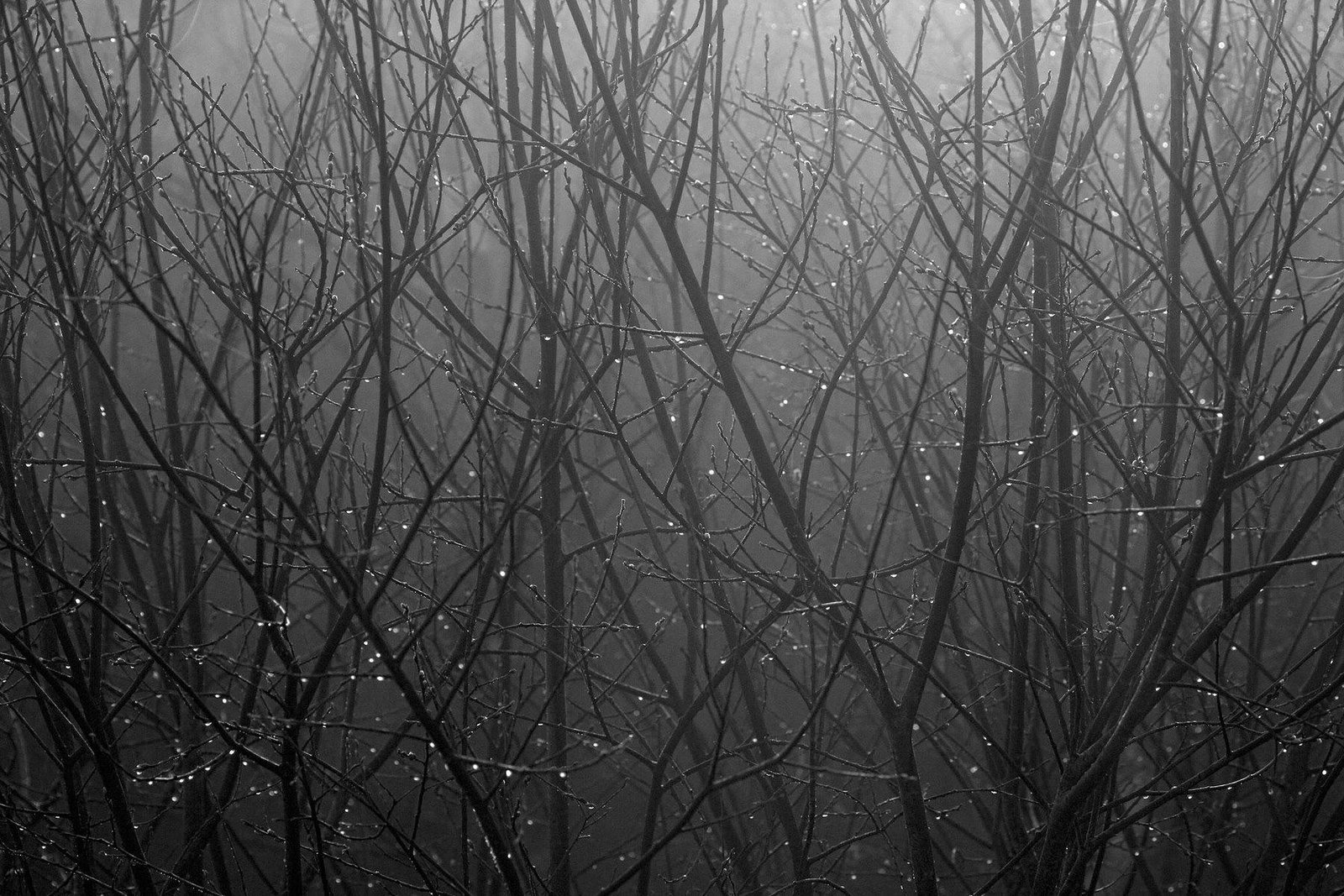
Needles, branches and fine crown structure increase the area of droplet deposition.
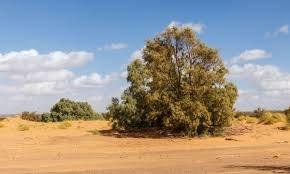
Tamarisk is important for DREVO as a salt- and wind-resistant first-line species.
| Example | What does it show? | How to use in DREVO |
|---|---|---|
| Sequoia and cloud forests | Part of the water balance can be maintained by fog | a large droplet deposition area is important |
| Cloud forest trees | fog may become a regular climate resource | density, shade and protection from the wind are needed |
| Tamarisk | withstands drought, salt, wind and poor soil | suitable for starting biobarrier |
| Mosses and lichens | quickly absorb moisture from the air and retain it on the surface | needed as part of the soil cover and biocrust |
What does this mean for the project?
Ordinary trees cannot survive in such an environment with only moist air. The starting corridor requires extremely hardy species, temporary irrigation, wind protection, surfaces for condensation, and covered soil.
| Tree creates a surface for fog to settle, provides shade and gradually reduces soil overheating. | Soil must be covered with stone, mulch, bio-crust or plant cover, otherwise the moisture will evaporate quickly. | Wind protection Nets, tamarisk, acacia and shrubs reduce air velocity and increase droplet settling. |
|---|
DREVO's powerful idea: plants don't just consume water. With the right system, they become biological moisture generators: they cool the surface, collect water droplets, slow the wind, and return moisture to the soil.
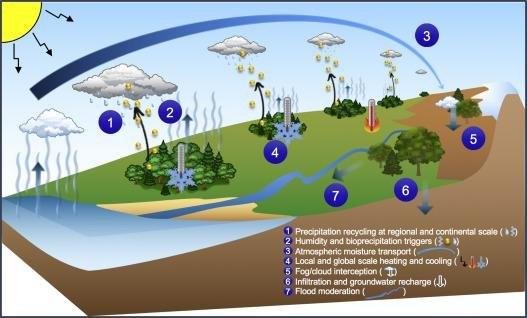
The project chain: the fog settles, turns into droplets, enters the soil and supports the roots.
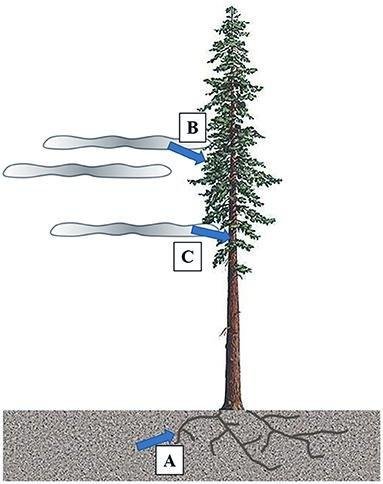
The tree functions as part of the catchment surface rather than as an independent water source.