Landing zones
Fruit crops in the coastal Sahara are planted not by choice, but by protection. First comes the ocean, then a salt-resistant barrier, a windbreak, and only then the fruit groups.
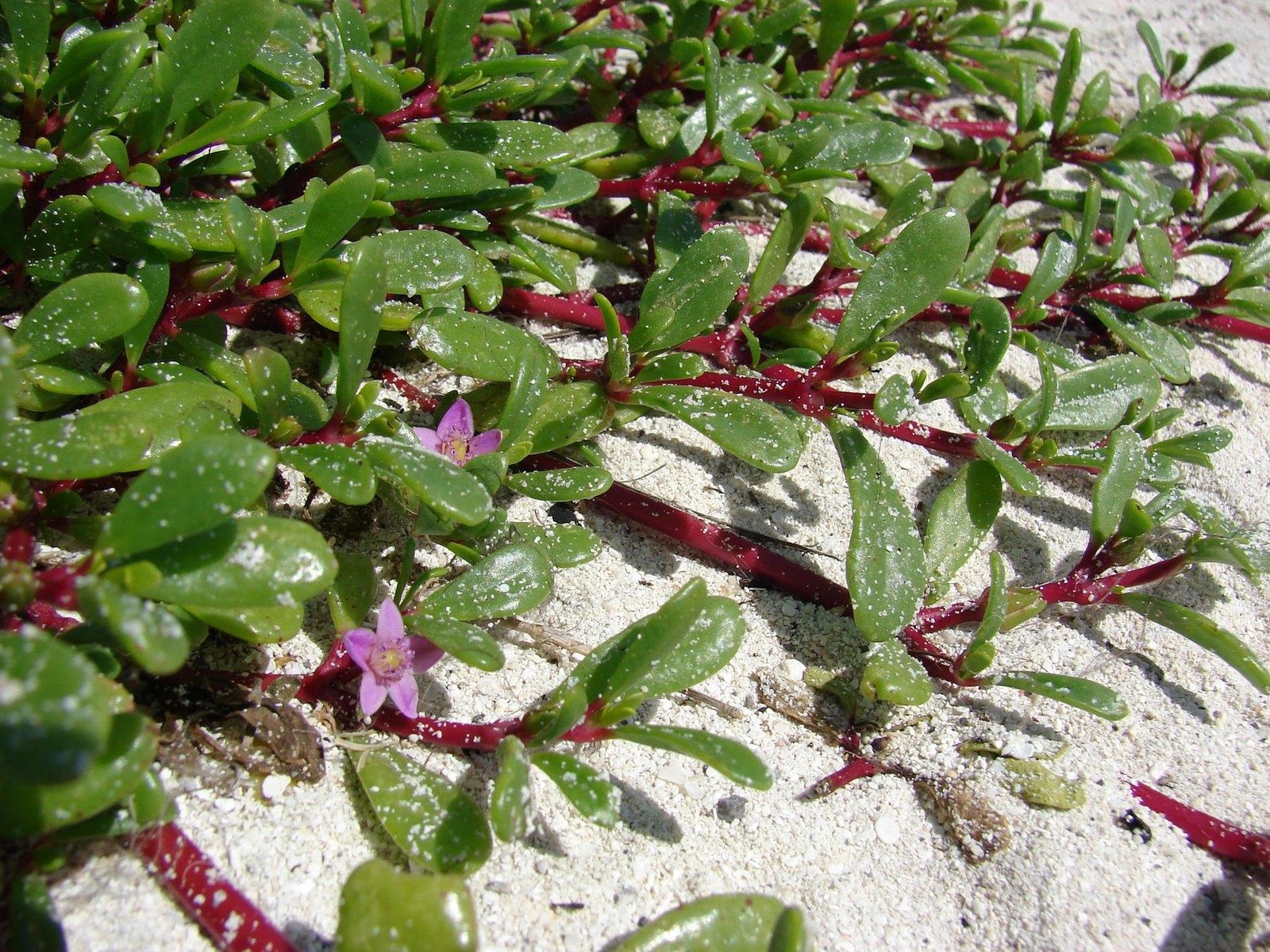
Practical placement of crops
The main principle
On the coast, fruit trees are planted according to the following scheme: ocean → salt-resistant barrier → windbreak → fruit trees. The reason is simple: sea aerosols and salty wind damage the leaves, and a properly designed filter belt reduces the load on the leeward side.

The filter barrier reduces salt aerosol and wind speed.
Fruit crops become more reliable only within a protected microclimate.
How to calculate the distance from a barrier
The basic unit of calculation is the height of the first protective line. We'll denote it as H. If the salt-tolerant belt of tamarix, casuarina, or other tolerant species reaches 4 m, then the distances for fruit trees are calculated as multiples of this height.
| Zone behind the barrier | Distance | Practical meaning |
|---|---|---|
| 1.5-2H | the beginning of a strong defense | still close to the barrier; shade, turbulence, and root competition are possible |
| 3-6H | comfort zone | the optimal part for many resistant and moderately sensitive fruit crops |
| 6-10H | far protected zone | better for sensitive crops, especially with a second internal screen |
Converting H to meters
In this table, H denotes the height of the first protective belt: a line of tamarisk, atriplex, acacia, casuarina, or a mixed shrub-tree barrier. The distance is measured not from the ocean, but from the inner edge of the protective line toward the site.
The higher and denser the barrier, the further behind it the calm downwind zone forms. Therefore, for a 4-meter-high belt, the working distances are considered to be 6-8 meters, 12-24 meters, and 24-40 meters; for a 6-meter belt, these zones expand to 9-12 meters, 18-36 meters, and 36-60 meters.
| Belt height | 1.5-2H | 3-6H | 6-10H |
|---|---|---|---|
| 3 m | 4.5-6 m | 9-18 m | 18-30 m |
| 4 m | 6-8 m | 12-24 m | 24-40 m |
| 5 m | 7.5-10 m | 15-30 m | 30-50 m |
| 6 m | 9-12 m | 18-36 m | 36-60 m |
Practical conclusion: the first 1-2 hours near the belt are usually best reserved for groundcover plants, a utility lane, or very resistant species. It's safer to start primary fruit crops in the 2-4 hours, while more sensitive crops should be moved to the 3-6 hours zone and beyond.
Fruit groups by planting location
| Group | Where to place | Examples |
|---|---|---|
| The most stable | 2-4H behind the first salt-tolerant barrier under drip irrigation and closed soil | fig, pomegranate, jujube, prickly pear, date palm |
| Moderately sensitive | 3-6H in a safe downwind zone | olive, grape, mulberry, carob, almond |
| Sensitive | 5-8H, and for the most delicate ones 8-10H plus a second shrub screen | citrus, mango, guava, papaya, avocado |

Pomegranate is a resistant fruit and can be harvested earlier than citrus fruits.
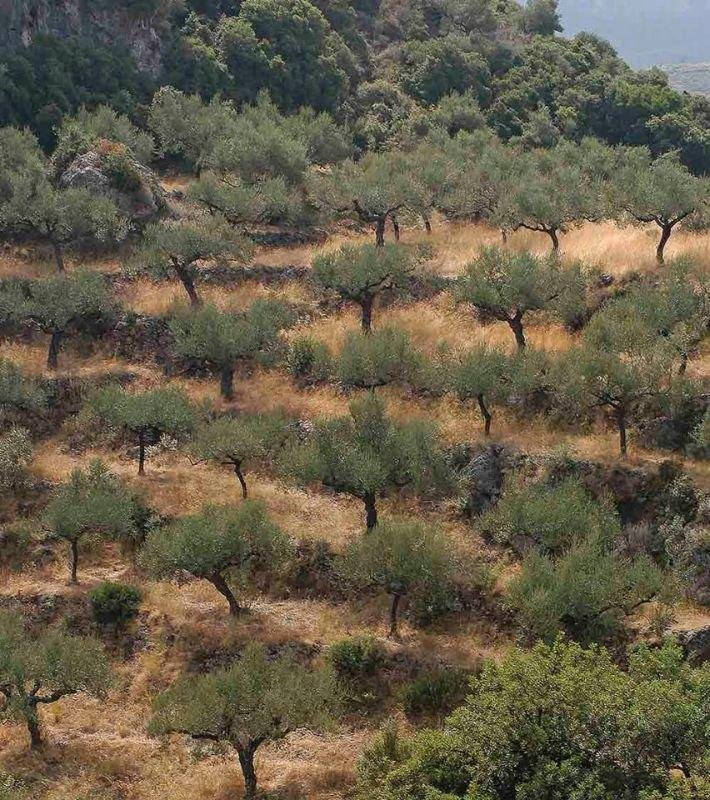
The olive tree thrives in a more sheltered area where salt and wind are already weakened.
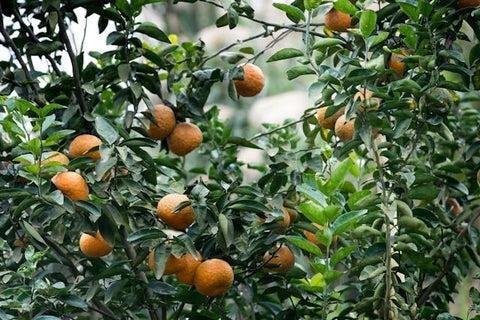
Citrus fruits require a more distant protected area and water salinity control.
If you count from the ocean
Without a precise location, this is only a guide, but for the open Atlantic coast, logic should be conservative. The closer to the ocean, the more significant are salt aerosols, turbulence, and direct sea winds.
| Zone from the coastline | What to post |
|---|---|
| 0-30 m | only salt-tolerant shrubs and barrier species |
| 30-80 m | Tamarix, Casuarina, Atriplex, Salvadora and protective rows |
| 80-150 m | fig, pomegranate, jujube, prickly pear, date |
| 150-250 m | olive, grape, mulberry, carob |
| 250 m+ | citrus; next - mango and guava with good water and soil |
Practical advice for the pilot
| Line | Role | Species/Cultures |
|---|---|---|
| 1st line by the sea | accepts salt and wind | Tamarix, Atriplex, Suaeda, Casuarina |
| 2nd line | additional protection and biological framework | Acacia, Salvadora, resistant shrubs |
| 12-20 m behind the barrier | the first stable fruit | fig, pomegranate, jujube |
| 20-35 m | moderately resistant crops | olive, grape, mulberry |
| 35-60 m | more sensitive crops | citrus fruits |
| 60 m+ | experimental zone | mango, guava, avocado only with good watering and soil |
Key amendment
The biggest mistake is to count only horizontal distances. In reality, four factors are more important: the barrier's height, its density, the prevailing wind direction, and the salinity of the irrigation water.
A filter belt works better, as it dampens the wind without creating a harsh flow rebound.