The best algae for soil formation
For coastal desert soil restoration, seaweeds are valuable as a quick source of nitrogen, micronutrients, organic matter, and water-retaining structure. A mixture rather than a single species provides the best results: Ulva for rapid initiation, Gracilaria for structure, and Sargassum/Fucus for minerals.
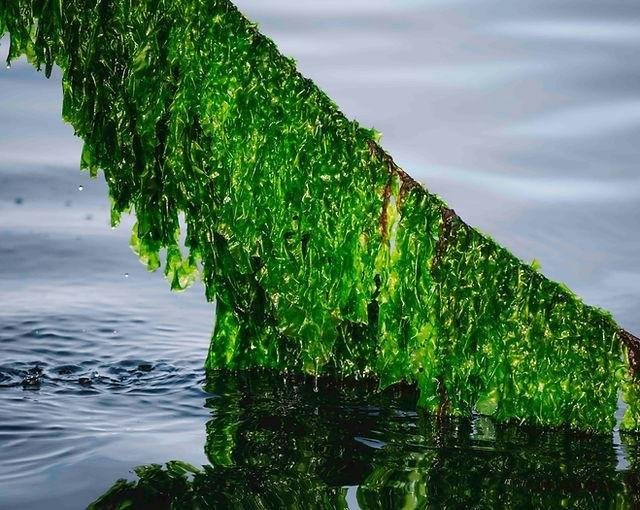
Marine biomass soil
Rating of types for soil start-up
In DREVO's design logic, algae don't replace soil, but rather accelerate its formation. They provide organic matter, food for microbes, and a mineral base for compost, mulch, trenches, and liquid fertilizers.
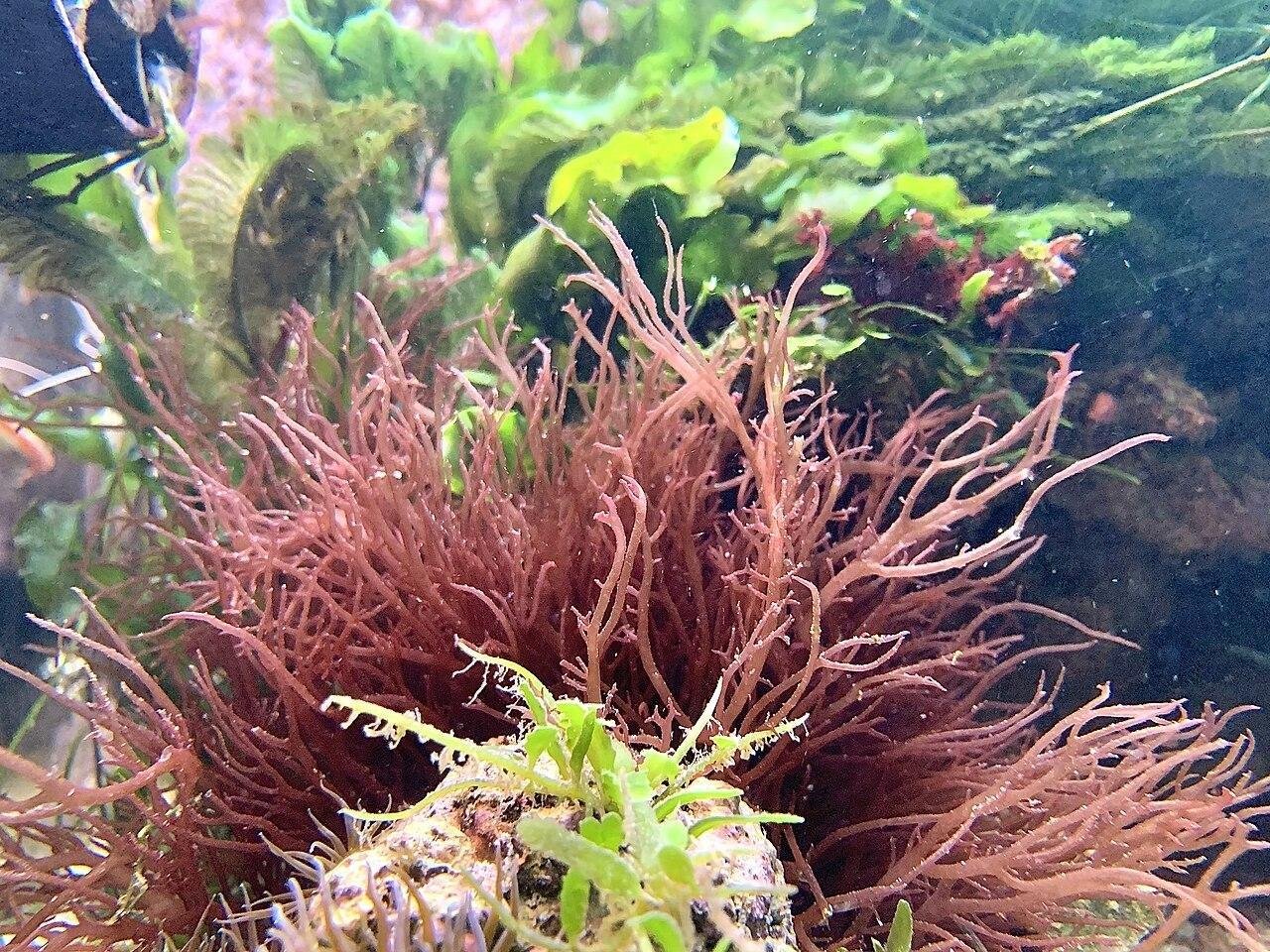
Gracilaria adds structure and moisture retention to the compost mix.
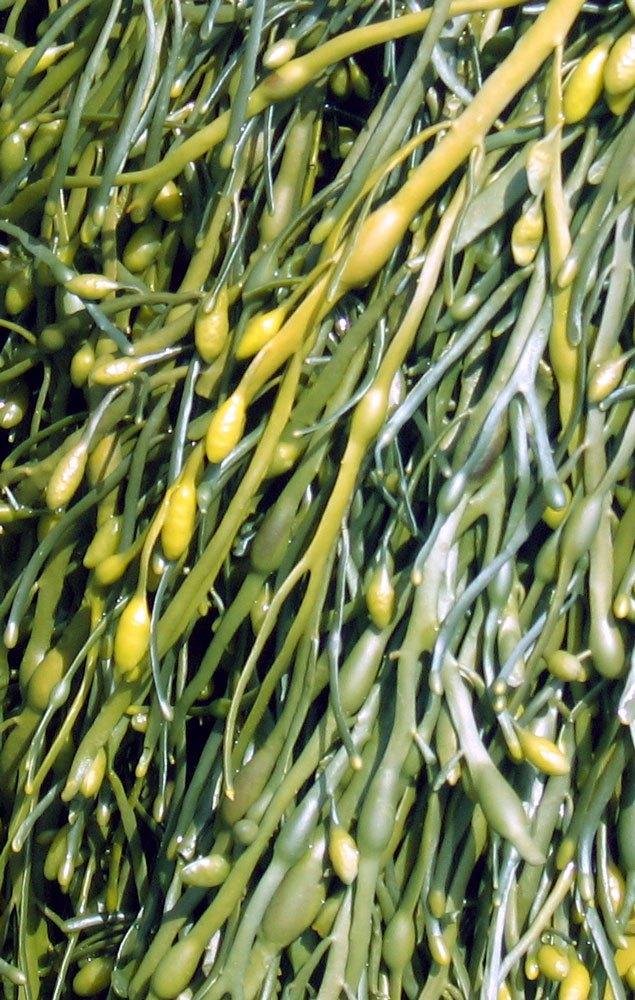
Fucus and Ascophyllum act as mineral and biostimulant additives.
Practical matrix
| Priority | View | Latin name | Leading role | How to apply |
|---|---|---|---|---|
| 1 | Seafood salad | Ulva spp. | fast nitrogen and humus | compost, mulch, liquid fertilizer |
| 2 | Gracilaria | Gracilaria spp. | structure and balance | mix with Ulva, add to compost |
| 3 | Sargassum | Sargassum spp. | microelements and potassium | mineral additive, compost after washing |
| 4 | Фукус / Ascophyllum | Fucus spp. / Ascophyllum nodosum | root stimulation | use in small doses as a supplement |
| 5 | Chaetomorpha | Chaetomorpha spp. | fast biomass | add to mixtures |
| 6 | Cold | Gelidium spp. | structure | compost additive |
Ulva: the basis of the system
Ulva is the most convenient starter variety: it quickly gains mass, is easy to grow, and provides a lot of nitrogen. This makes it ideal for mass introductions of compost and liquid fertilizers.
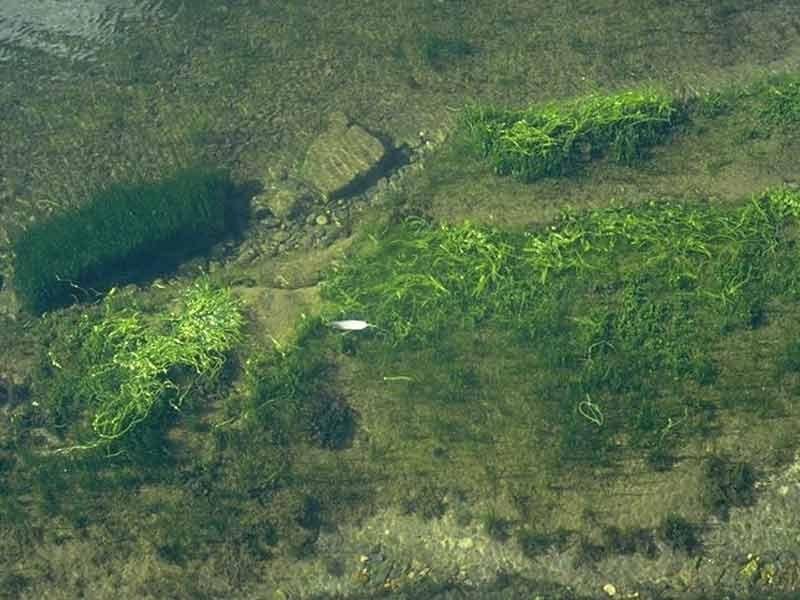
Ulva is suitable for easy picking and drying.
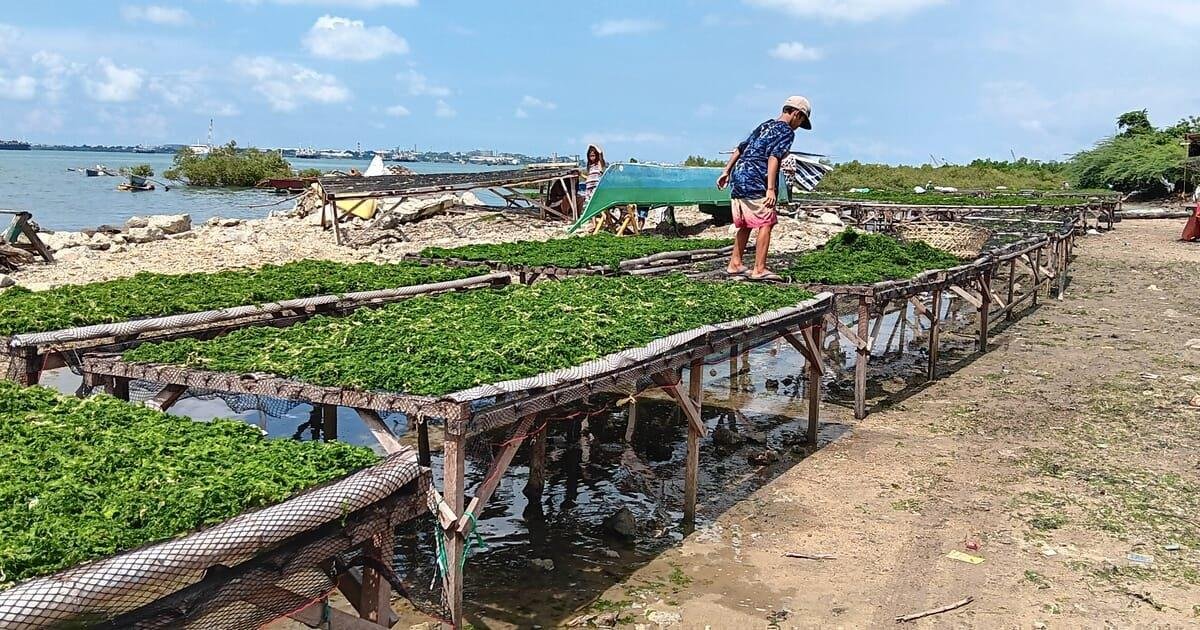
Green algae are quickly incorporated into the compost cycle.
growing quickly
easy to grow
a lot of nitrogen
quickly turns into humus
Gracilaria: structure and moisture
Gracilaria is more stable and dense than Ulva. It's easy to mix with rapidly decomposing green material to ensure the compost isn't too loose and retains moisture better.
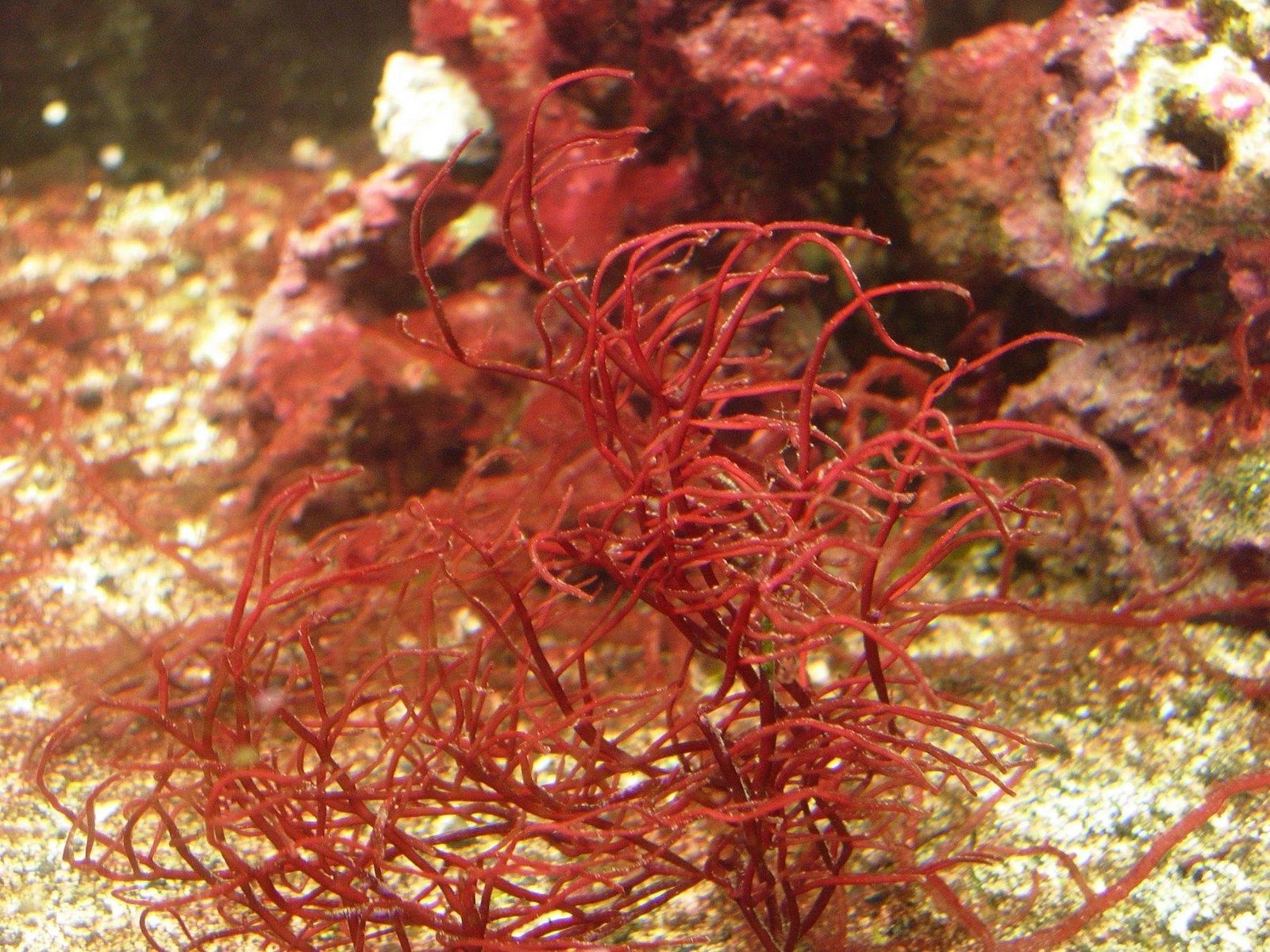
Red algae produce a more stable organic fraction.
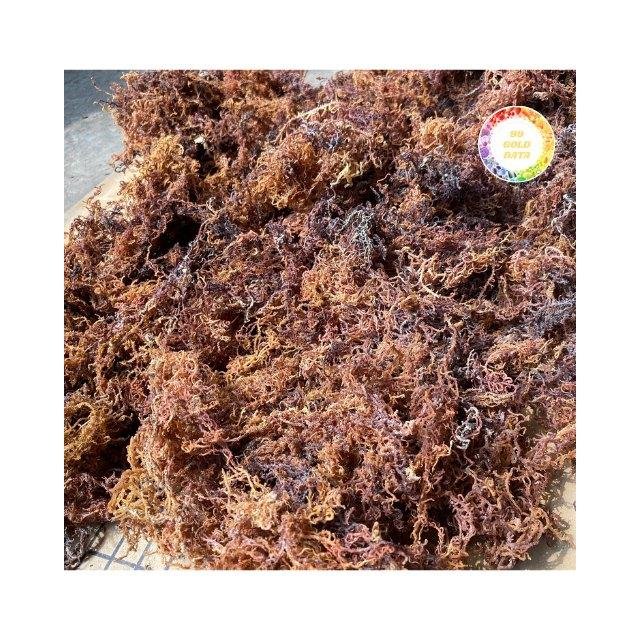
Scheme of application of red algae in organic mixtures.
Sargassum, Fucus, and Ascophyllum: Minerals
Brown algae decompose more slowly, but are valuable for their potassium, microelements, and biostimulants. Their role is not to provide the bulk of the mixture, but to enhance it.
Sargassum adds minerals and potassium.
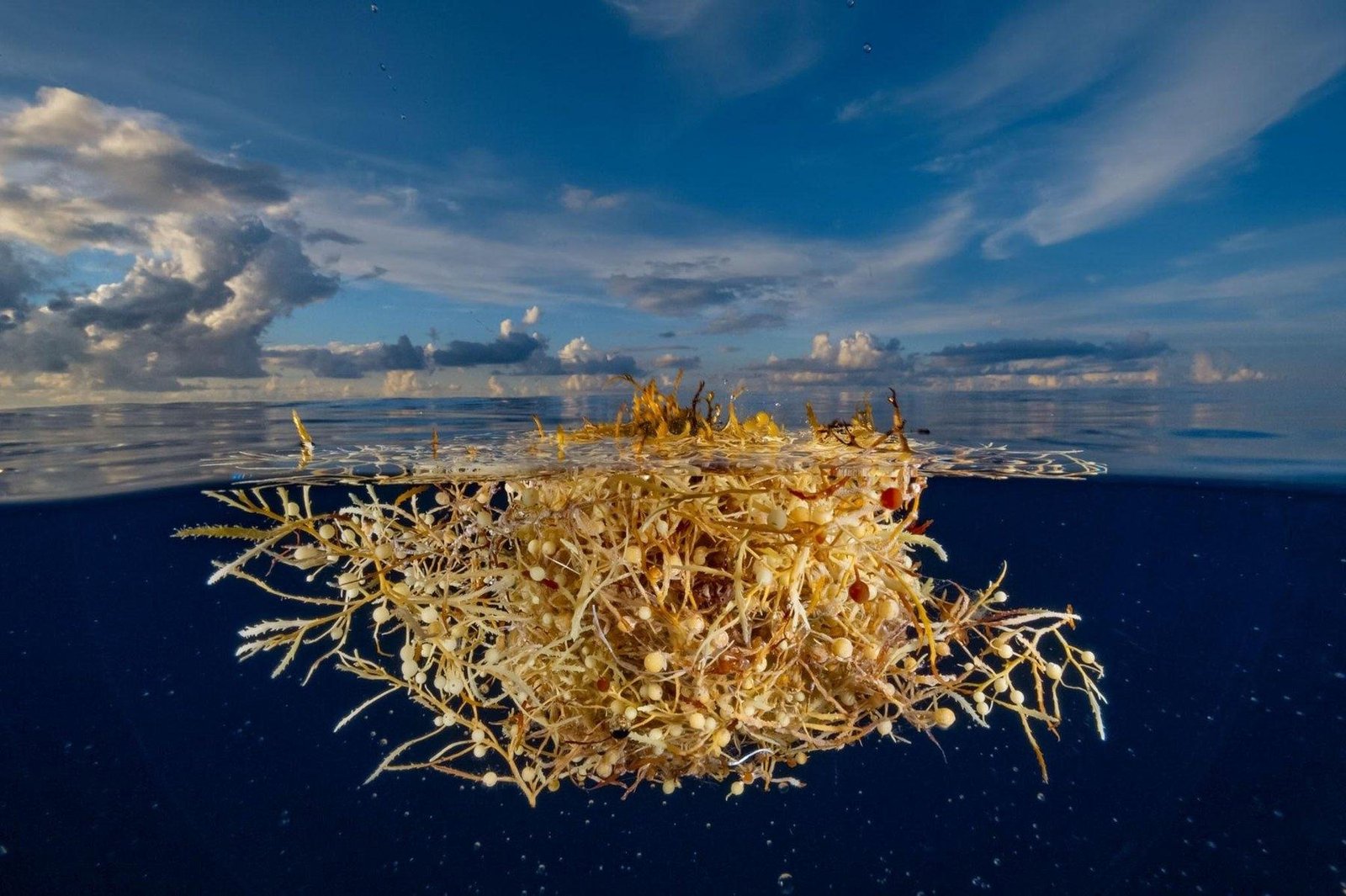
Brown algae require rinsing and salt control.

Ascophyllum is valuable as a source of biostimulants.
The perfect mixture
Optimal formula: Ulva for nitrogen + Gracilaria for structure + Sargassum for minerals.
Compost: seaweed is mixed with dry grass and manure.
Trenches: the mass is buried directly into the ground under trees and shrubs.
Liquid fertilizer: algae ferment for 1-2 weeks.
Mulch: Dried material that retains moisture and covers the soil surface.
How to grow
The simplest pilot model is a shallow lagoon, pool, or canal with sunlight, gentle water movement, and regular biomass harvesting. For scale-up, coastal lagoons, artificial pools, and canals near processing facilities can be developed.
Practical conclusion
Using just one type of algae is ineffective. The project requires a combination: fast-growing green mass, a structural red fraction, and a mineral brown additive. This mixture creates free fertilizer, accelerates soil growth, and locks the ocean resource into a terrestrial restoration system.