China's Basic Principle
The main lesson of Chinese desertification control projects is simple: don't start with trees. First, you need to stop the sand flow, create a rough surface, accumulate organic matter and moisture, and then introduce plants.
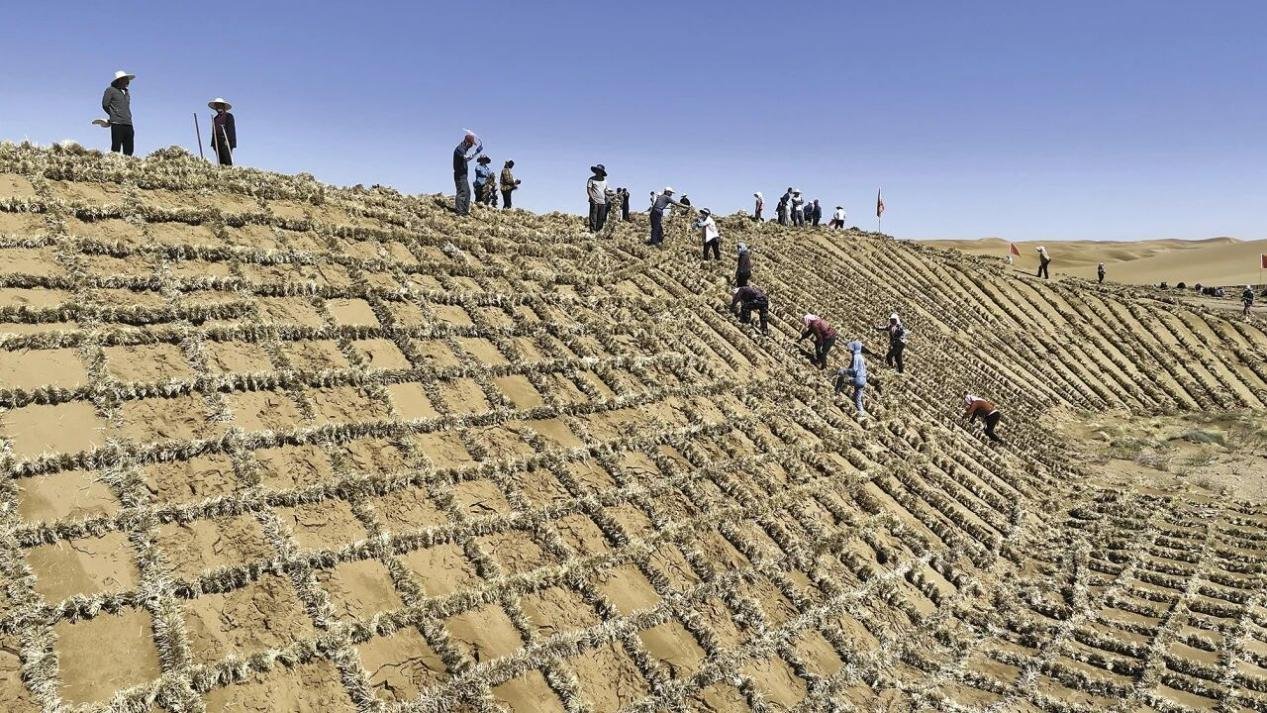
The principle of consistency
First the surface, then life
For DREVO, the Chinese approach is important not as a copycat technology, but as an engineering discipline. The green corridor must be built in a sequential manner: sand is fixed, the surface begins to retain dust and water, a biological crust forms, and then shrubs and trees appear.
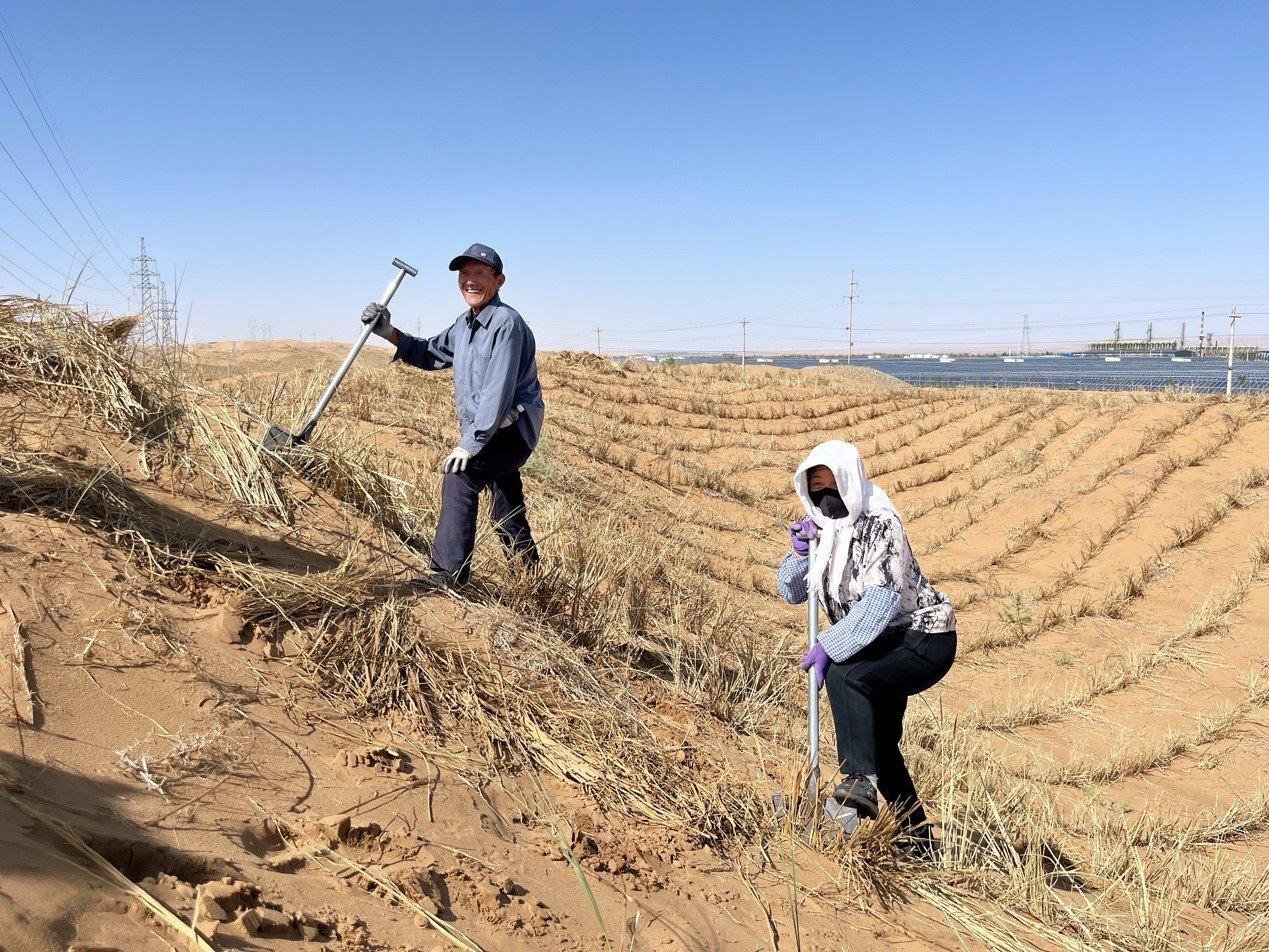
Sand fixation begins as a manual engineering exercise, not as tree planting.

The wind barrier complements the mesh and reduces sand drift in exposed areas.
The logic of the Chinese approach and its adaptation for DREVO
| Stage | What is being done? | Why is this necessary? | Adaptation DREVO |
|---|---|---|---|
| 1. Sand fixation | straw, twig or biodegradable cages | decrease in wind speed at the surface | local grids, palm waste, branches, stone lines |
| 2. Roughness | stones, microrelief, shallow depressions | retention of dust, dew and rare precipitation | crescent moons, zai-pits, contour lines |
| 3. Organics | straw, compost, plant residues | transition from inert sand to living substrate | algae, compost, mulch, dry plant residues |
| 4. Biocork | mosses, lichens, cyanobacteria and microbiology | surface bonding and moisture retention | test biocrust areas in protected areas |
| 5. Landing | first bushes, then trees | reducing the risk of planting failure | tamarisk, acacia, atriplex, then more valuable crops |
1. Sand fixation
The first step is to stop the horizontal movement of sand. In Chinese practice, grids are often used for this purpose: the material is laid in squares and partially buried in the sand. Inside the grids, the sand slows down, begins to trap dust, and becomes suitable for the next layer.
the wind at the surface becomes weaker;
the sand stops moving freely;
dust and organic matter are retained in the cells;
The site receives a physical basis for biology.
2. Biocrust and living surface
Once the surface has stabilized, a biological soil crust can be applied. This is a layer of moss, lichen, cyanobacteria, and microorganisms that binds the sand and helps retain moisture. For DREVO, this is not a decorative element, but the foundation of an ecosystem.
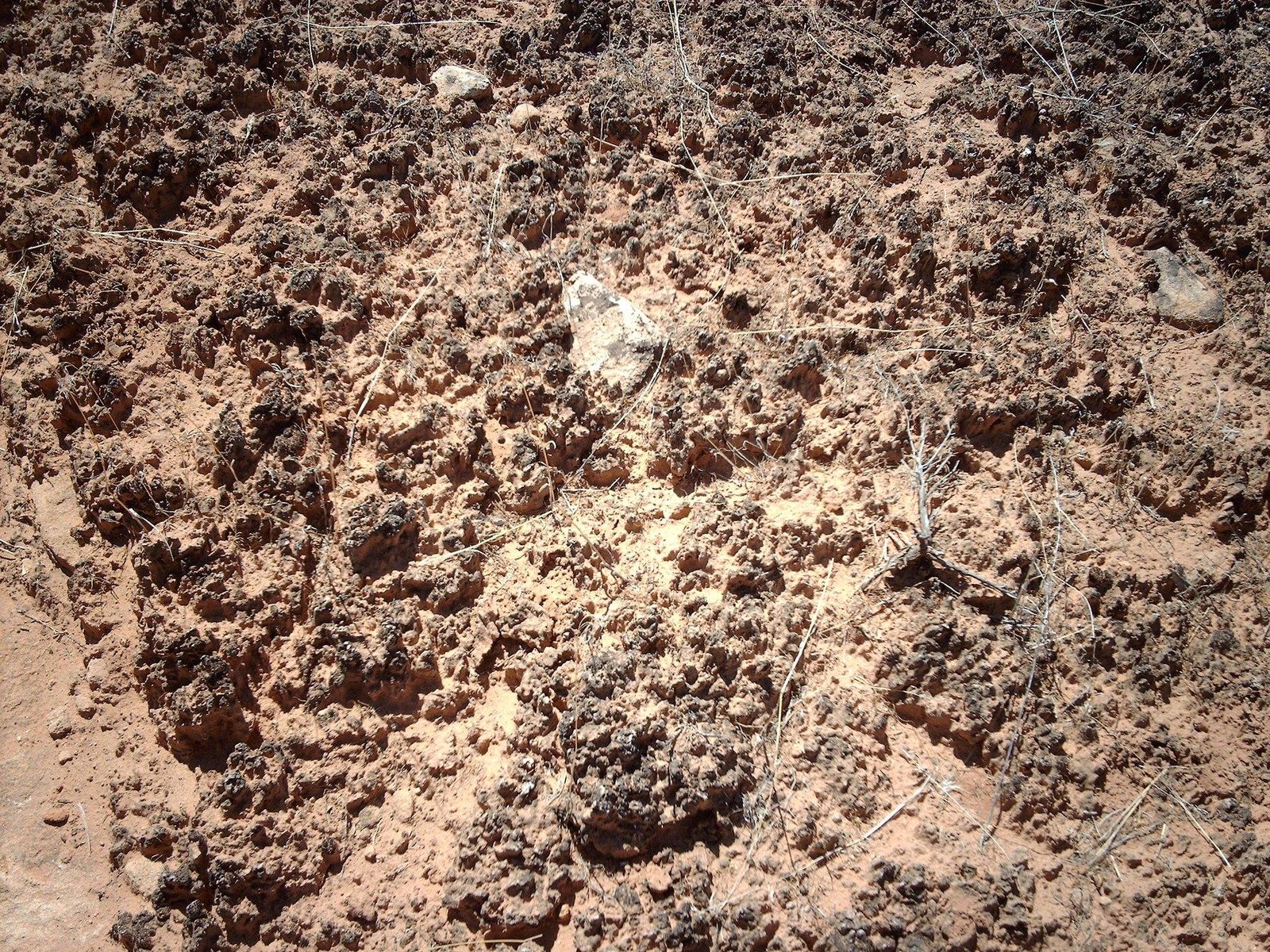
Biocrust transforms loose sand into a cohesive living surface.
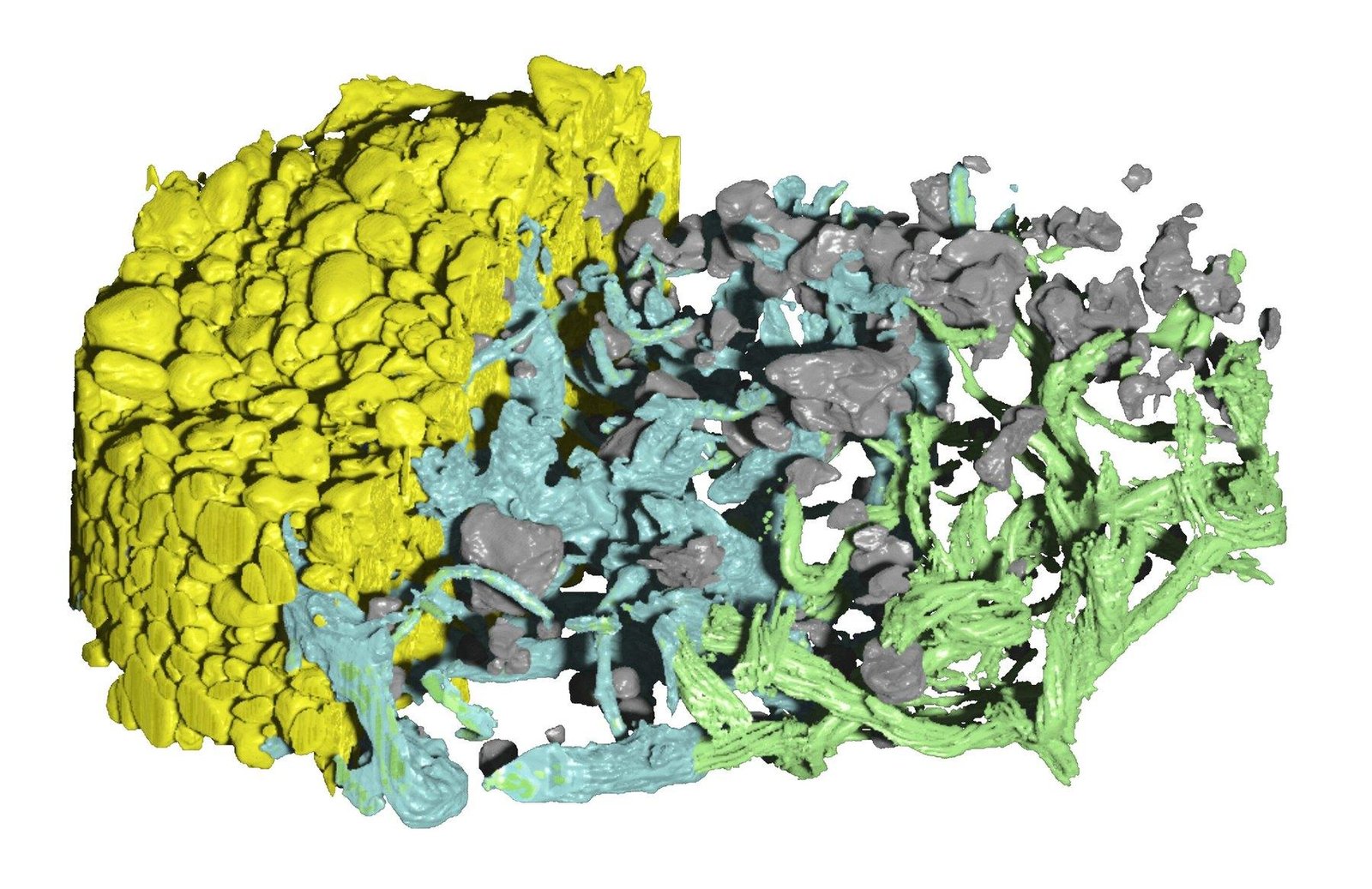
The microstructure of the biocrust shows how sand particles are linked by biological threads.
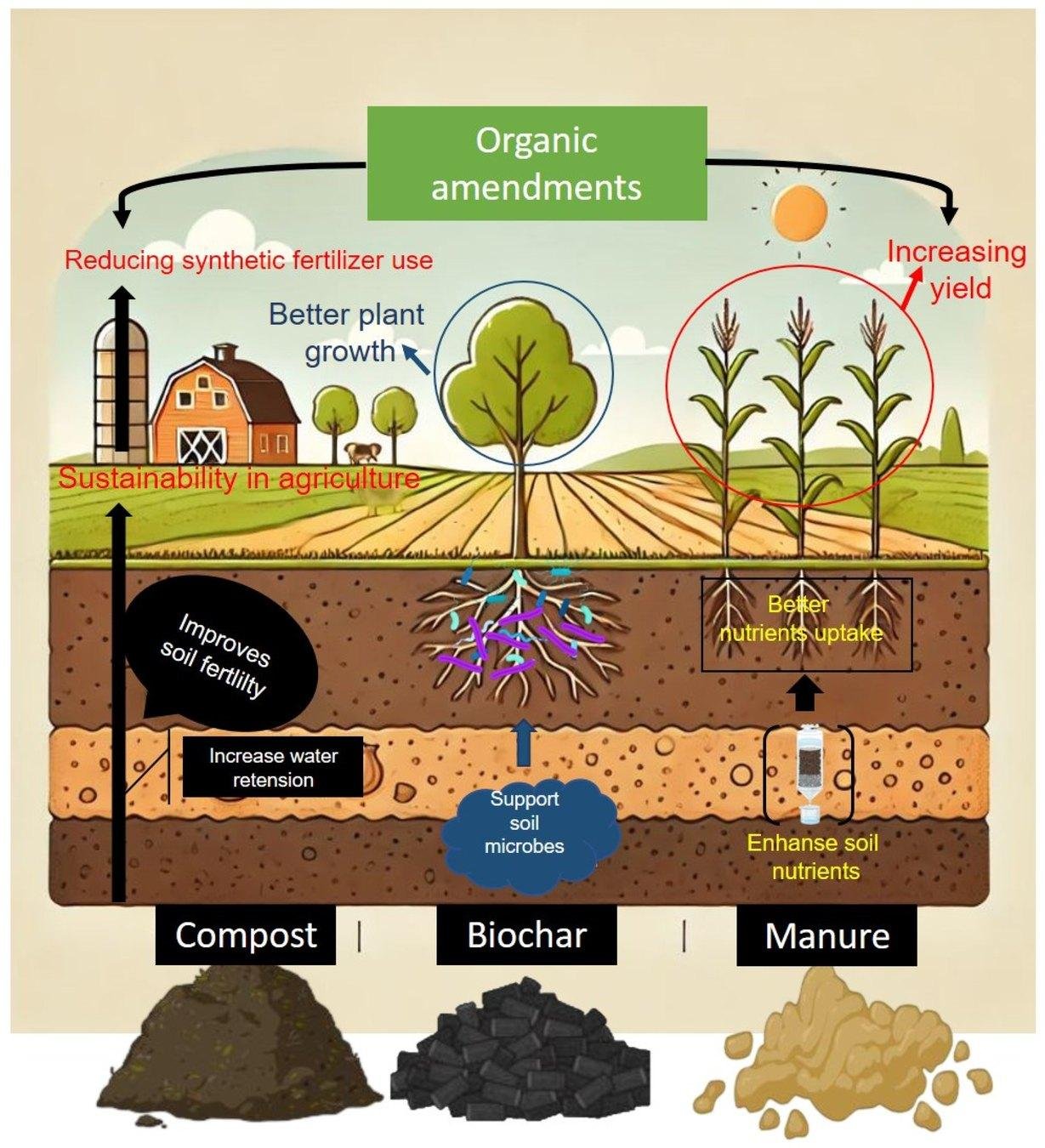
Organic matter and mulch speed up the transition from sand to soil layer.
3. Water is connected after stabilization.
In coastal conditions, the Chinese logic is complemented by ocean resources: fog, dew, and solar desalination. However, the water should be supplied not to open sand, but to a prepared surface with cells, mulch, microrelief, and wind protection.

Mist eliminators enhance the DREVO model after the surface has already acquired the ability to retain moisture.
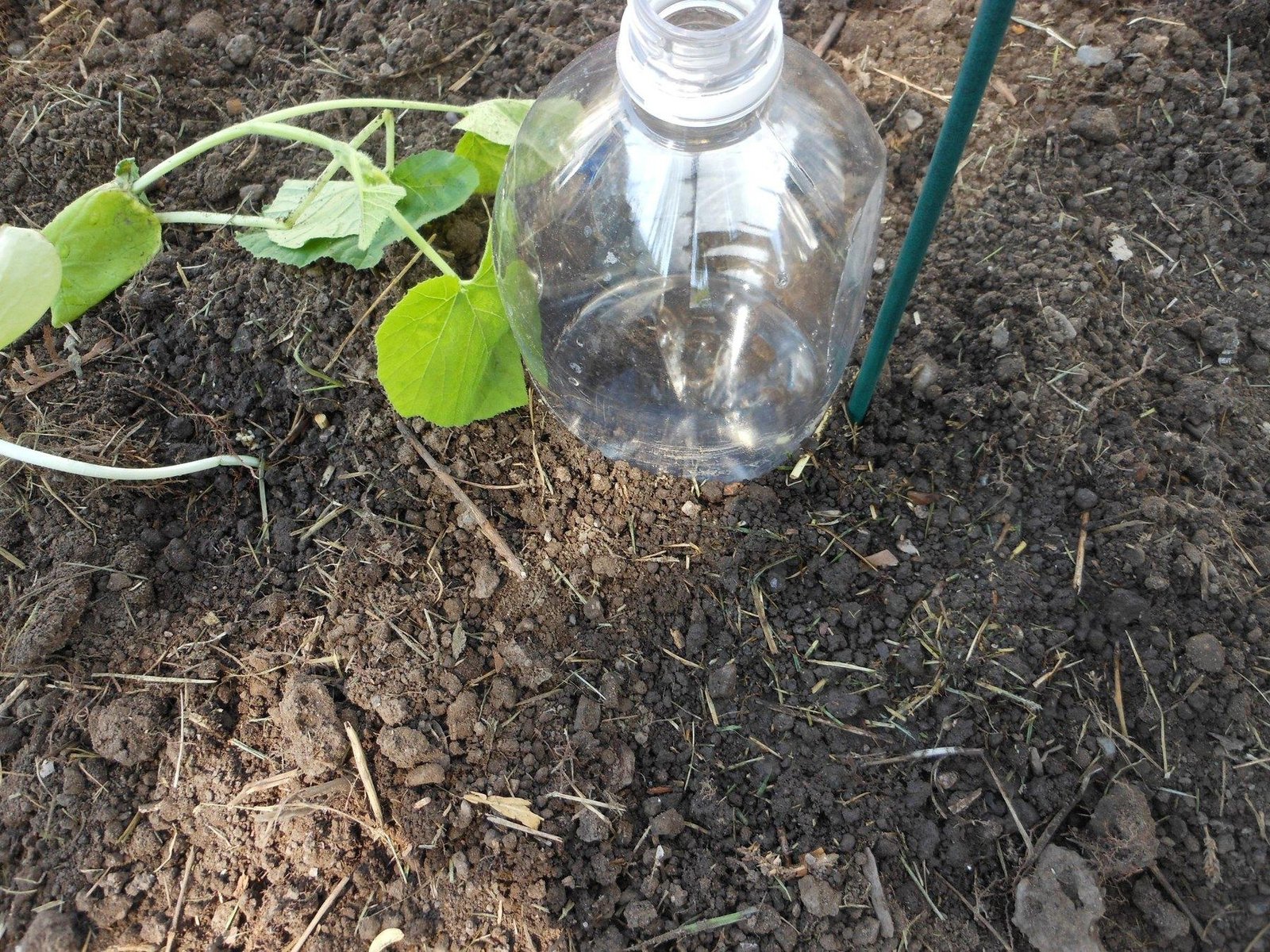
Spot watering is only useful where the root is protected and the soil does not overheat.
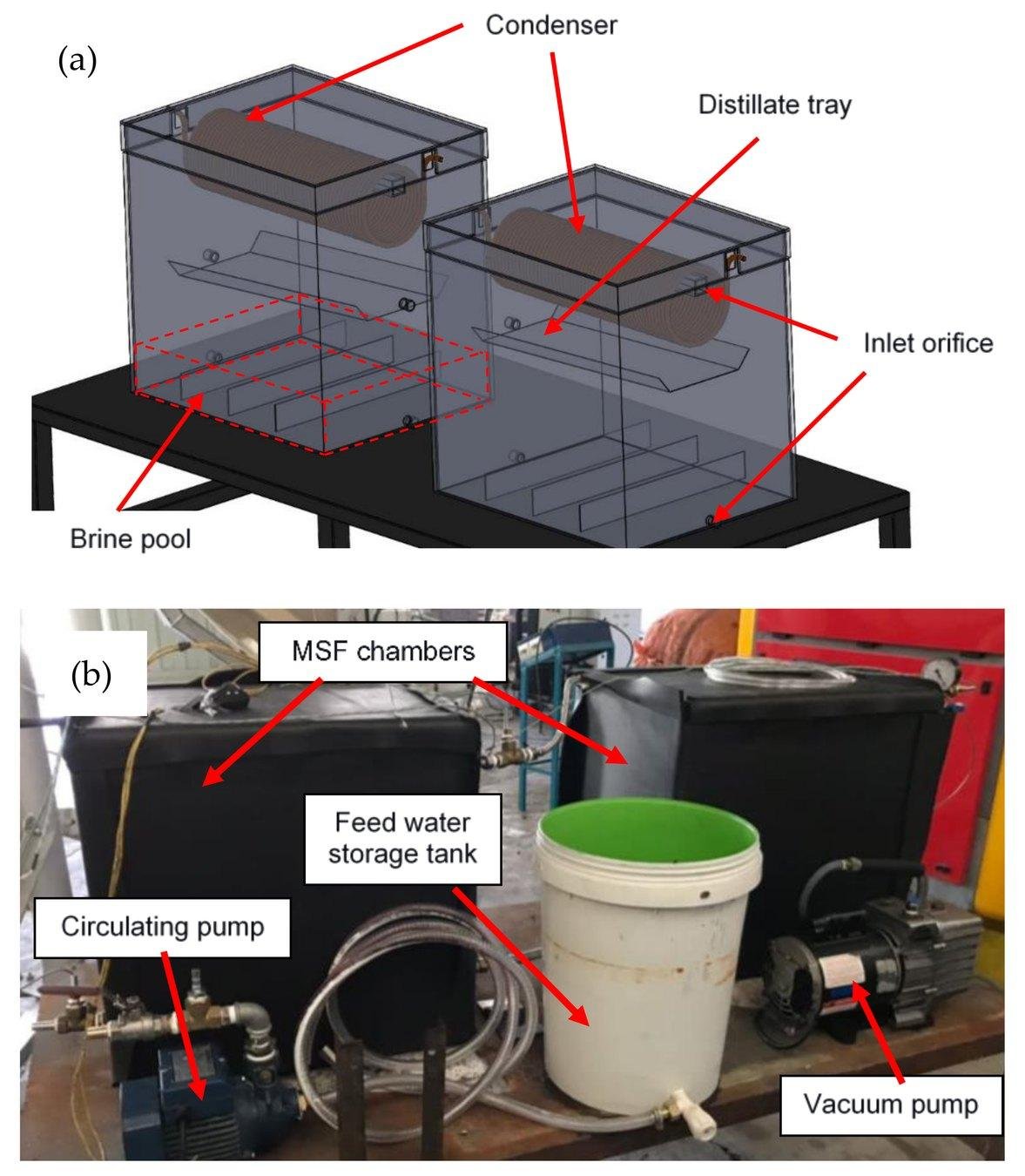
Small-scale desalination can power test modules, but does not replace sand protection and soil.
What changes after 1-3 years of preparation
| Indicator | Change | Practical meaning |
|---|---|---|
| Sand movement | is decreasing | less snow drift on roads, grids and young plantings |
| Organics | accumulates in cells | the basis for soil formation appears |
| Humidity | better retained in microrelief | plants receive a more stable regime |
| Surface temperature | reduced by cover and shade | less stress for roots and microbiology |
| Plant survival | is increasing | the landing becomes planned, not random |
Practical diagram for the DREVO pilot
| Step | Action | Control result |
|---|---|---|
| Step 1 | mark out 1x1 m or 2x2 m cells | sand moves less in the wind |
| Step 2 | add stones, holes and organic matter | dust and moisture are trapped in the cells |
| Step 3 | Connect the project's water: fog, dew, solar desalination | a minimum stable water regime appears |
| Step 4 | introduce resistant shrubs | the first living barrier is formed |
| Step 5 | only then plant trees | trees are part of a protected system |
The main conclusion
Chinese experience is valuable not for a single technology, but for the process itself. For DREVO, this means: a green corridor begins not with a tree, but with a surface that ceases to be shifting sand and gradually becomes living soil.
The working formula of the project: structure + biology + water + time.