Unified table: mosses, lichens and biocrusts by zones
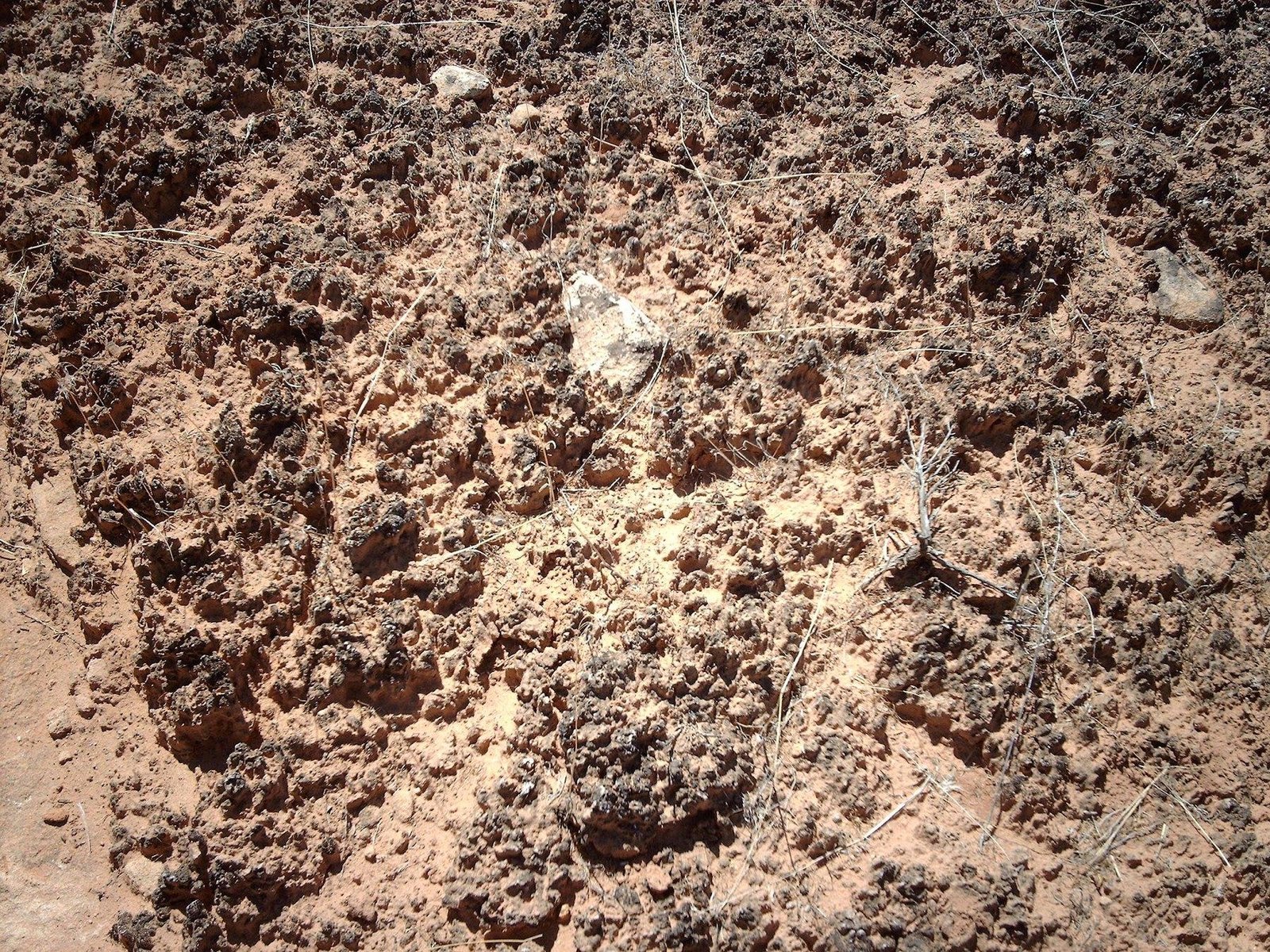
Zonal map of the invisible layer: where biocrust initiates the surface, where lichens protect it, and where mosses enhance moisture and soil.
Article by DREVO
Zones as a gradient of recovery
This table shows that biocrusts, lichens, and mosses are not distributed randomly. They follow a gradient from ocean to desert: salt air, sand, transitional soil, internal stabilization, microclimate, and a protective desert zone.
The basic logic is: biocrust → lichens → mosses → grasses → shrubs → trees. This is a fresh start, not a simple planting.
Visual logic
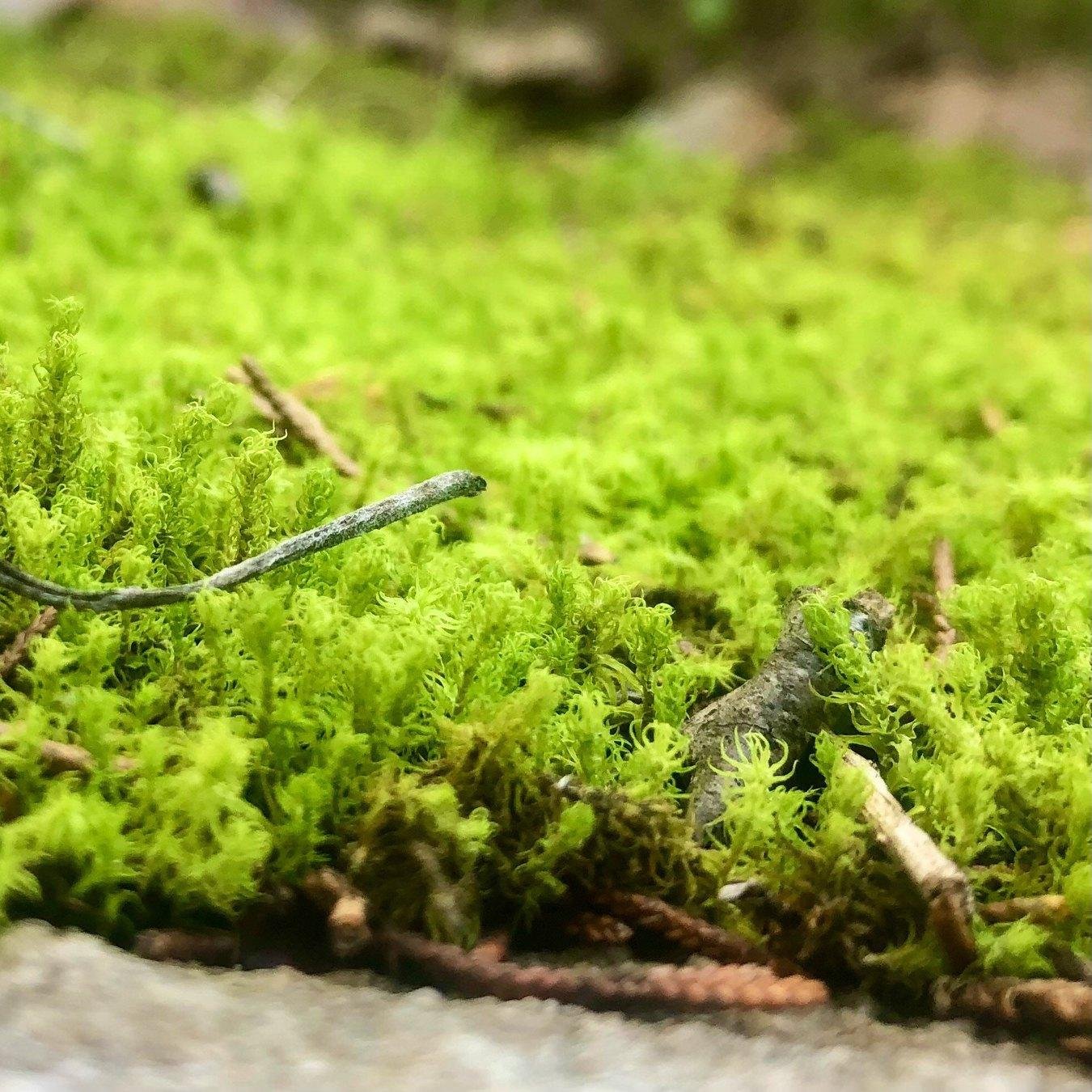
Mosses work where there is already protection and a moist microzone
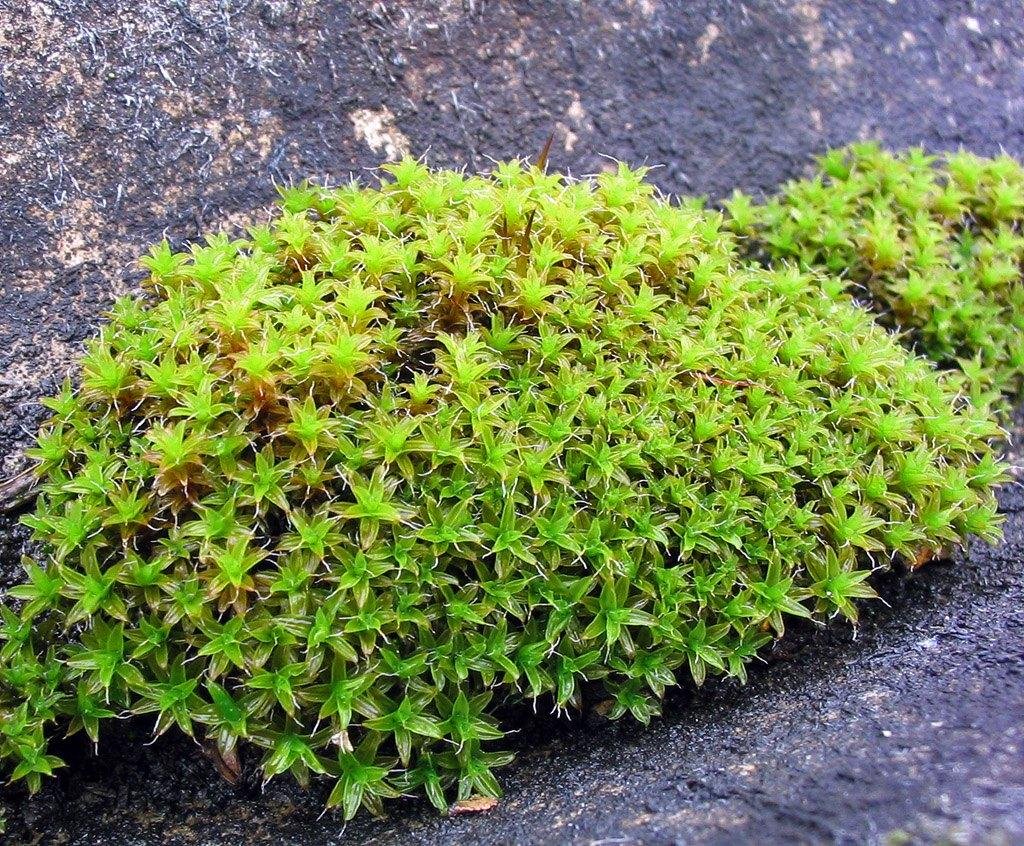
Rocks, shade and microrelief help retain moisture
Six application areas
| Zone 1 - Salt Front Lichens and cyanobacteria tolerate salty air and protect the surface | Zone 2 - Sand and Salt Barrier biocrust and lichens fix mobile particles | Zone 3 - Transition to living soil Mosses and nitrogen-fixing lichens are activated after moisture appears | Zone 4 – internal stabilization moss, stones and biocrust retain moisture and protect the soil | Zone 5 - microclimate Mosses and lichens work together with shade, organic matter and watering | Zone 6 - Desert Defense dry-resistant mosses, lichens and biocrust retain sand |
|---|
Unified table by zones
The zones are read as a gradient: the biocrust is the starting foundation, lichens provide surface protection, and mosses strengthen the soil and moisture where conditions have already become milder.
| Zone | View | Latin name | Type | Conditions | Main function |
|---|---|---|---|---|---|
| 1 | Ramalina | Ramalina spp. | lichen | salty air | salt capture |
| 1 | Teloschistes | Teloschistes spp. | lichen | coast | salt protection |
| 1 | Lecanora | Lecanora spp. | lichen | dry / salt | surface |
| 1 | Acarospora | Acarospora spp. | lichen | extremum | stones |
| 1 | Microcoleus | Microcoleus vaginatus | cyanobacteria | sand | gluing |
| 1 | Lyngbya | Lyngbya spp. | cyanobacteria | humidity | structure |
| 2 | Aeluropus crust biofilm | Microcoleus + Nostoc | biocrust | salt | fixation |
| 2 | Collema | Collema spp. | lichen | humidity | nitrogen |
| 2 | Cladonia | Cladonia spp. | lichen | dry | soil |
| 2 | Stereocaulon | Stereocaulon spp. | lichen | sand | dunes |
| 2 | Scytonema | Scytonema spp. | cyanobacteria | Sun | protection |
| 2 | Nostoc | Nostoc spp. | cyanobacteria | humidity | nitrogen |
| 3 | Syntrichia | Syntrichia ruralis | month | dry | retention |
| 3 | Tortula | Tortula spp. | month | dry | soil |
| 3 | Bryum | Bryum spp. | month | humidity | local soil |
| 3 | Collema | Collema spp. | lichen | humidity | nitrogen |
| 3 | Peltigera | Peltigera spp. | lichen | shadow | nitrogen |
| 3 | Microcoleus | Microcoleus vaginatus | biocrust | sand | stabilization |
| 4 | Syntrichia | Syntrichia spp. | month | moderately dry | soil |
| 4 | Tortula | Tortula spp. | month | dry | retention |
| 4 | Grimmia | Grimmia spp. | month | stones | protection |
| 4 | Cladonia | Cladonia spp. | lichen | dry | soil |
| 4 | Nostoc | Nostoc spp. | biocrust | humidity | nitrogen |
| 4 | Scytonema | Scytonema spp. | biocrust | Sun | protection |
| 5 | Bryum | Bryum spp. | month | humidity | soil |
| 5 | Funaria | Hygrometric funerary | month | after the rain | rapid growth |
| 5 | Peltigera | Peltigera spp. | lichen | shadow | nitrogen |
| 5 | Collema | Collema spp. | lichen | humidity | nitrogen |
| 5 | Microcoleus | Microcoleus vaginatus | biocrust | soil | structure |
| 5 | Nostoc | Nostoc spp. | biocrust | humidity | nitrogen |
| 6 | Cladonia | Cladonia spp. | lichen | dry | sands |
| 6 | Stereocaulon | Stereocaulon spp. | lichen | dunes | fixation |
| 6 | Syntrichia | Syntrichia ruralis | month | dry | retention |
| 6 | Tortula | Tortula spp. | month | dry | soil |
| 6 | Microcoleus | Microcoleus vaginatus | biocrust | sand | gluing |
| 6 | Scytonema | Scytonema spp. | biocrust | Sun | protection |
| 6 | Lyngbya | Lyngbya spp. | biocrust | extremum | structure |
Conclusion
Most projects skip this layer, but it's precisely this layer that determines whether soil will appear or the site will remain sand. DREVO has a strong vision: restoring the biological crust as the ecosystem's base layer.