Shrub Table: Maximum List
Shrubs form the lower protective layer of the corridor: they fix the sand, cover the soil, retain moisture and create conditions for the trees.
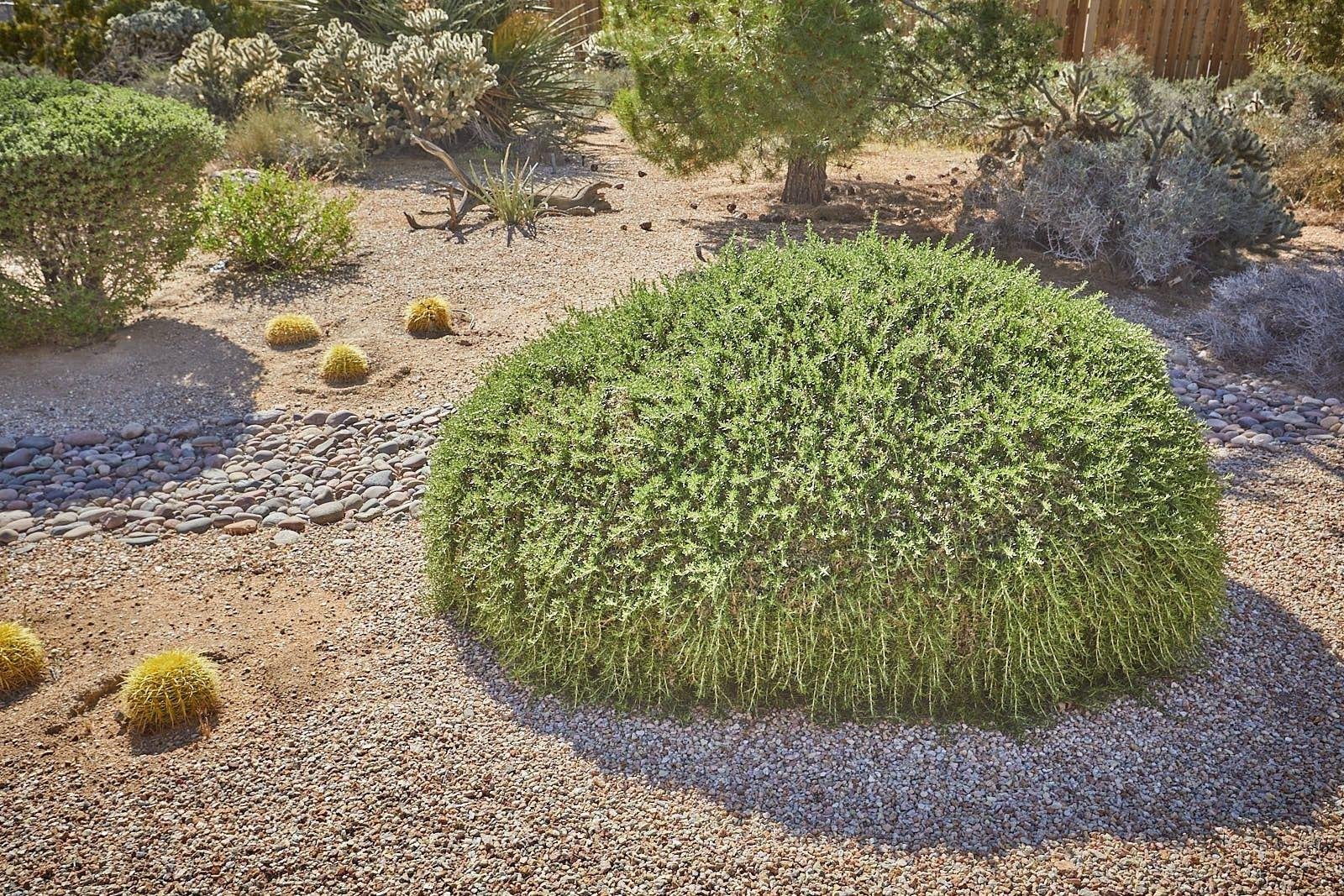
Shrubs as the first engineering layer
In coastal desert zones, shrubs are just as important as trees. They cover the surface more quickly, reduce evaporation, retain sand, create shade at the ground, and protect young plants from the wind.
This table divides species into three levels of implementation. The first level can be used as a basic protection. The second level is activated after soil improvement and light irrigation. The third level is only suitable where there is already stable water, shade, and salinity control.
How to read levels
| Level 1 Basic starting conditions: salt, wind, sand, poor soil and minimal water. | Level 2 Types for enhancing the microclimate after the initial stabilization of the site. | Level 3 Ornamental and fruit shrubs for protected areas with stable watering. |
|---|
The maximum list of shrubs
Level 1 - Basic protective layer
The most reliable types for starting: sand fixation, salt tolerance, bottom barrier and soil preparation.
| View | Latin name | Water | Salt | Shadow | Level | Role |
|---|---|---|---|---|---|---|
| Atriplex | Atriplex halimus | low | very high | yes | 1 | soil base |
| Atriplex | Atriplex nummularia | low | very high | yes | 1 | salt zones |
| Solyanka | Salsola vermiculata | very low | high | yes | 1 | sand fixation |
| Suaeda | Suaeda vera | very low | very high | yes | 1 | salty soils |
| Calotropis | Calotropis procera | very low | average | yes | 1 | quick start |
| Capers | Spiny caper | very low | high | yes | 1 | food and survival |
| Prickly pear | Opuntia ficus-indica | very low | high | yes | 1 | food and water reserves |
| Leptadeniya | Leptadenia pyrotechnica | very low | average | yes | 1 | dunes |
| Calligonum | Calligonum comosum | very low | high | yes | 1 | sands |
| Artemisia | Artemisia herba-alba | very low | average | yes | 1 | soil |
| Tamarisk bush | Tamarix senegalensis | low | high | yes | 1 | protection |
| Nitraria | Nitraria retusa | low | high | yes | 1 | salt zones |
| Bushy jujube | Ziziphus lotus | very low | average | yes | 1 | barbed barrier |
| Hamada | Haloxylon scoparium | very low | average | yes | 1 | fixation |
| Retama | Retama raetam | very low | average | yes | 1 | nitrogen fixation |
| Genista | Genista saharae | very low | average | yes | 1 | sands |
Level 2 - with light watering
These species enhance the microclimate, aromatic layer, moisture retention and biodiversity.
| View | Latin name | Water | Salt | Shadow | Level | Role |
|---|---|---|---|---|---|---|
| Lavender | Lavender spp. | low | low | yes | 2 | microclimate |
| Rosemary | Rosemary officinalis | low | low | yes | 2 | moisture retention |
| Thyme | Thymus spp. | very low | low | yes | 2 | soil |
| Sage | Sage officinalis | low | low | yes | 2 | stability |
| Myrtle | Common myrtle | average | low | yes | 2 | aroma |
| Incense burner | Cistus spp. | low | low | yes | 2 | soil |
| Aloe | Aloe vera | very low | high | yes | 2 | medicine |
| Jojoba | Simmondsia chinensis | low | average | yes | 2 | oil |
Level 3 - with stable watering
These species are acceptable once a protected microclimate, regular water and reduced salinity are established.
| View | Latin name | Water | Salt | Shadow | Level | Role |
|---|---|---|---|---|---|---|
| Bougainvillea | Bougainvillea spp. | average | average | yes | 3 | protection and decorative barrier |
| Hibiscus | Hibiscus rosa-sinensis | average | low | yes | 3 | decorative layer |
| Oleander | Oleander tree | low | average | yes | 3 | living barrier |
| Bush pomegranate | Dwarf pomegranate | average | low | yes | 3 | fruit bush |
| Feijoa | Acca sellowiana | average | average | yes | 3 | fruit layer |
| Bush guava | Psidium guajava | average | low | yes | 3 | fruit layer |
Additional structural layer
These species do not replace the base shrubs, but enhance the system in dry and sheltered areas.
| View | Latin name | Role |
|---|---|---|
| Agave | Agave americana | water retention and the outermost dry layer |
| Yucca | Yucca spp. | structure, vertical emphasis and protection |
| Dragon fruit | Hylocereus | fruit, shade and experimental productive layer |
| Euphorbia | Euphorbia spp. | protection, density and dry barrier |
How to use shrubs correctly
Shrubs aren't decoration, but rather functional infrastructure. Their purpose is to hold sand in place, create shade, retain moisture, and prepare the soil for the tree layer.
| Minimum set Atriplex, Opuntia, Retama, Artemisia, lavender and rosemary. | System chain Wind → shrubs → trees → fruit crops. | Key takeaway Without a dense shrub layer, trees are exposed to more wind, salt, and heat stress. |
|---|
Typical mistakes
Plant only trees without the lower protective layer.
Ignore soil salinity and ocean salt aerosols.
Make the planting too sparse, without a dense shrub barrier.
Transfer third-level decorative views to the project's start-up phase.
In a project presentation, a shrub belt can be presented as a first line of defense: it is a cheap, quick, and effective layer that creates soil, moisture, and stability for subsequent stages of landscaping.
Images from the source
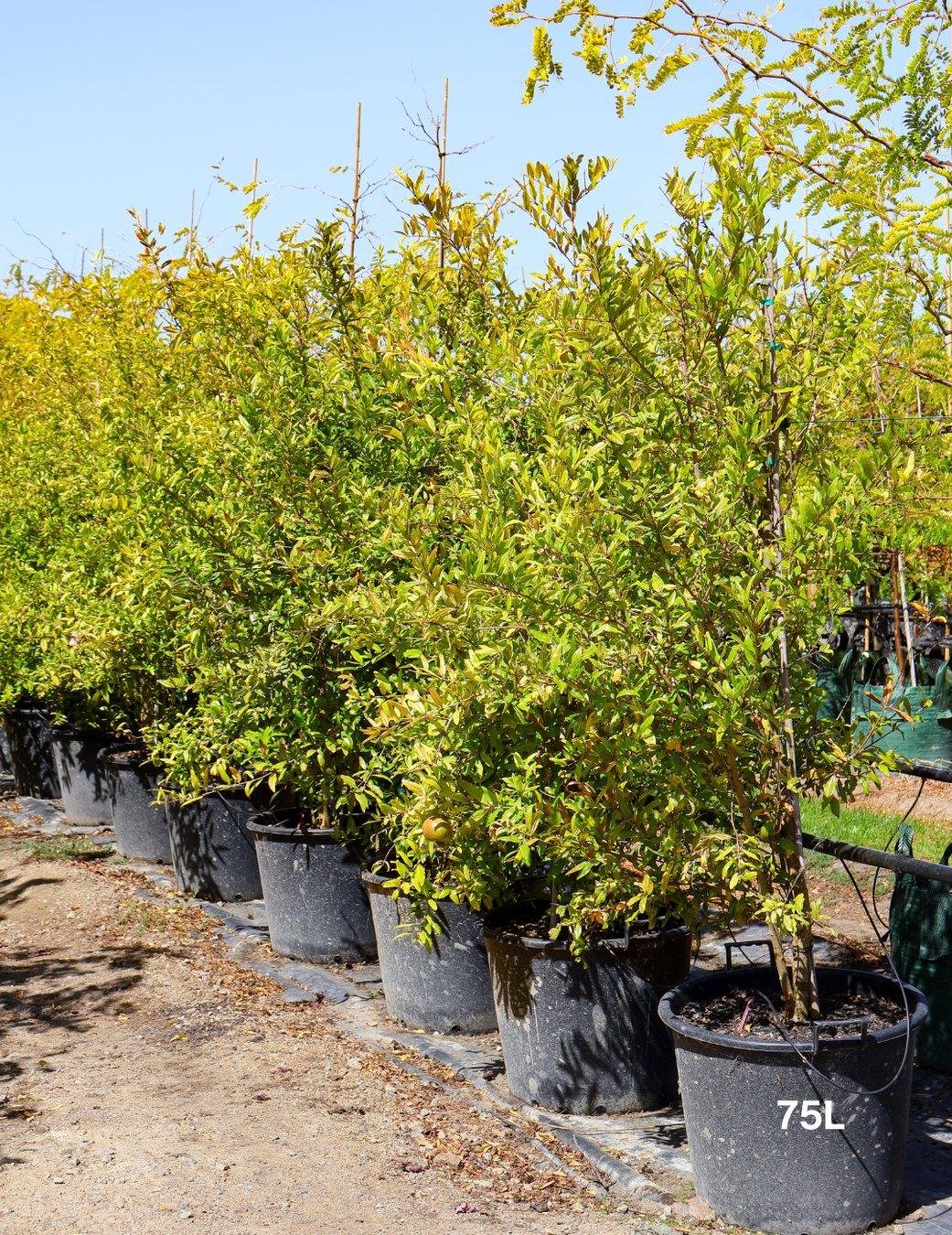
Dense protective bushThe lower tier acts as a barrier against wind, sand and evaporation.
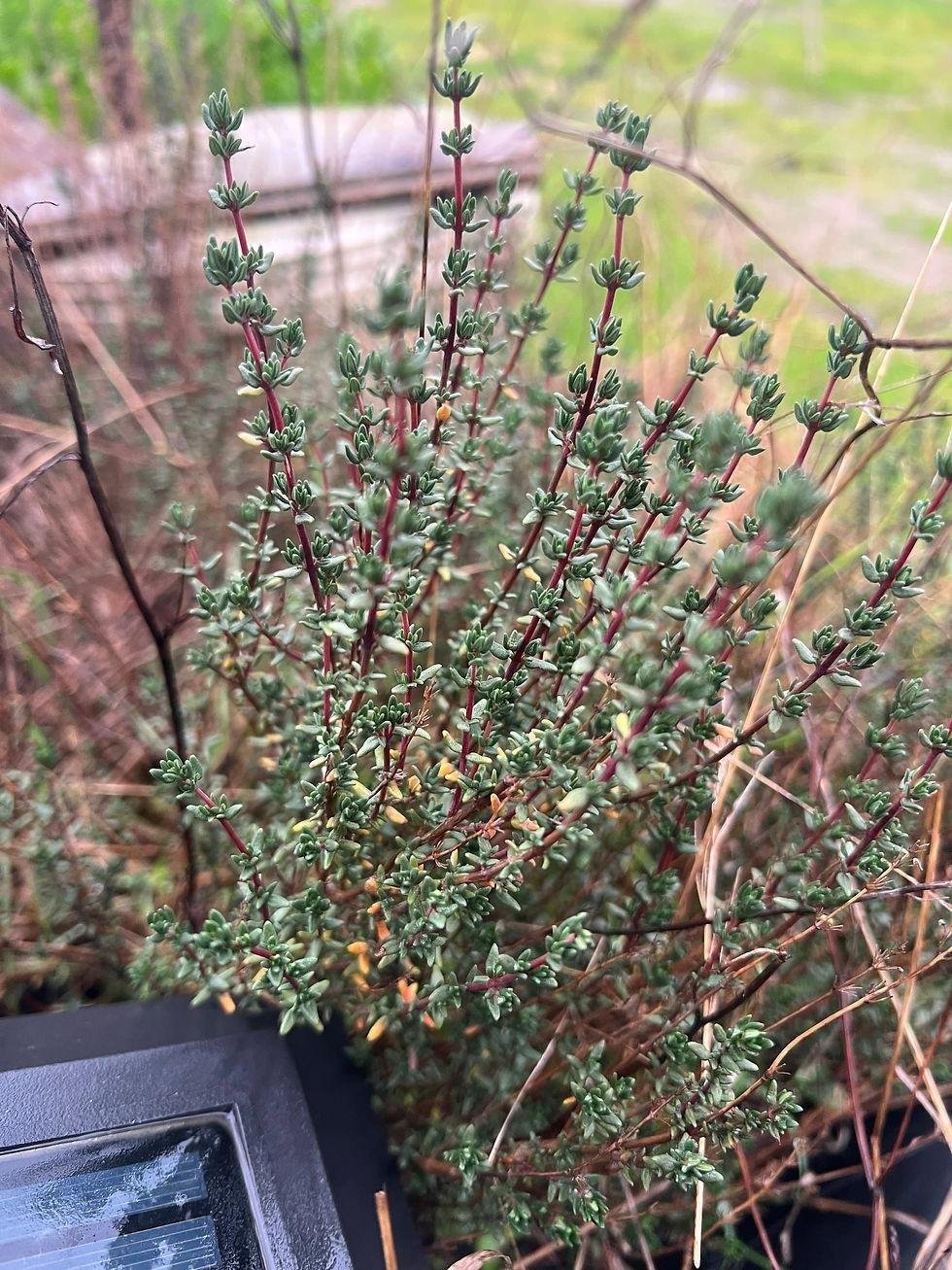
Aromatic speciesThyme, lavender, rosemary and sage are appropriate after initial soil stabilization.
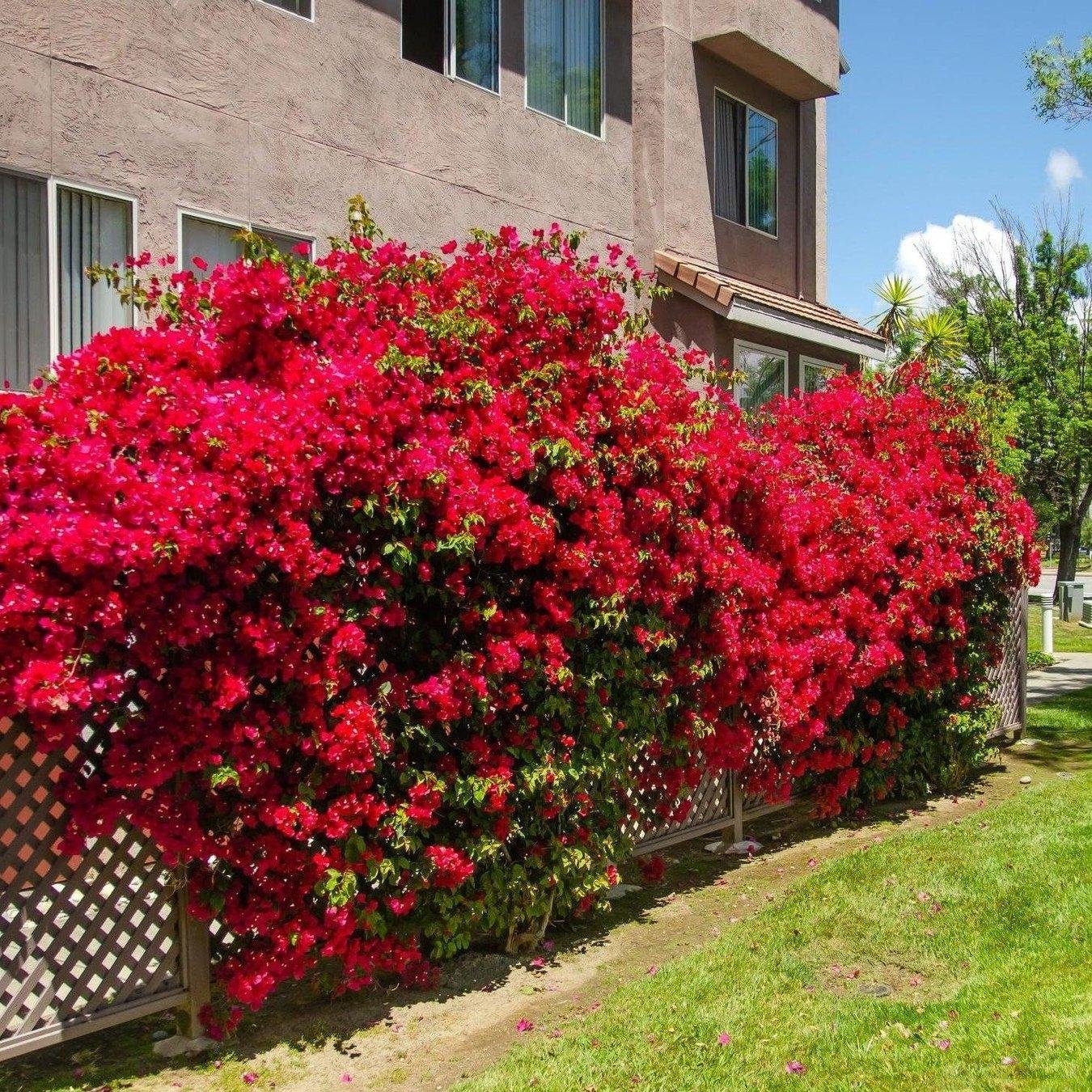
Bougainvillea Ornamental and protective species are acceptable in areas with stable watering.
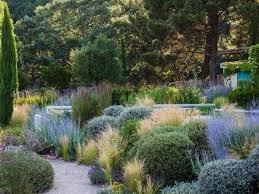
Mixed shrub layerA combination of dense and aromatic shrubs increases the diversity of the planting.
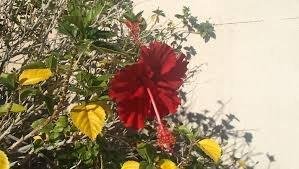
HibiscusThird level species are used where there is already water and protection from the wind.