Targeted top layers by 6 zones
A design diagram of the top 10-20 cm of soil: where light infiltration is needed, and where moisture retention and wind resistance are more important.
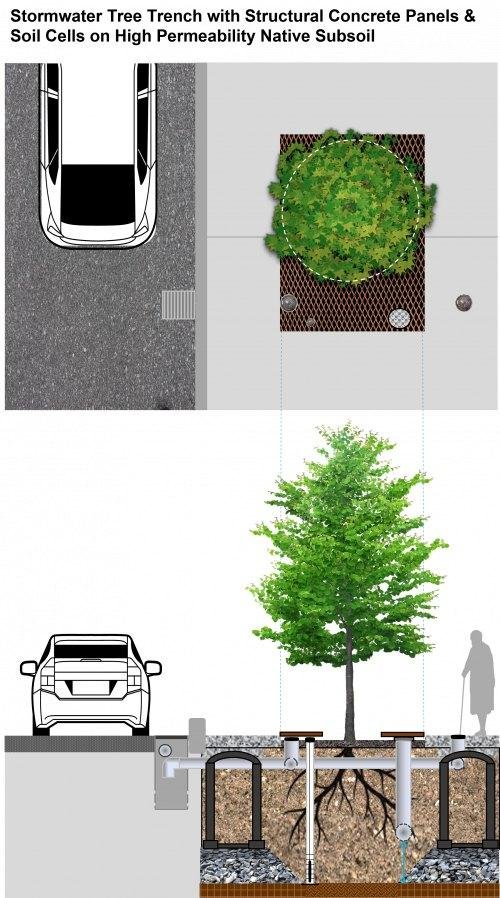
Soil engineering
Not one recipe, but six different toppings
The closer the site is to the ocean, the more important it is to maintain infiltration and prevent a dense salt or clay crust from forming. The further inland, the more important moisture retention and resistance to dry winds are. Therefore, the top layer should not be uniform across the entire width of the corridor.
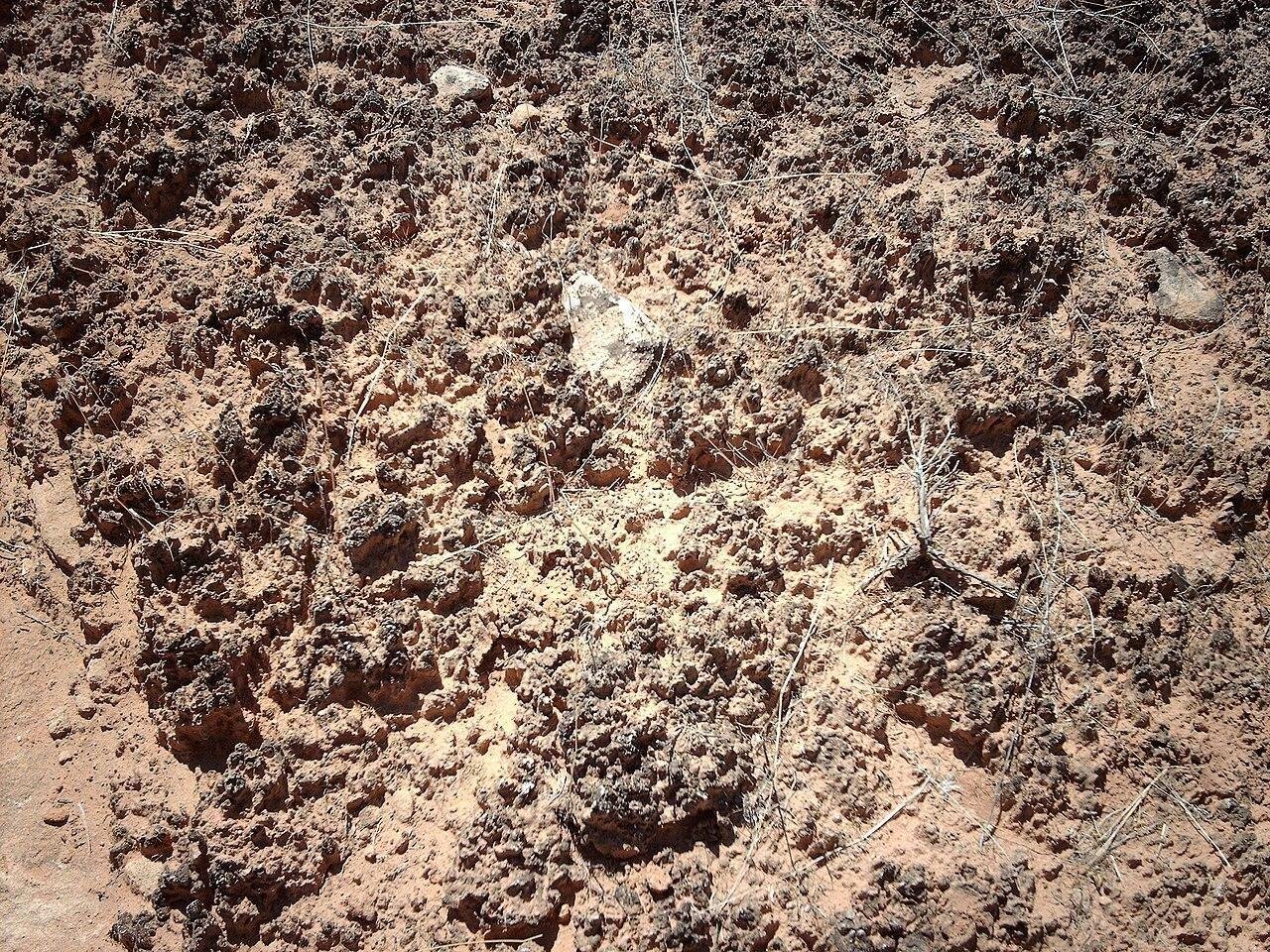
Biocrust and organic matter strengthen the top 10-20 cm without a heavy clay crust.
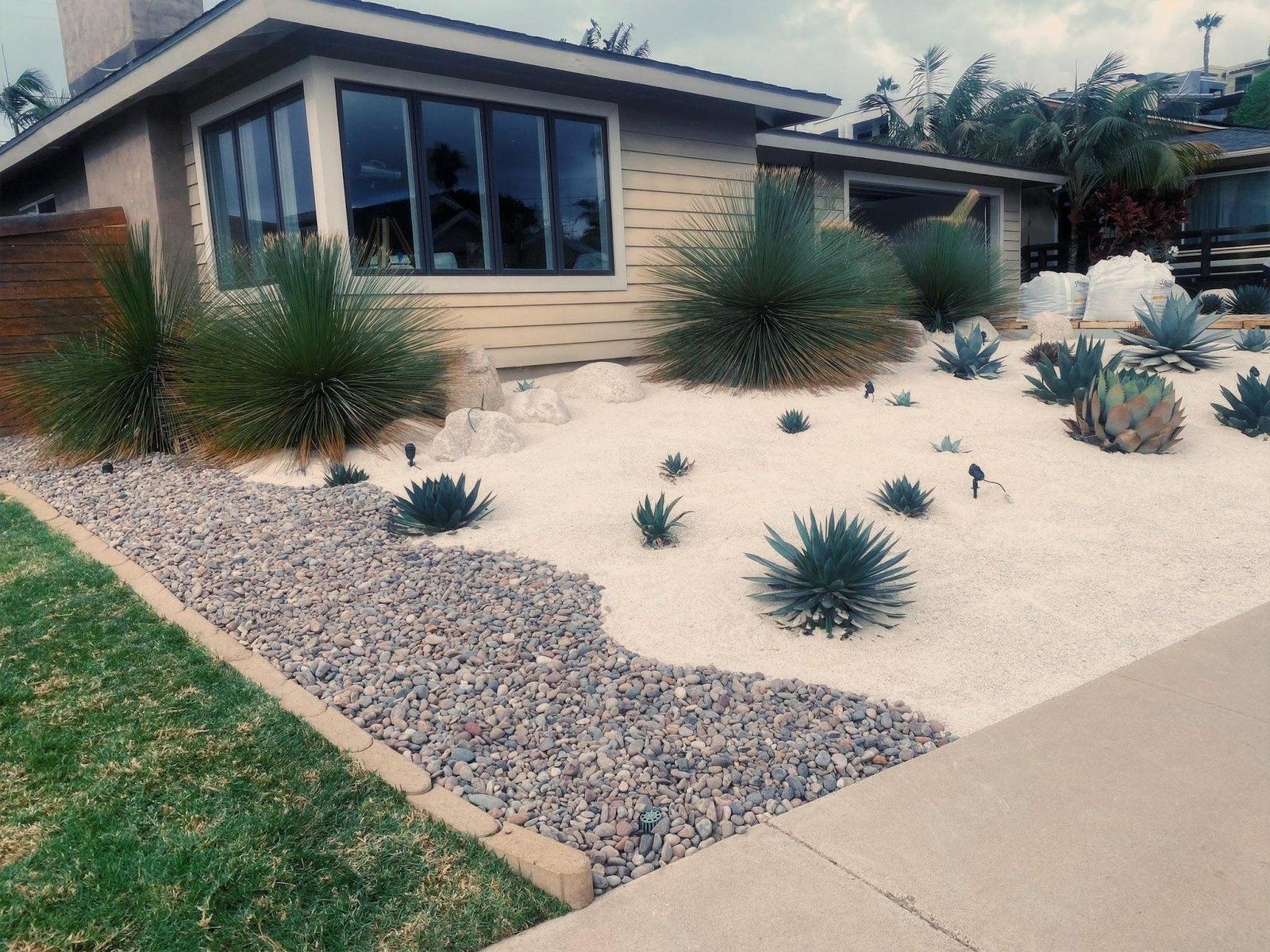
Stones and light micro-relief protect the surface from wind and overheating.
Recommended target mixture
| Zone | Distance | Layer Purpose | Sand | Clay | What does it mean |
|---|---|---|---|---|---|
| 1 | 0-30 m | to maintain infiltration and withstand salt | 88-94% | 6-12% | very light salt-resistant layer |
| 2 | 30-100 m | retain sand but allow rapid water entry | 82-90% | 10-18% | lightweight stabilizing layer |
| 3 | 100-300 m | begin soil formation and moisture retention | 75-85% | 15-25% | sandy loam |
| 4 | 300-800 m | base for herbs, bushes and some fruit trees | 68-78% | 18-28% | stable sandy loam / light loam |
| 5 | 0.8-2 km | agrosystem and more moisture capacity | 60-72% | 22-32% | upper sandy loam / light loam |
| 6 | 2-5 km | fighting dry wind and new sand | 70-82% | 15-25% | not a heavy, but more binding layer |
Practical formula
Ranges are design goals, not laboratory dogma. In a real field, it's important to work in strips, patches, planting pits, and trenches, rather than uniformly mixing the entire area.
| Zone | Approximate mineral proportion | Supplement |
|---|---|---|
| 1 | 9:1 sand/clay | mulch and minimal organic matter |
| 2 | 8 : 2 | organics and stabilizing herbs |
| 3 | 4 : 1 | organics + biocrust |
| 4 | 3,5-4 : 1 | compost in strips and planting corridors |
| 5 | 2,5-3 : 1 | compost and productive top layer |
| 6 | 4-5 : 1 | straw cages, barriers and root grasses |
Conclusion for the pilot
The mineral component should be combined with 5-15% organic matter by volume in the top layer, strips, or planting holes. It is the organic matter, along with the fine fraction, that makes the sand moisture-absorbing and biologically active.