Maximum table of fruit bushes
DREVO fruit bushes for protected areas: from extremely resistant first-season varieties to crops requiring a developed system of shade, water, and care.
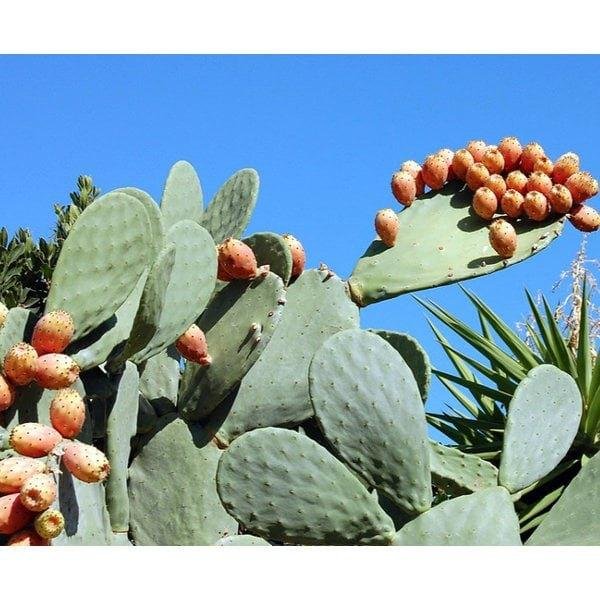
Fruit bushes are a system accelerator
In the coastal desert, fruit bushes shouldn't be placed at the very front of the project. Their best location is in a sheltered area with reduced wind and salt exposure, partial shade, mulch, and drip irrigation.
Shrubs grow faster than trees, require less water, create a microclimate, and protect the roots of larger plants. Therefore, they can accelerate the development of a site by 2-3 times if introduced after the basic protection of sand and soil.
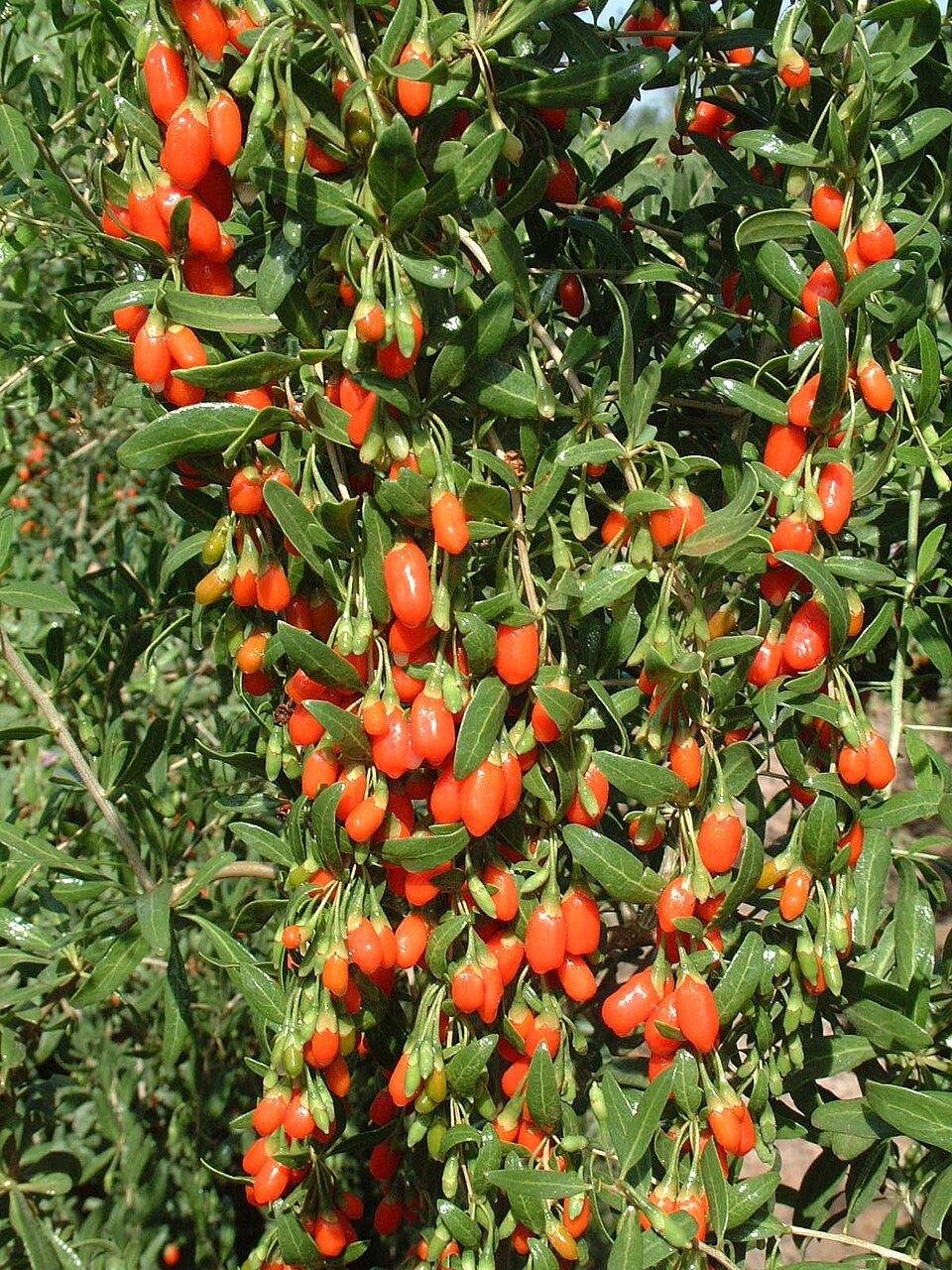
Lycium is suitable for a productive shrub line with moderate protection.
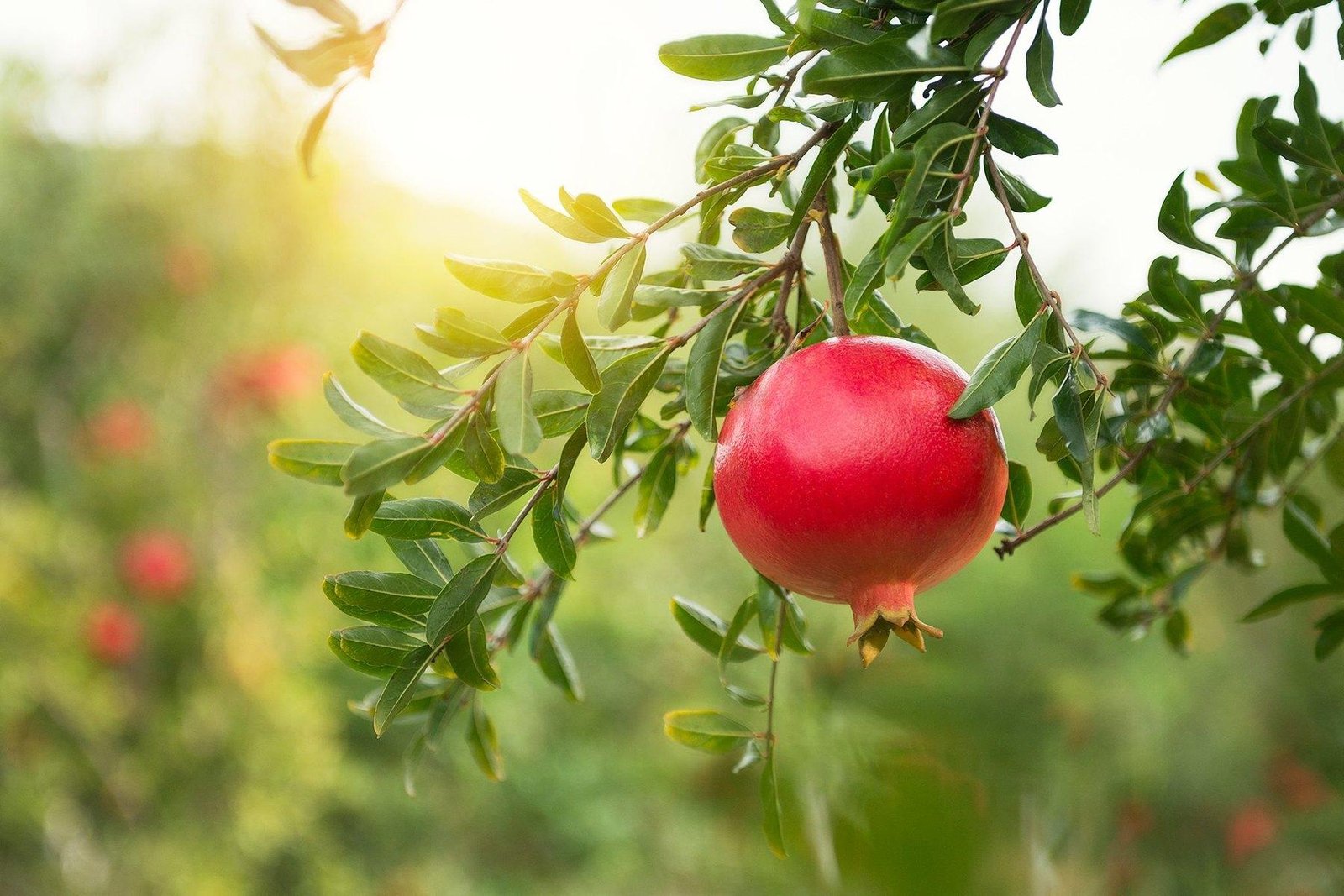
Bush pomegranate is appropriate in the second line, where there is already irrigation and reduced salinity.
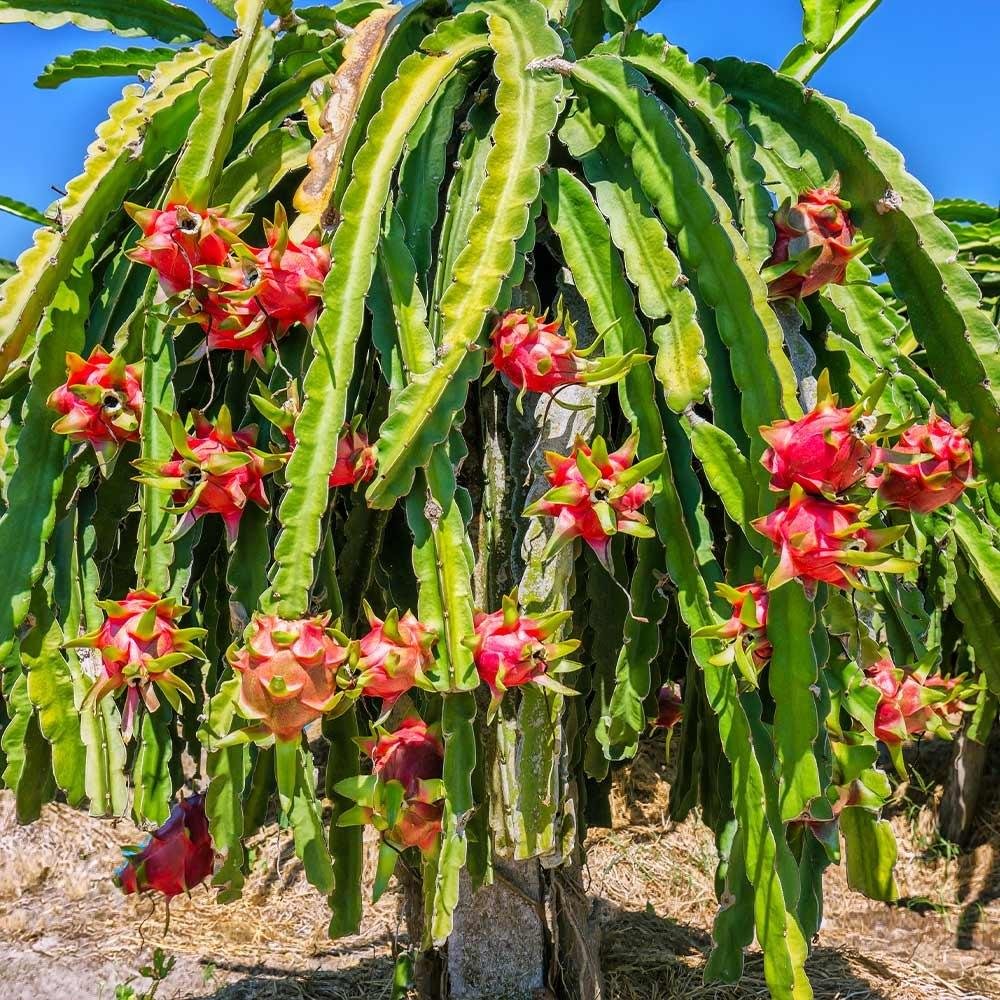
Dragon fruit is an experimental crop and requires support, protection and water.
Level 1 - Basics
These species can be considered first: they are the most resistant to heat, water deficiency and difficult soil.
| View | Latin name | Water | Salt | Shadow | Comment |
|---|---|---|---|---|---|
| Prickly pear | Opuntia ficus-indica | very low | high | yes | food, water and strategic resource for the dry zone |
| Capers | Spiny caper | very low | high | yes | grow on poor soils and are useful as a food and protective layer |
| Goji | Lycia barbara | low | average | yes | a stable fruit bush for protected rows |
| Desert goji | Lycium shawii | very low | high | yes | desert option for dry areas |
| Bushy jujube | Ziziphus lotus | very low | average | yes | barrier, fruit and soil protection |
Level 2 - Water-resistant
These crops are suitable for the second line, where there is already partial irrigation and protection from the wind.
| View | Latin name | Water | Salt | Shadow | Comment |
|---|---|---|---|---|---|
| Bush pomegranate | Dwarf pomegranate | low | average | yes | compact productive form |
| Bush fig | Fig tree | low | average | yes | easily formed as a bush |
| Bush mulberry | Mulberry spp. | low | low | yes | grows quickly but requires a less saline area |
| Feijoa | Acca sellowiana | average | average | yes | a good option for a protected area |
| Aronia | Aronia melanocarpa | average | low | yes | only with protection and moisture control |
| Bush guava | Psidium guajava | average | low | yes | adaptable in stable water |
Level 3 - Requires systems
These crops can only thrive within an already functioning microclimate: shade, drip irrigation, mulch, protection from salt, and regular care.
| View | Latin name | Water | Salt | Shadow | Comment |
|---|---|---|---|---|---|
| Passion fruit | Passionflower | average | low | yes | liana for supports and demonstration areas |
| Blackberry | Rubus fruticosus | average | low | yes | requires care and a protected wet area |
| Raspberry | Rubus idaeus | average | low | yes | more difficult for the coastal desert |
| Blueberry | Vaccinium spp. | high | low | yes | Requires acidic soil, not a base crop |
| Gooseberry | Ribes uva-crispa | average | low | yes | possible only with protection |
Level 4 – Exotics and Experiments
These species may be interesting for the experimental area, but should not be the mainstay of the pilot.
| View | Latin name | Water | Salt | Shadow | Comment |
|---|---|---|---|---|---|
| Dragon fruit | Hylocereus spp. | low | average | yes | promising in support and defense |
| Physalis | Physalis peruviana | average | low | yes | grows quickly, suitable for testing |
| Tamarillo | Solanum beet | average | low | yes | requires protection from heat and wind |
| Carissa | Carissa macrocarpa | low | high | yes | very promising for the coast |
| Murray | Murraya koenigii | average | low | yes | spices, protected area only |
Additional layer
| View | Latin name | Role |
|---|---|---|
| Aloe | Aloe vera | medicine, moisture retention, succulent layer |
| Agave | Agave spp. | water-saving layer and surface protection |
| Capers | Spiny caper | food, sustainability, working on poor soils |
| Prickly pear | Opuntia | a strategic resource for food, fodder and a dry microclimate |
How to use shrubs
| 1 line Salt-tolerant shrubs, soil protection, sand fixation. | 2 line fruit bushes: prickly pear, caper, Lycium, bush pomegranate. | 3 line fruit trees and more sensitive crops. |
|---|
The minimum working set: Opuntia + Capparis + Lycium + Punica + Passiflora. It provides food, protection, and stability if planted within an already functioning system.
Conclusion: If you plant only trees, the system will be weak. Adding shrubs will more quickly create shade, moisture, and productivity.
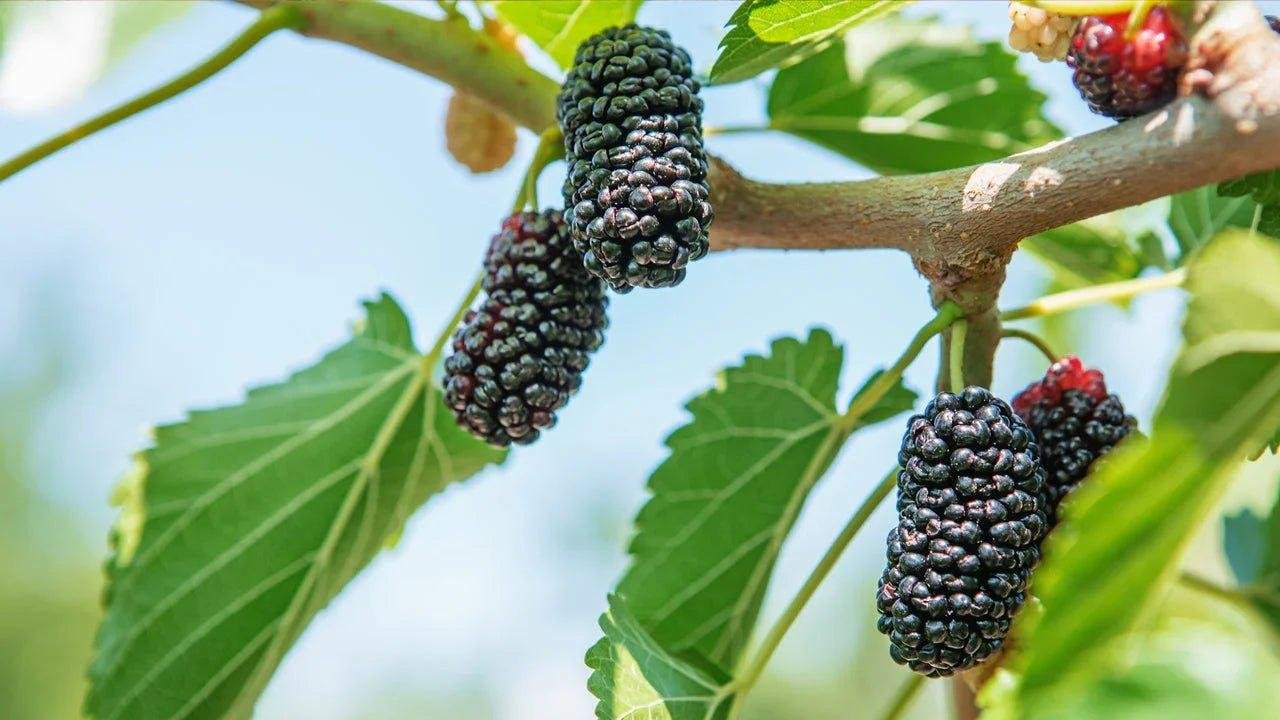
Mulberry can act as a fast fruiting layer in a less salty, sheltered area.
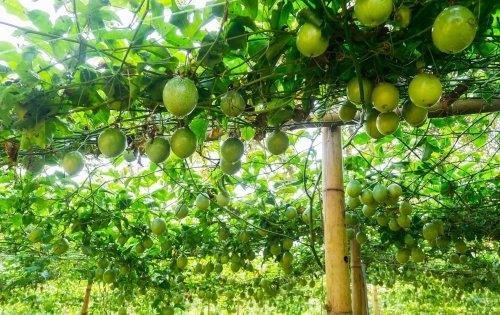
Passion fruit is only suitable for growing within a prepared microclimate: support, shade, water and protection from the wind.
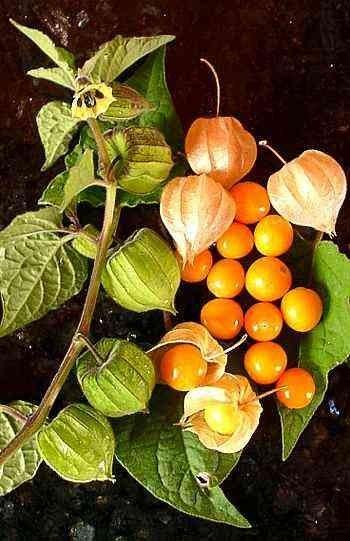
Physalis yields quickly but remains a crop for the experimental protected area.