Unified table of herbs: soil-forming → forage → edible
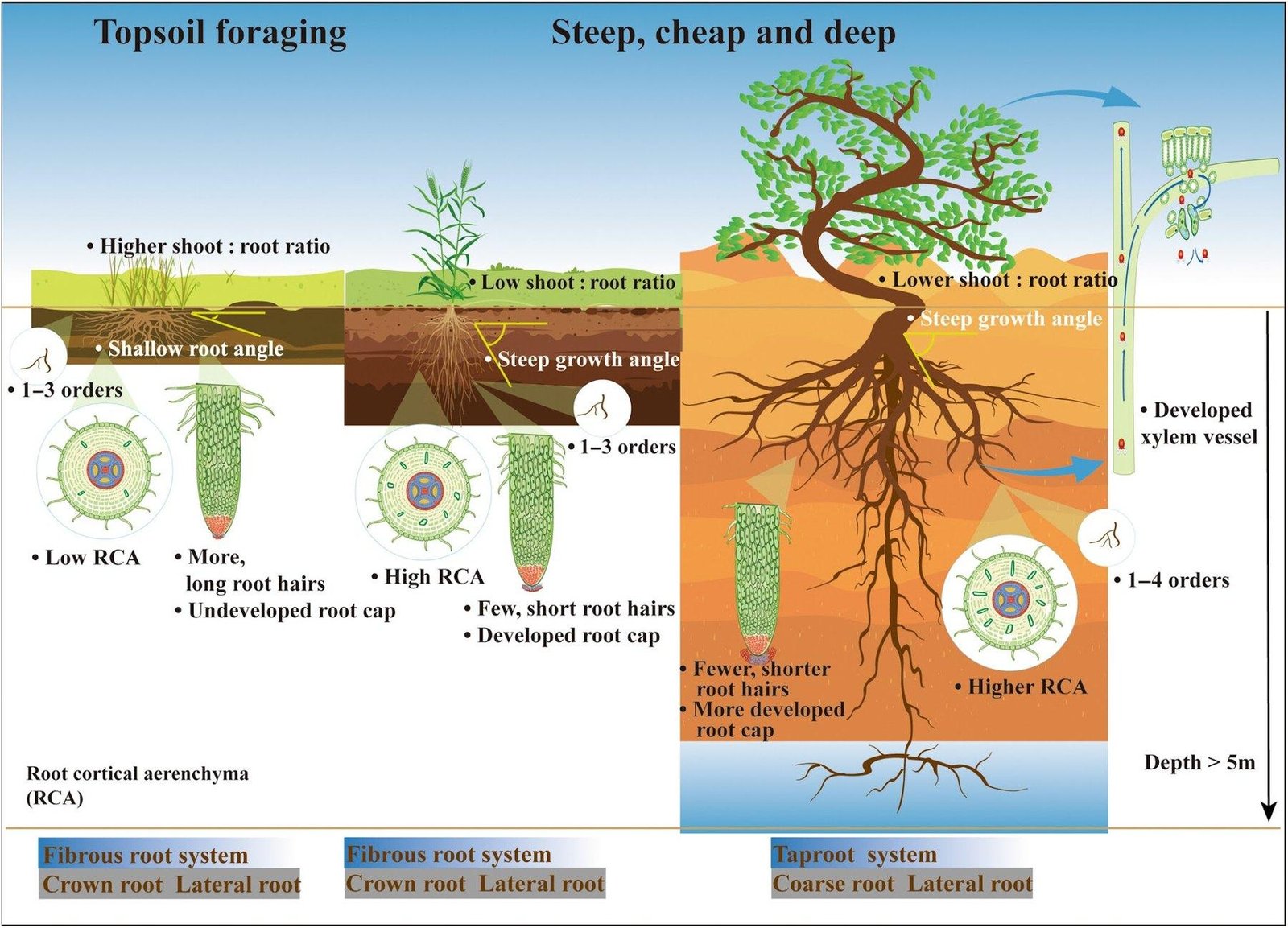
In this article, the grass layer is considered as a system: first roots and sand fixation, then nitrogen and biomass, then feed and only after that limited edible crops.
Article by DREVO
First the roots, then the harvest
For a coastal desert, it's important not just to select "useful grasses," but to arrange them correctly according to their functions. Initially, the grass should act as an engineering layer: fixing the sand, reducing evaporation, providing organic matter, and promoting microbial life.
Edible and forage species appear not in place of soil-forming plants, but rather on top of an already prepared base. Therefore, the main principle of this table is: soil → nitrogen → cover → food.
Three functional layers
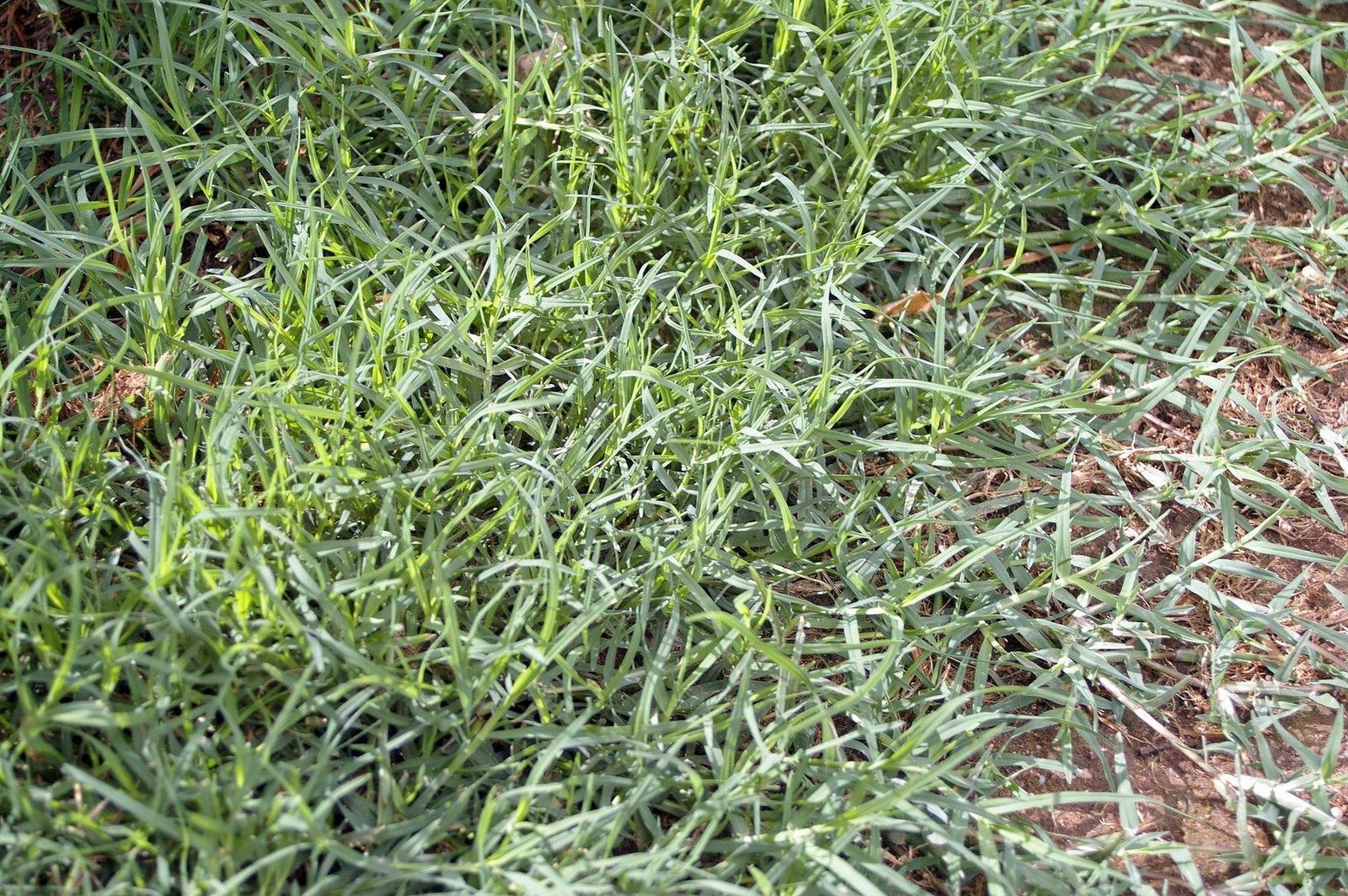
Soil-forming layer: dense cover and fixation of sand
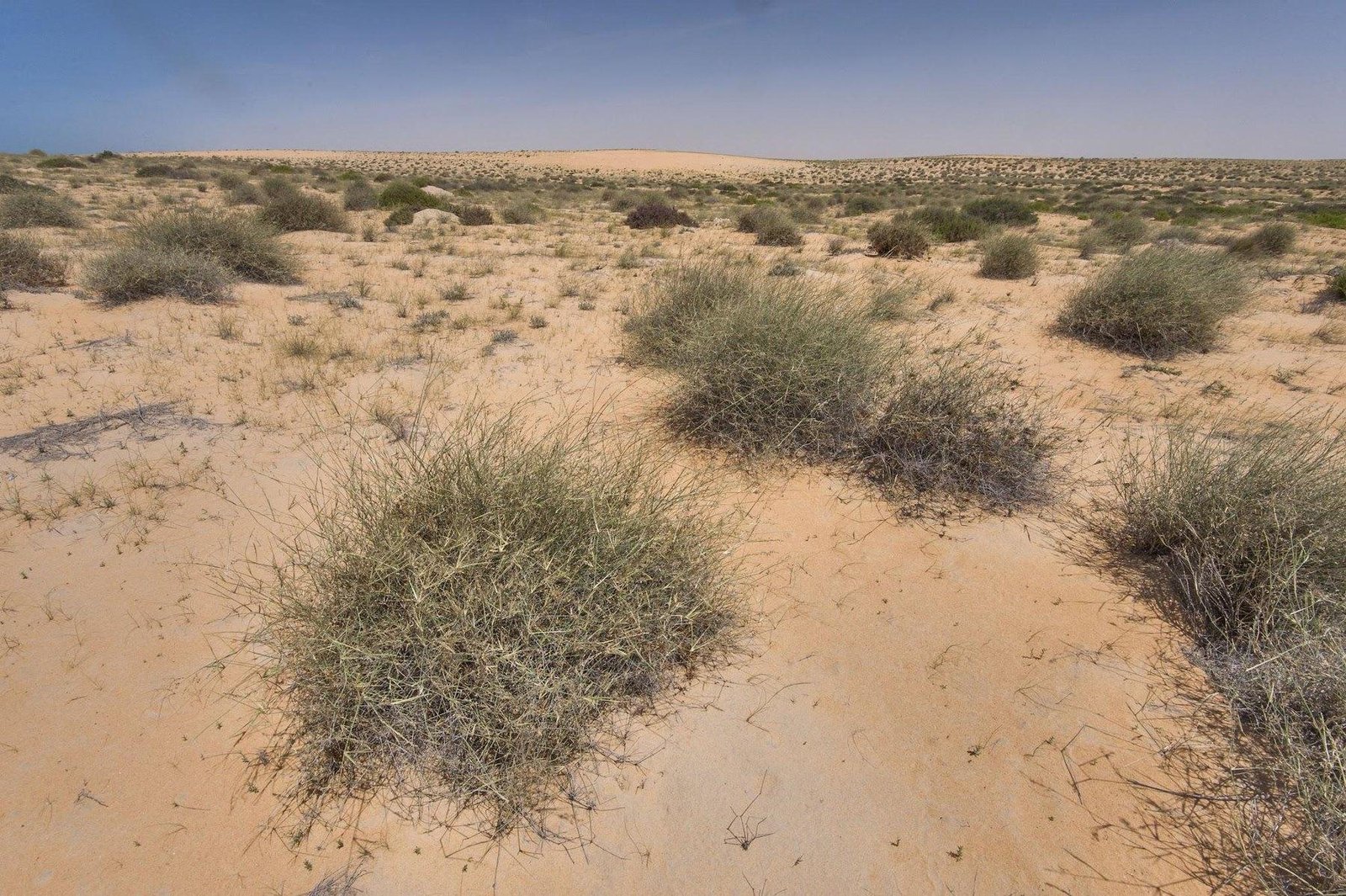
Forage layer: biomass and stable cereals after site stabilization
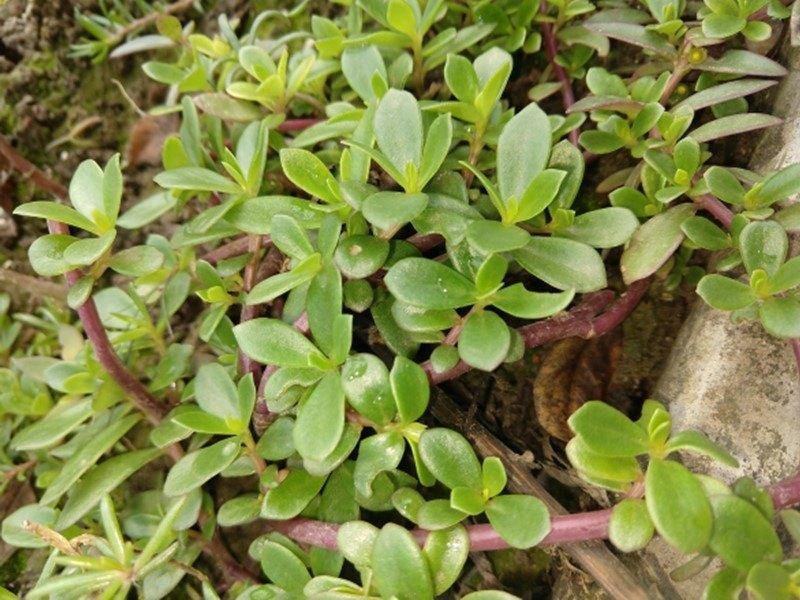
Edible layer: greens and cover crops only in the protected area
Unified table of species
The table lists soil-forming, nitrogen-fixing, forage, and edible grasses. Water, salt, and root type determine where each species can be used: in open sand, in a protected area, near water, or only in a demonstration plot.
| View | Latin name | Water | Salt | Roots | Type | Main function |
|---|---|---|---|---|---|---|
| Bermuda grass | Cynodon dactylon | very low | high | dense | soil-forming | sand fixation |
| Eluropus | Aeluropus littoralis | very low | very high | dense | soil-forming | saline soils |
| Sporobolus | Sporobolus spicatus | very low | high | deep | soil-forming | sands |
| Panics | Panicum turgidum | very low | average | deep | soil-forming | dunes |
| Laziurus | Lasiurus scindicus | very low | average | deep | soil-forming | desert |
| Paspalum | Paspalum sheathed | low | very high | dense | soil-forming | shore |
| Stipagrostis | Stipagrostis spp. | very low | average | deep | soil-forming | fixation |
| Aristide | Aristida spp. | very low | average | deep | soil-forming | desert |
| Cenchrus | Cenchrus ciliaris | low | average | deep | soil-forming | structure |
| Vetiver | Chrysopogon zizanioides | low | average | very deep | soil-forming | deep structure |
| Alfalfa | Medicago sativa | average | low | deep | nitrogen-fixing | soil improvement |
| Clover | Clover spp. | average | low | average | nitrogen-fixing | humus |
| Vika | Vicia spp. | average | low | average | nitrogen-fixing | soil |
| Donnik | Melilotus spp. | low | average | deep | nitrogen-fixing | drought |
| Sesbania | Sesbania spp. | average | average | average | nitrogen-fixing | biomass |
| Sorghum | Sorghum bicolor | low | average | deep | stern | biomass |
| Millet | Pennisetum glaucus | low | average | average | stern | feed |
| Ryegrass | Perennial ryegrass | average | low | dense | stern | cover |
| Fescue | Reed fescue | average | average | dense | stern | soil |
| Dactyl | Dactylis glomerata | average | low | average | stern | feed |
| Purslane | Purslane | very low | average | superficial | edible | moisture retention |
| Mesembryanthemum | Mesembryanthemum spp. | very low | high | superficial | edible | salt |
| Carpobrotus | Edible Carpobrotus | very low | high | dense | edible | cover |
| Sesuvium | Sesuvium purslane | very low | very high | dense | edible | salt zones |
| Zygophyllum | Zygophyllum spp. | very low | high | superficial | soil-forming | desert |
| Amaranth | Amaranthus spp. | low | average | average | edible | green |
| Spinach | Spinacia oleracea | average | low | superficial | edible | leaves |
| Coriander | Coriander | average | low | superficial | edible | spices |
| Basil | Ocimum basilicum | average | low | superficial | edible | spices |
| Parsley | Crisp parsley | average | low | superficial | edible | green |
| Mint | Mentha spp. | average | low | superficial | edible | wet areas |
| Oregano | Common oregano | low | low | superficial | edible | aroma |
| Thyme | Thymus spp. | very low | low | superficial | edible | soil |
| Arugula | Red caterpillar | average | low | superficial | edible | green |
| Dill | Anethum graveolens | average | low | superficial | edible | spices |
| Fennel | Common fennel | average | low | deep | edible | spices |
| Chia | Spanish sage | average | low | average | edible | seeds |
| Swan | Chenopodium quinoa | low | average | average | edible | grain |
| Moringa (leaves) | Moringa oleifera | low | low | deep | edible | superfood |
How to use the table
| 1. Soil Cynodon, Aeluropus and Vetiver fix the sand and create a root framework. | 2. Nitrogen Medicago and Trifolium add biomass, humus and microbiological support. | 3. Cover Portulaca and Carpobrotus cover the surface, retain moisture and reduce overheating. | 4. Food Amaranthus and green herbs are introduced only in a protected area with water control. |
|---|
Minimum starter kit
To get started, a simple mix is all you need: Cynodon + Aeluropus + Medicago + Portulaca + Vetiver. This mix is capable of fixing the sand, starting to form the soil, providing organic matter, and preparing the area for the next layer of planting.
Conclusion
Grasses can contribute up to half of a project's success because they are the first to transform inert sand into a working surface. Trees only become stable once they have roots, a canopy, organic matter, and retained moisture underneath.