DREVO: An oasis from the air
The Western Sahara model is not built as a simple tree planting, but as an engineered ecological system: first, it captures moisture, reduces wind, retains water in the soil, and only then initiates sustainable life.
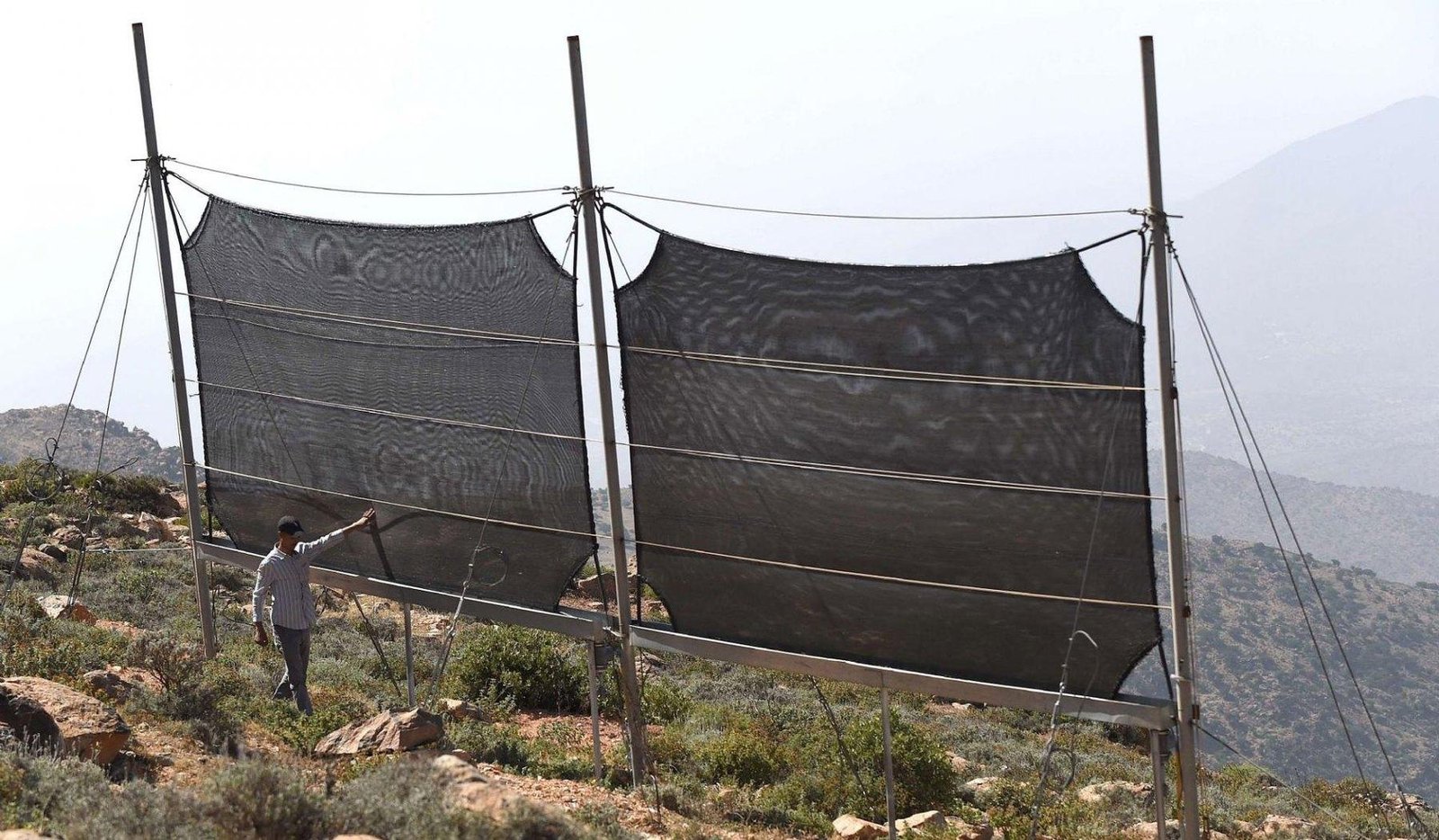
The essence of the model
First water and microclimate, then plants
The project's goal isn't to plant plants directly in the desert. In the open coastal zone, such a planting would quickly lose moisture, and wind and salt would destroy the fragile system. Therefore, DREVO starts with the conditions: fog, surface, protection, soil, then pioneer species, and only then the production layer.
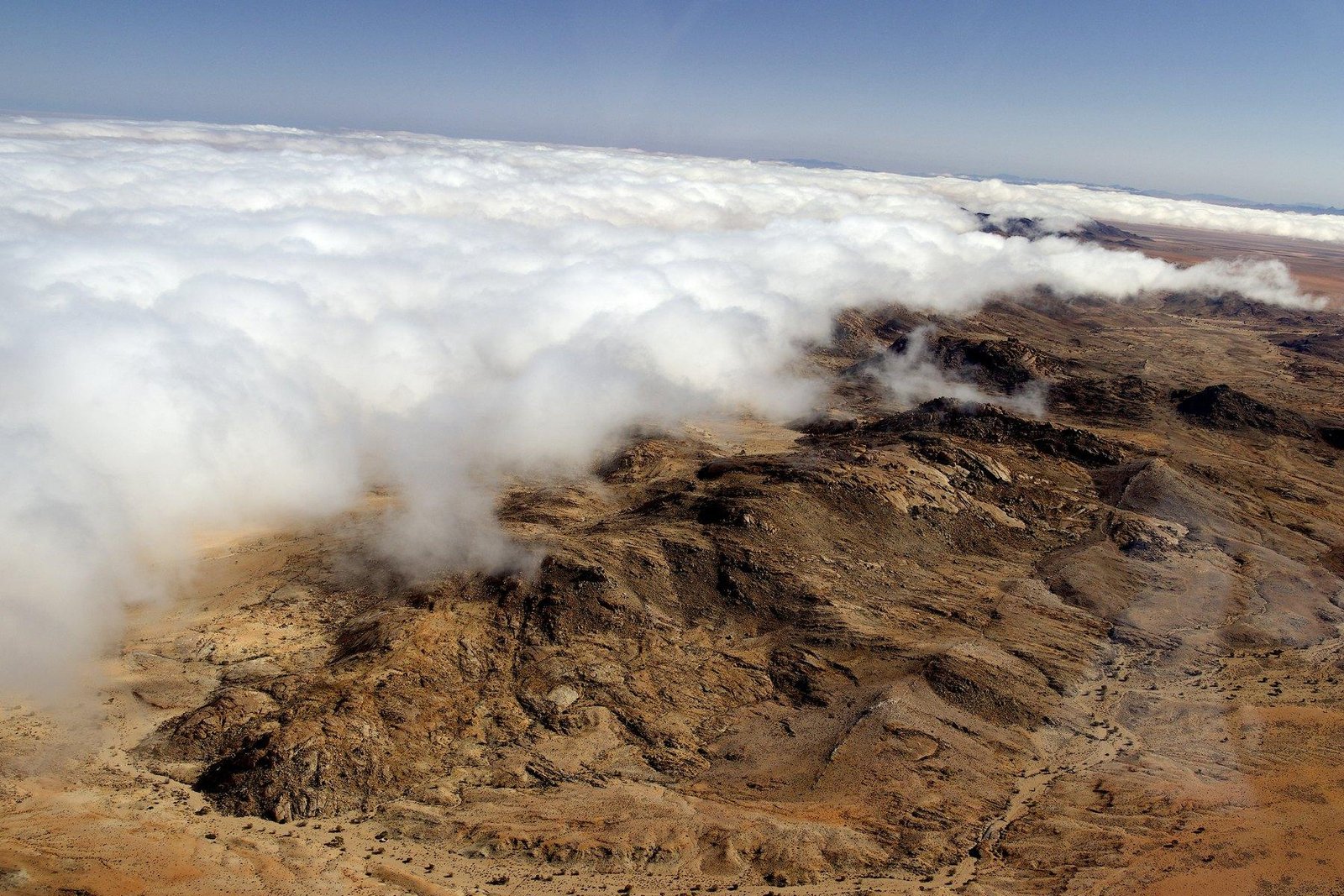
The fog shows that water is already in the air; the project's goal is to trap it on the surface.
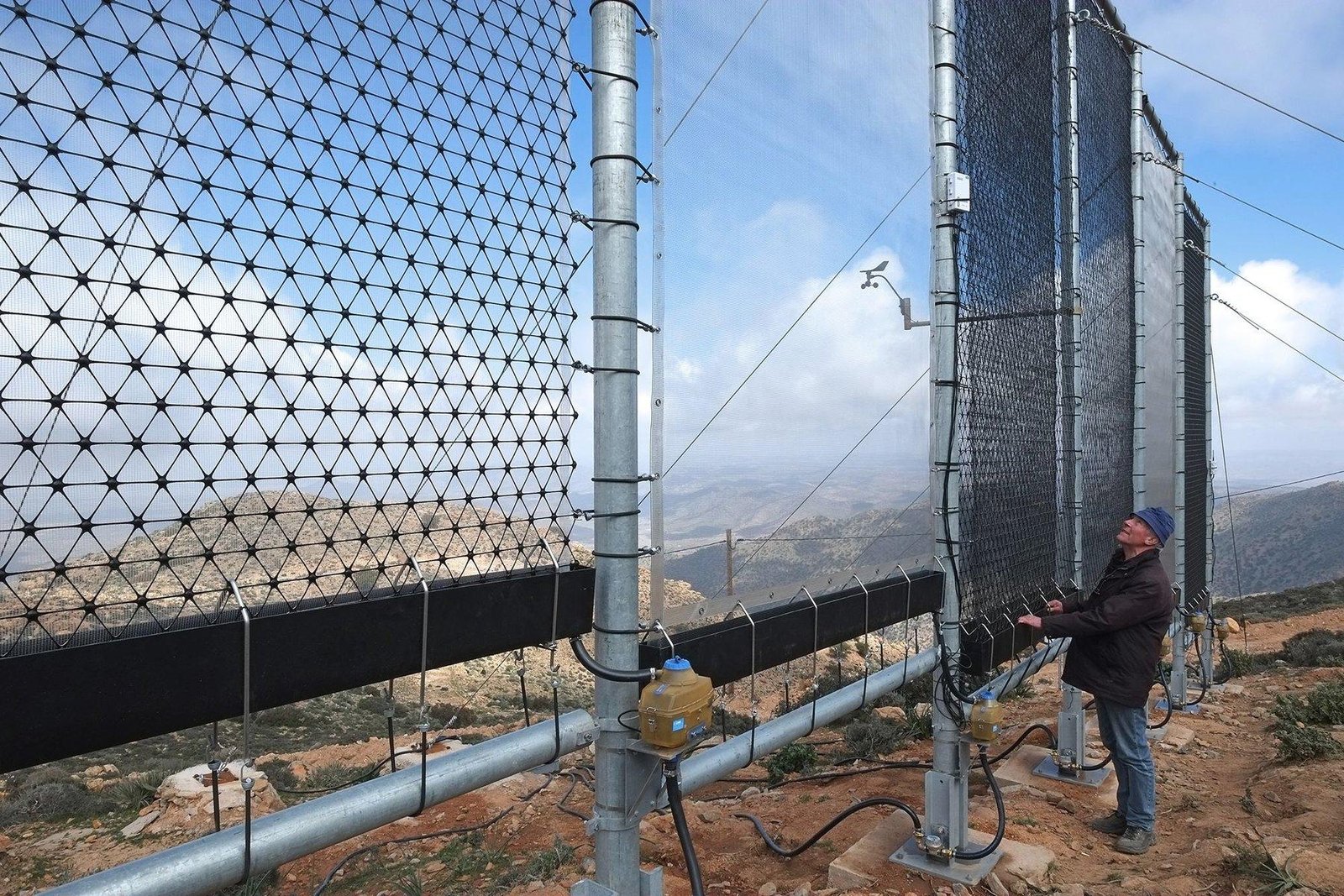
Mist eliminators transform the wet stream into droplets and provide the first controlled water.
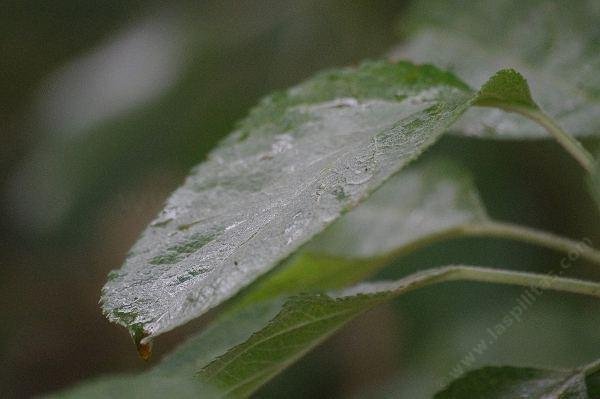
The surfaces of plants and nets act as natural condensation points.
Five Steps to Launching an Oasis
| Step | What is being done? | Result |
|---|---|---|
| 1. I'm chasing moisture | fog nets, vertical structures, stones and rough surfaces are installed | a controlled source of drip moisture appears |
| 2. We set up living barriers | tamarisk, acacia and ephedra are planted in sparse rows against the wind | the wind slows down, sand and salt penetrate less |
| 3. Building the soil | Stones, mulch, micro-holes, zai-pits and organic matter retain night dew | water does not disappear immediately after condensation |
| 4. Add the second layer | Calotropis, shrubs and herbs provide shade and protected moisture | a stable microclimate appears |
| 5. Create water points | small depressions, closed tanks and local water supply | the system begins to support plantings between periods of fog |
How the system works together
Each element is weak on its own. The mesh provides a little water, the tree provides a little shade, the rocks retain a little dew. But together, they form a chain, with each layer strengthening the next. That's why the project should be assembled as a system, not as a collection of individual plantings.
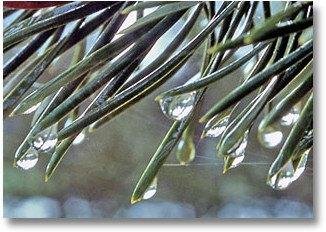
Leaves and rough surfaces help trap droplets before they reach the soil.
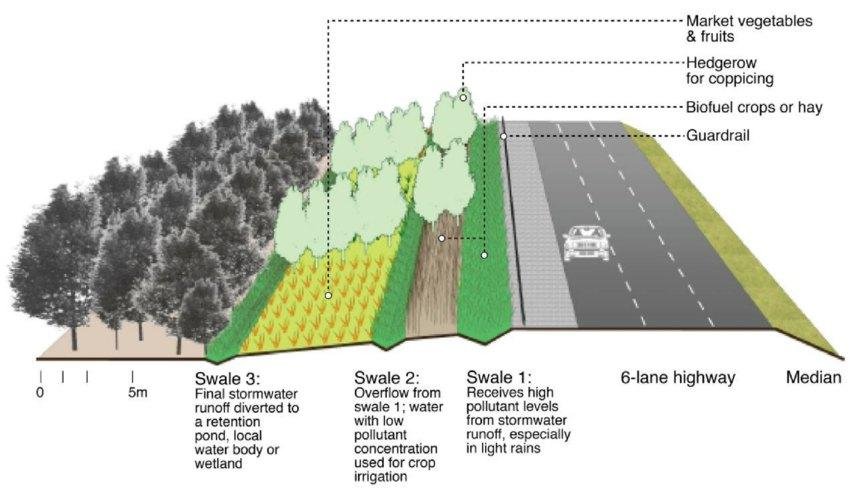
Swales and microrelief transform water from a random event into a manageable resource.
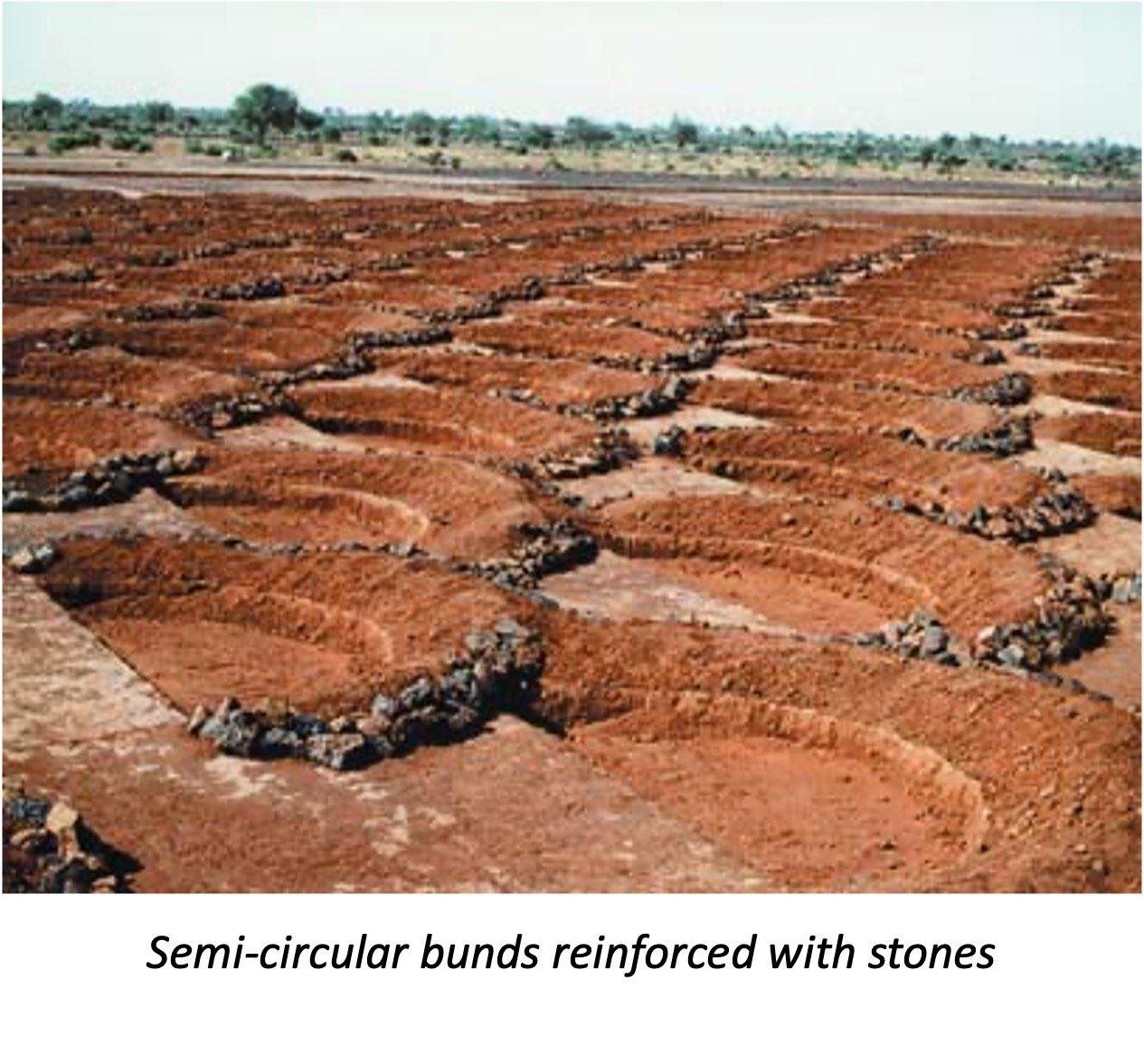
The banks and contour lines slow down surface runoff and protect young soil.
Architecture of space
The simple spatial logic is as follows: the wind passes through the fog collectors, then through the living barrier, then through the shrub-grass layer, and only then enters the central zone. Within this protected core, rest areas, a tea station, observation, a nursery, or a small service module can be located.
| Zone | Role |
|---|---|
| Outer edge | accepts wind, salt and sand |
| Grid line | catches fog and reduces flow speed |
| Living barrier | creates shade, roughness and protection |
| Soil layer | retains water, organic matter and microbiology |
| Center | zone of people, nursery and stable microclimate |
Realism without illusions
In the first 6-12 months, the results may look modest: nets, microrelief, mulch, sparse plants, and moisture spots are visible. This is normal. Expecting a quick garden is a mistake. The correct result of the first stage is not beauty, but the initiation of water retention.
| Period | What is important |
|---|---|
| 0-6 months | wind, fog, salt, microrelief and the first water points |
| 6-12 months | sand stabilization, mulch retention, survival of pioneer species |
| 1-3 years | the appearance of dew, shadows, grass spots and the first stable lines |
| After setting | the system begins to strengthen itself due to shade, moisture and soil |
Why is this not just a garden?
In this model, DREVO is bioengineering, ecology, and architecture all rolled into one. The desert already contains moisture in the air and has nighttime cooling cycles. The problem is that the water isn't retained. The project doesn't directly combat the desert, but rather enhances its underlying processes and creates a retention structure.
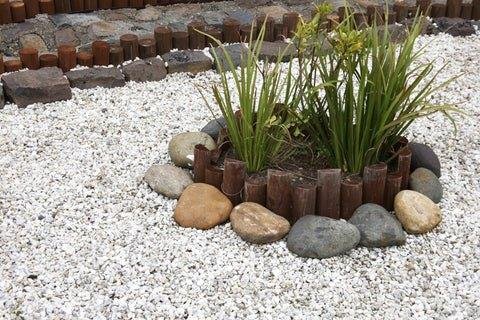
The point of the first stage is to conserve every little bit of water, rather than wasting it as you would in a regular garden.
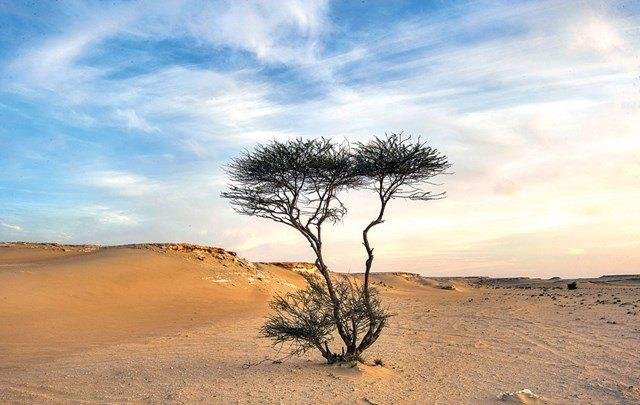
Pioneer trees should act as shade and windbreak infrastructure.
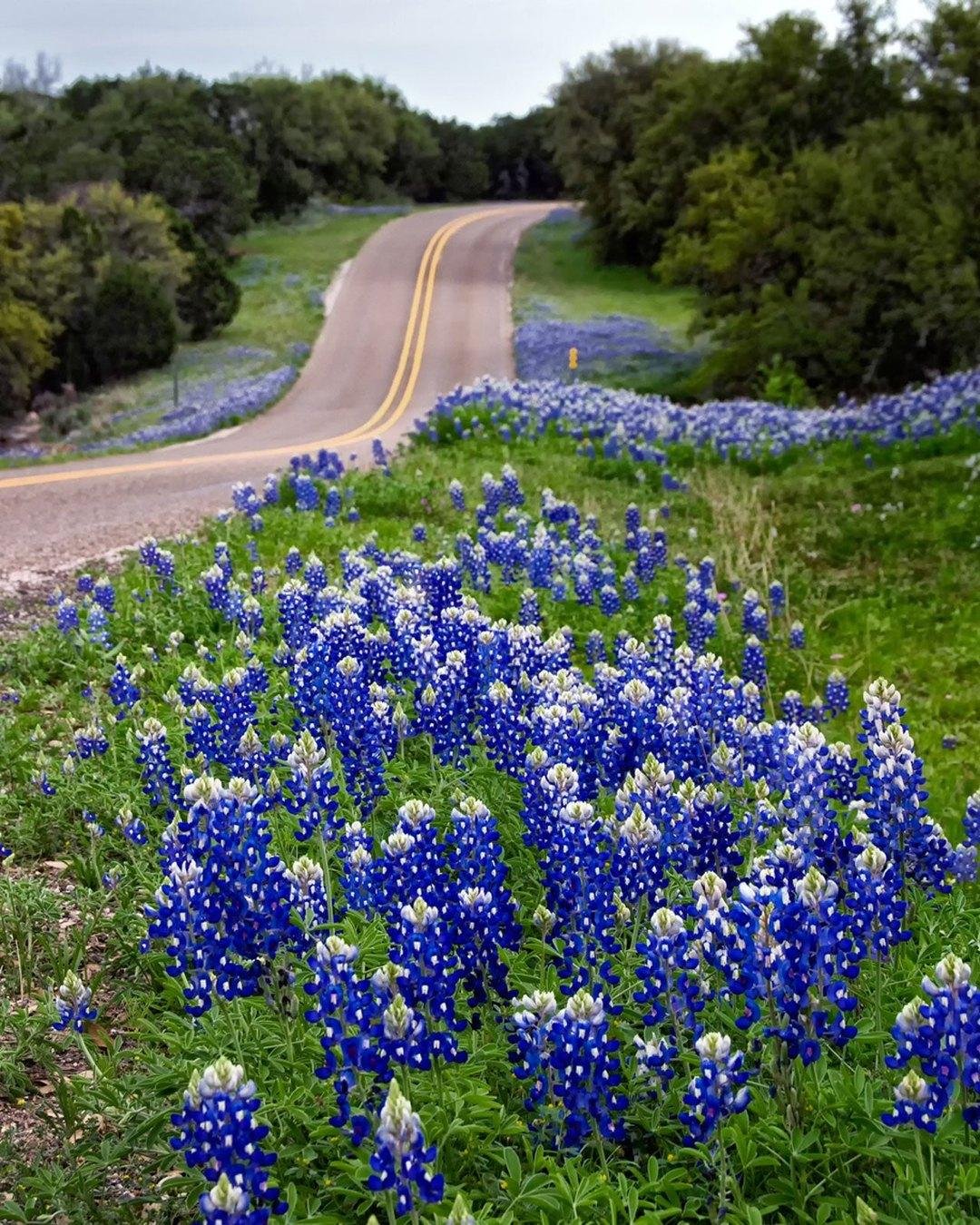
The oasis develops as a protected system, not as a single planting in the open sand.
Conclusion
An oasis from the air is only possible through a sequence: capture moisture, slow the wind, retain water in the soil, create shade, initiate microbiology, and then expand plantings. If this sequence is disrupted, the plants will die. If it is maintained, the system gradually begins to function on its own.