List of algae for mulch and compost
Seaweed can be one of the DREVO project's most powerful local resources: it provides nitrogen, micronutrients, organic matter, and mulch material. For a coastal project, it's especially important to use this resource systematically: collect clean raw materials, control salt levels, and always mix the seaweed with dry organic matter.
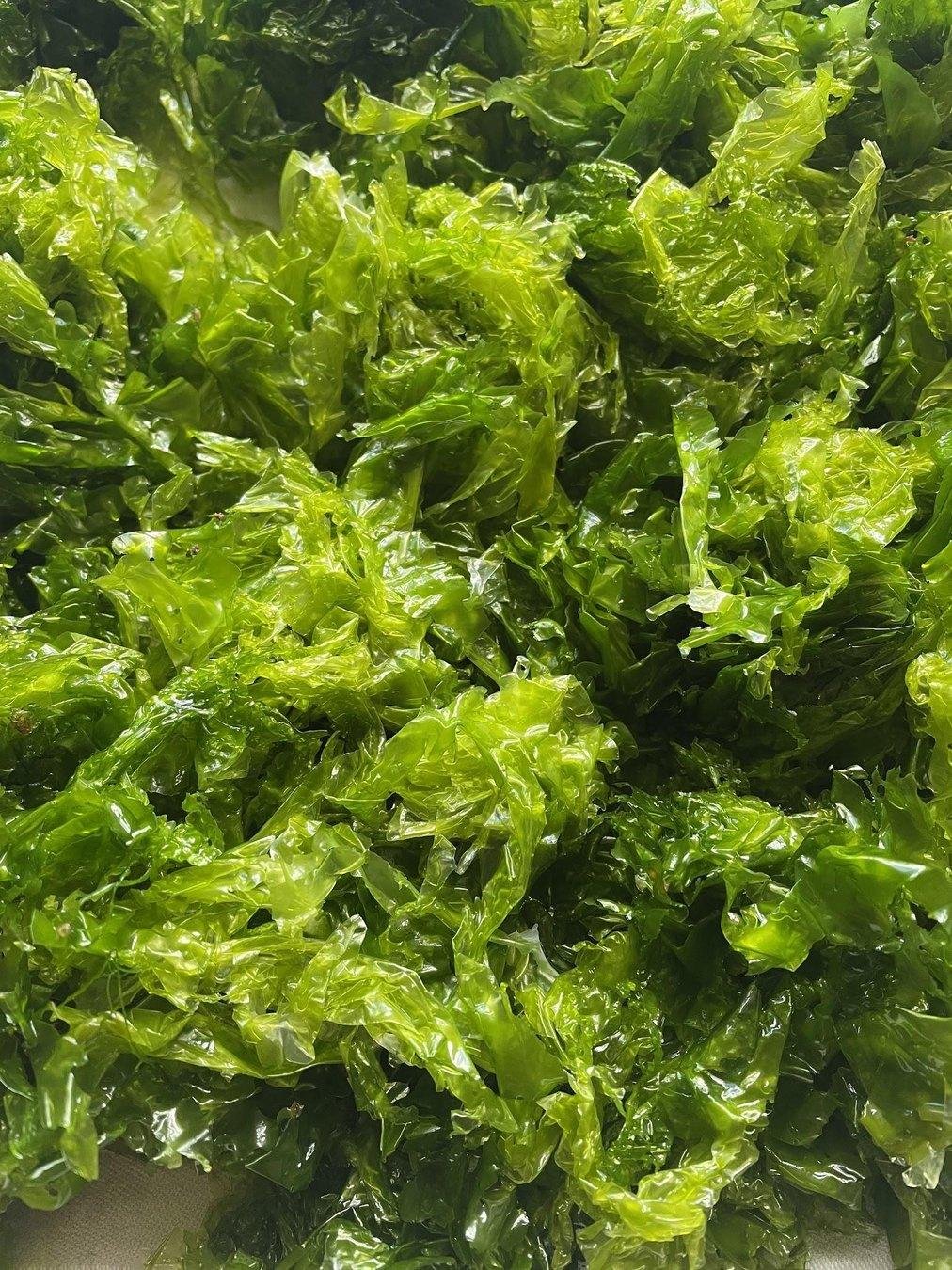
Mulch, compost, soil formation
Basic logic of application
Algae shouldn't be used as a single component. They work best in a mixture: the algae provides nitrogen and minerals, the dry grass and branches provide carbon, and the compost bin retains moisture and promotes microbial growth.
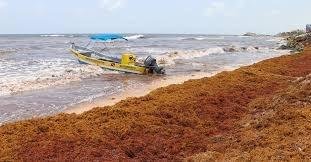
The washed-up seaweed can be used as raw material after the salt has been collected and controlled.
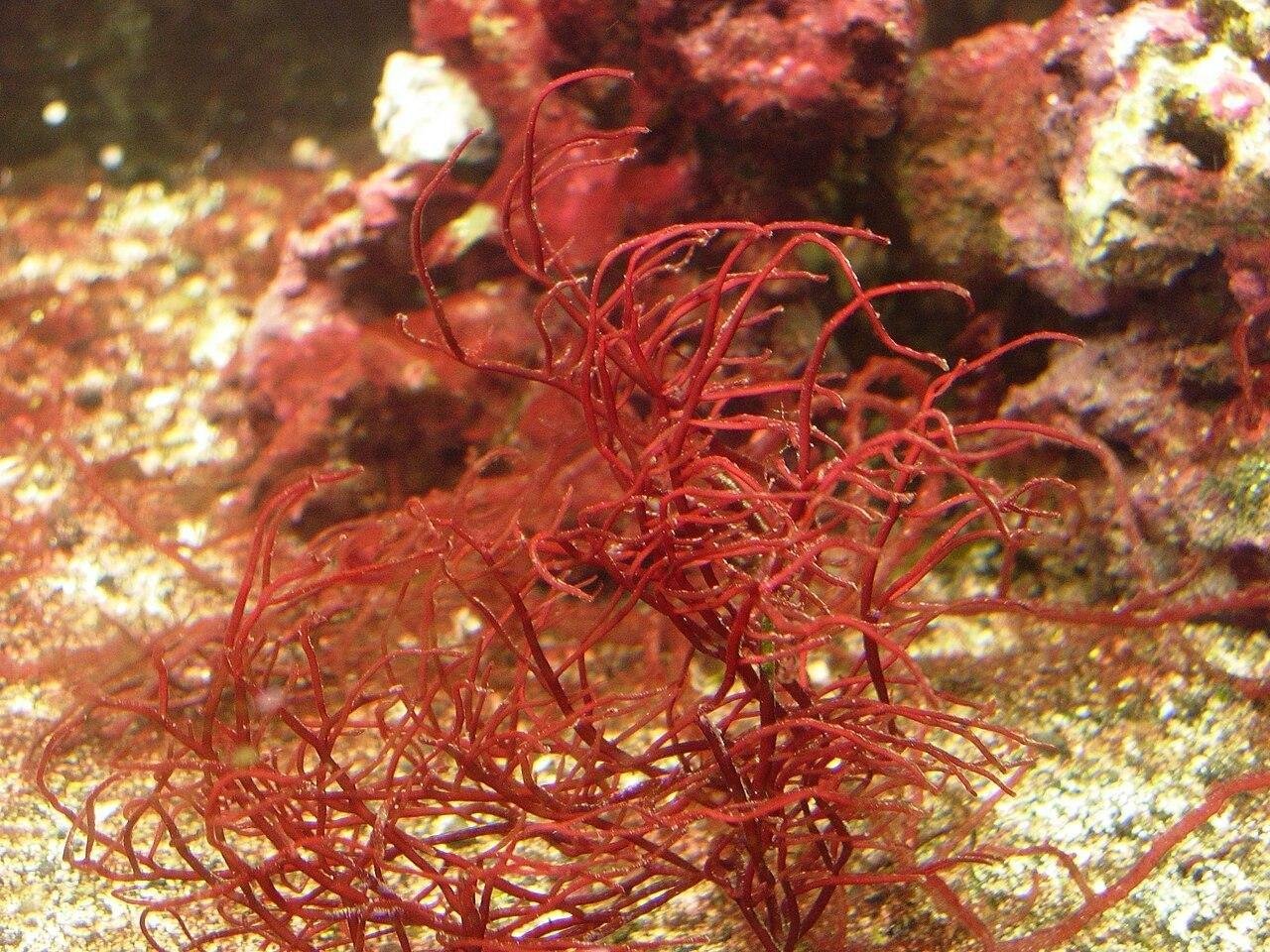
Gracilaria is suitable for organic matter, structure and aquaculture.
The Basics: The Most Important and Accessible
| View | Latin name | Type | Why is it suitable? |
|---|---|---|---|
| Seafood salad | Ulva lettuce | green | decomposes quickly |
| Enteromorpha | Intestinal Ulva | green | a lot of nitrogen |
| Sargassum | Sargassum spp. | brown | lots of minerals |
| Gracilaria | Gracilaria spp. | red | good structure |
| Chaetomorpha | Chaetomorpha spp. | green | compost |
This group is basic: it is easiest to include in compost mixtures, trenches and mulching around seedlings.
Strong fertilizers: the best for soil
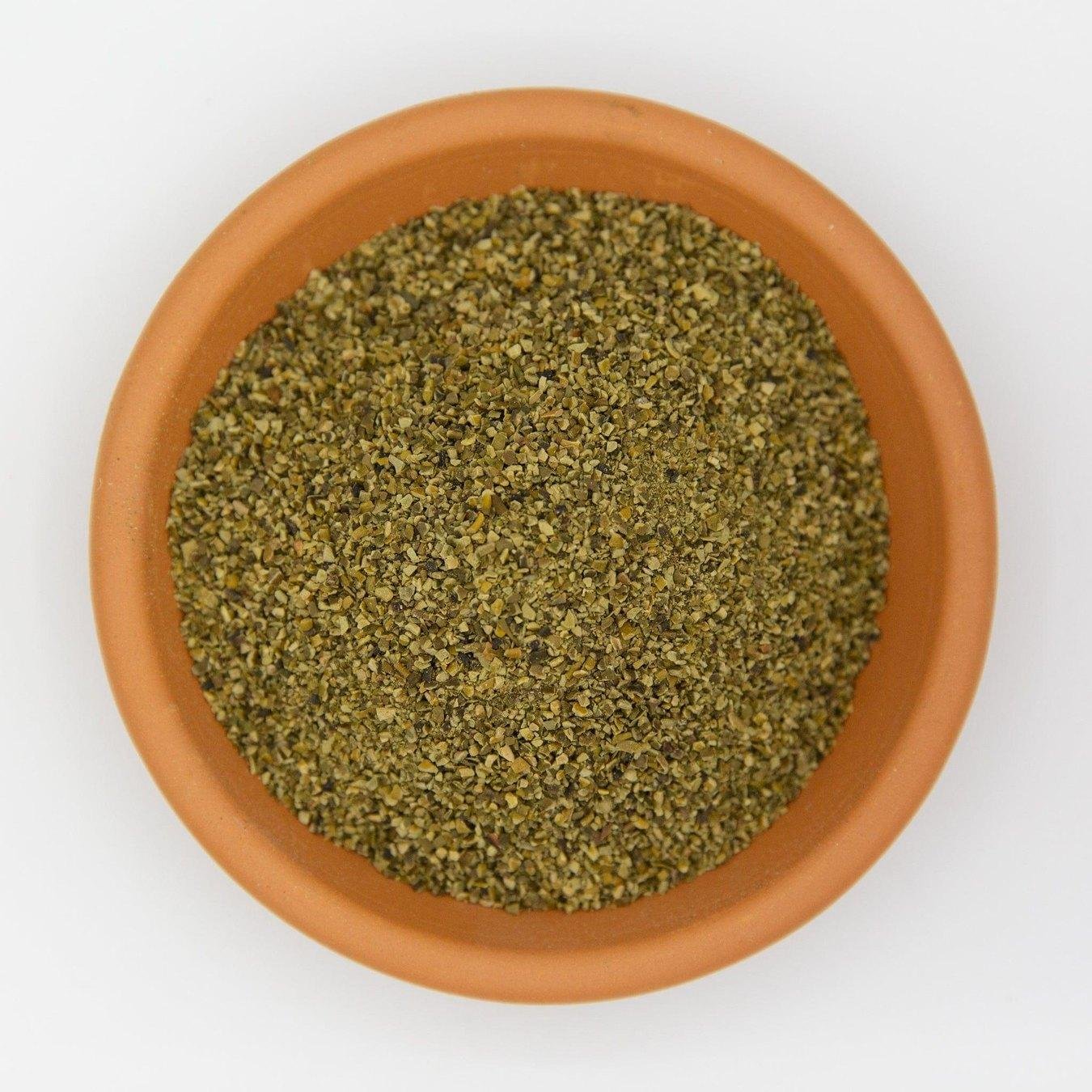
Dried Ascophyllum is valuable as a concentrated mineral supplement.
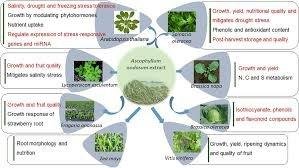
Fucus and Ascophyllum are valuable microelements and support humus formation.
| View | Latin name | Type | Why is it suitable? |
|---|---|---|---|
| Kelp | Laminaria spp. | brown | maximum microelements |
| Fucus | Fucus spp. | brown | humus formation |
| Ascophyllum | Ascophyllum nodosum | brown | growth stimulator |
| Turbinaria | Turbinaria spp. | brown | resistant species for compost mixture |
Additional species for the mixture
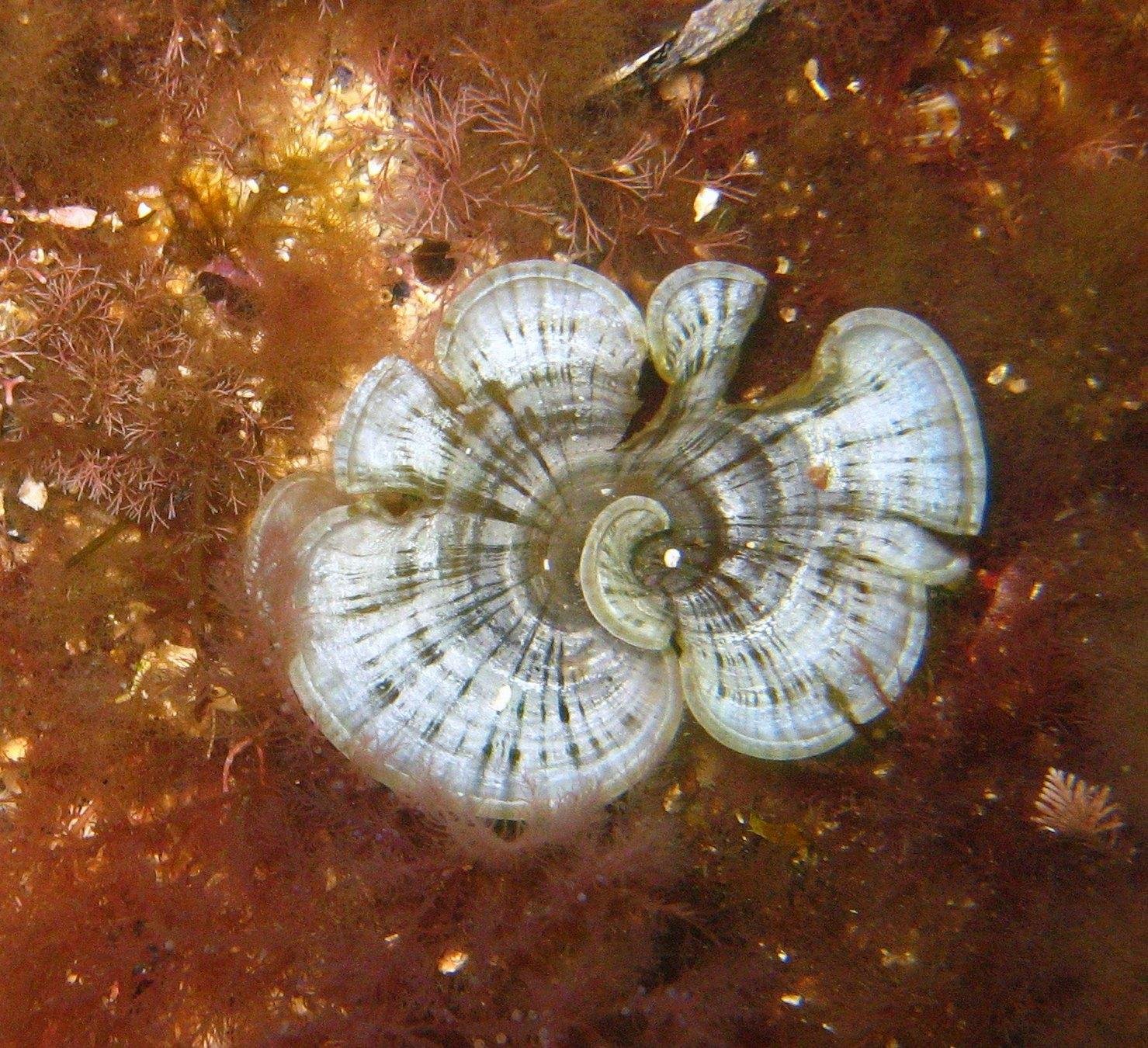
Padina pavonica adds minerals and structure to the compost mix.
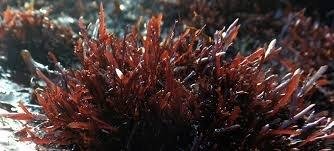
Gelidium is suitable as a structural component for the mixture.
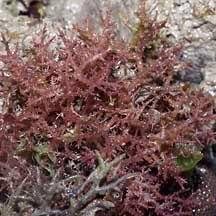
Hypnea can be used as a supplementary red algae for compost.
| View | Latin name | Type | Why is it suitable? |
|---|---|---|---|
| Slope | Padina peacock | brown | minerals |
| Cold | Gelidium spp. | red | structure |
| Hypnea | Hypnea spp. | red | compost |
| Dictyota | Dictyota spp. | brown | additional component |
These species are best viewed as enhancers rather than the bulk of the mixture. Their purpose is to add structure, micronutrients, and organic diversity.
How to use
| In compost mix seaweed as a green mass with dry grass, branches, manure and ready-made compost | How to mulch spread dried material around trees and in trenches without covering the trunks | Into the soil bury in small portions in compost pits and planting areas | As a liquid infusion Ferment the washed seaweed with water for 1-2 weeks and use with caution |
|---|
Important rule: salt
Algae are a source of nitrogen and minerals, but fresh seaweed contains salt. This is critical for a coastal desert: salt cannot be ignored.
lightly dry or rinse the raw materials if there is a lot of salt;
add algae only in mixtures with dry material;
do not use raw materials from contaminated port and urban areas;
start with small portions and monitor the plants' reaction;
For mulch, choose dried and partially washed material.
The best combination
The ideal starting mix for this project is Ulva + Sargassum + Fucus + dried grass. This combination produces fast compost, stronger soil, and a stable foundation for planting.
The honest conclusion: seaweed is one of the most powerful resources for a coastal project, as the ocean is nearby and can provide a regular flow of organic matter. However, this resource only becomes useful if the salt content, the purity of the raw material, and the balance with dry organic matter are controlled.